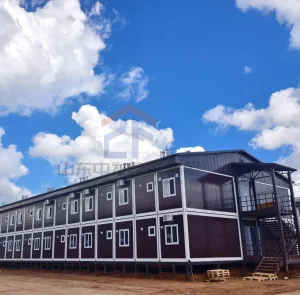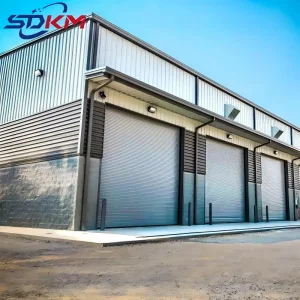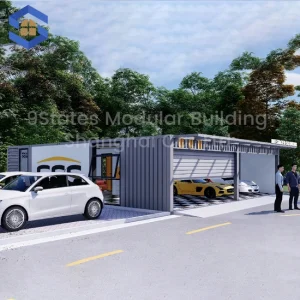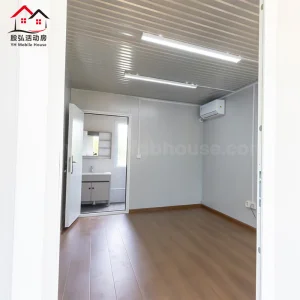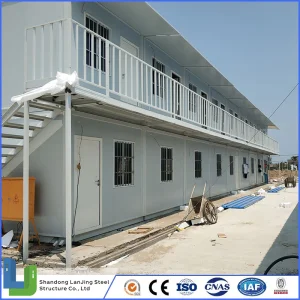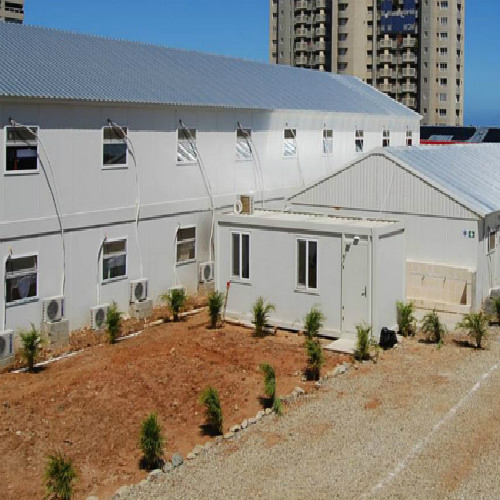
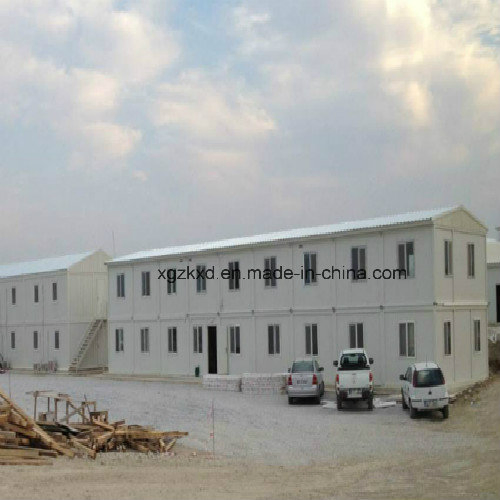
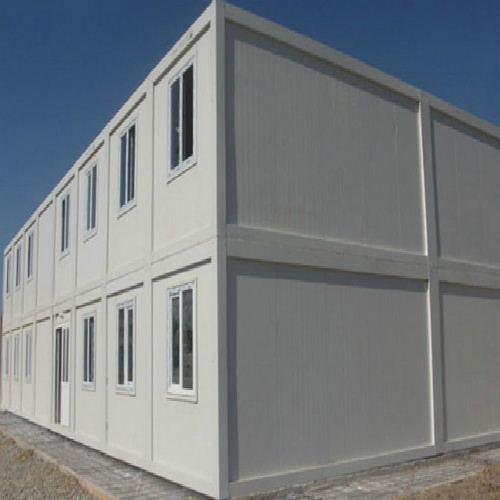
Containerized Modular Building for Temporary Office and Camp Facility

Customization: Available
Application: Office
Material: Steel Structure

Product Description

📋

Basic Specifications

Model NO.
SSB1611
Project Management
Turnkey Solution
Life Cycle
30-Year
Structure Member
Galvanized
Engineering Team
20 Members
Construction Period
60 Days
Usage
Warehouse / Office / Camp
Certification
ISO Standard
Warranty
30 Year Limited Warranty
Production Capacity
2000ton/Per Month
🏗️

Product Overview

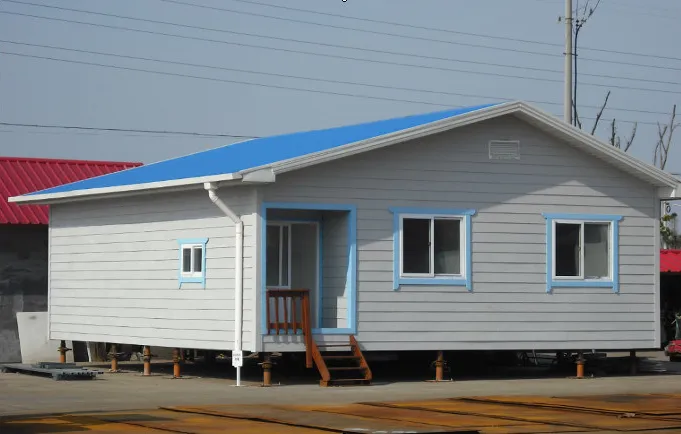
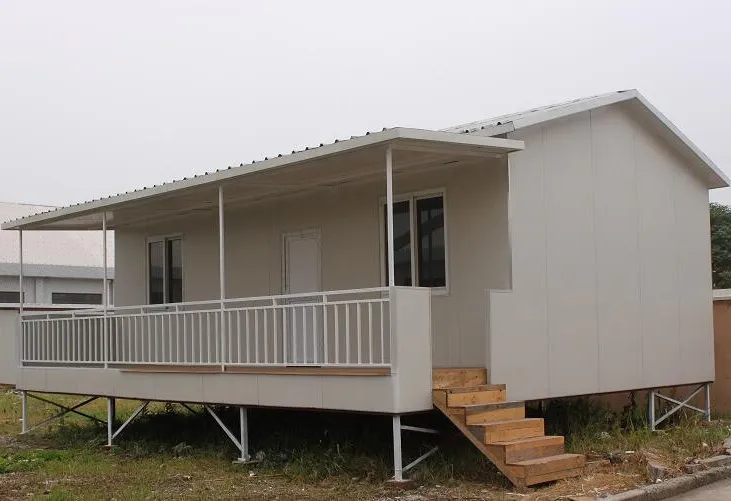
Containerized Modular Building for Temporary Office and Camp solutions utilize single flat pack 20ft container house modules to provide versatile residential and commercial applications. These novelty building forms are engineered for durability and rapid deployment.
Containerized Modular Building

1. Technical Data & Module Standards

  • Standard Dimensions: 20 feet (Optional 10 to 30 feet).
  • External Height: 2,591 mm (Options for 2,791 mm or 3,100 mm).
  • Inner Height: 2,300 mm (Options for 2,500 mm or 2,800 mm).
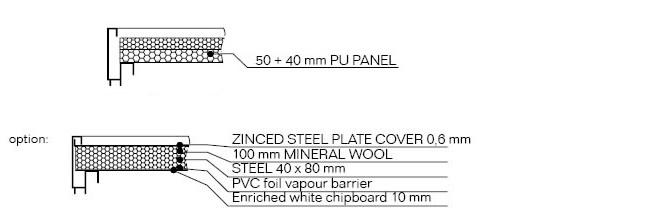
  • Construction: Zinced metal profiles (3 mm) connected with screws.
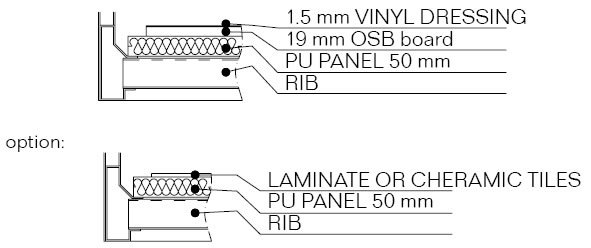
  • Floor Construction: Options with or without forklift pockets (1,506mm distance).
Floor Construction Roof Construction

Thermal Resistance Coefficients

FloorU = 0.37 W / m2k
RoofU = 0.39 W / m2k
Wall PanelsU = 0.41 W / m2k
WindowsU = 2.40 W / m2k
Module Handling

2. Container House Applications

A. Office Containers: Portable units for construction engineers and workers. Flexible, modular construction allows for easy extension or reduction of space. Widely used for kindergartens, schools, clinics, and showrooms.

B. Storage Containers: Produced for specific storage purposes with customized insulation and floor loads (standard 250 kg/m²). Ideal for construction tools or private sheds.

C. Sanitary & Toilet Modules: Self-standing or combined units equipped with PVC windows, thermal insulation, and full sanitary fittings (showers, water tanks, etc.).
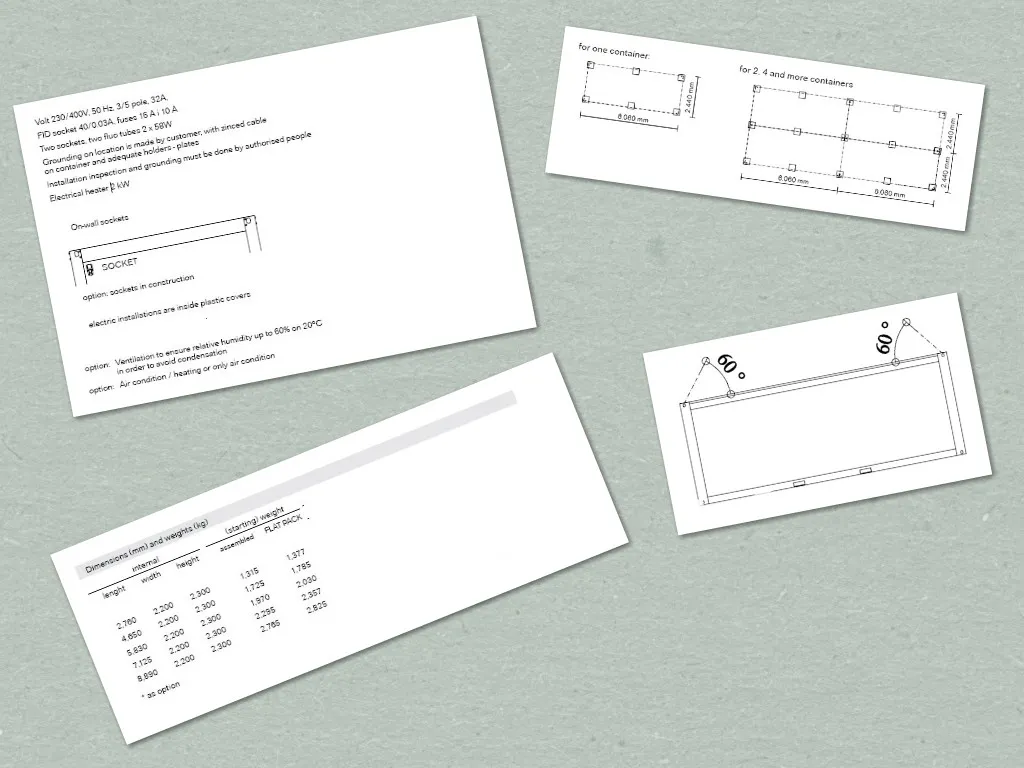
Interior Installation Modular Application Flat Pack View

3. Key Advantages

Faster InstallationSingle Source Responsibility
Lower Overall CostFlexibility in Expansion
Large Clear SpansRigid Quality Control
Low MaintenanceEnergy Efficient Systems
Architectural VersatilityDismountable & Relocatable
Technical Layout
⚙️

Fabrication & Quality Standards

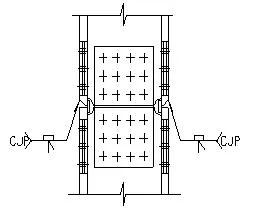
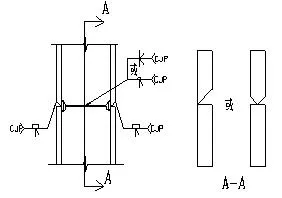
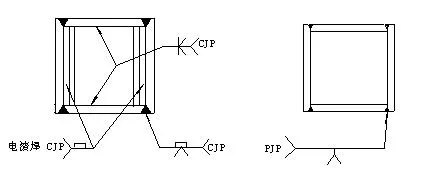
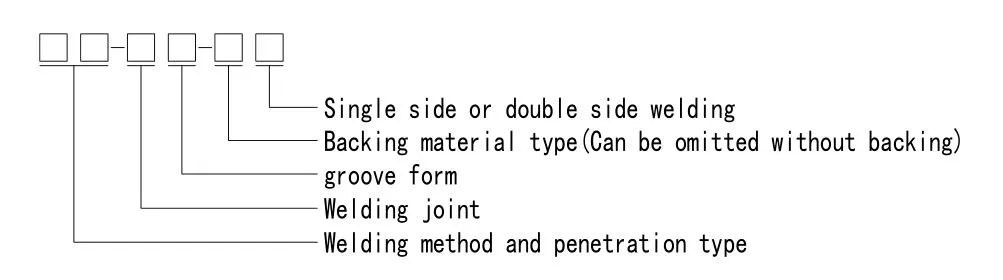
Advanced zinced steel and thermal-insulating materials (polyurethane foam, mineral wool, IPN) are used to ensure the highest structural integrity. All welding processes meet standardized technical requirements for manual arc, CO2, and submerged arc welding.
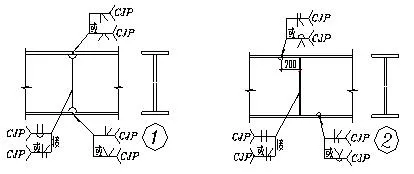
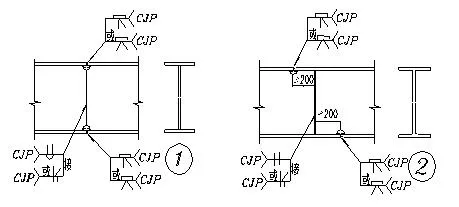
Welding Detail 1 Welding Detail 2
Joint Detail 3 Joint Detail 4 Column Detail
Groove Standard

Frequently Asked Questions

What is the expected life cycle of these modular buildings?
The modular buildings are designed for long-term use with an estimated life cycle of up to 30 years, supported by a 30-year limited warranty on the structure.
How fast can a modular unit be installed on-site?
Flat pack containers are designed for rapid assembly. On average, two people can complete the mounting on location in approximately 45 minutes.
Are the containers energy efficient?
Yes, the units use high-quality thermal insulation like polyurethane foam or mineral wool, achieving low thermal resistance coefficients (U-values around 0.37 to 0.41 W/m²k).
Can the building layout be customized?
Absolutely. The modular system is highly flexible, allowing for personalized layouts, custom dimensions, and various facade finishes such as wood slats or stone imitation.
What are the load-bearing capacities for the roof and floor?
The standard floor load capacity is 250 kg/m² and the roof load capacity is 200 kg/m². These can be further engineered for specific industrial requirements.
How are the units transported to remote locations?
Units are shipped in a "Flat Pack" version, which reduces transport space by up to 4 times compared to standard containers, significantly lowering logistics costs.

Related Products