🔧 Product Description
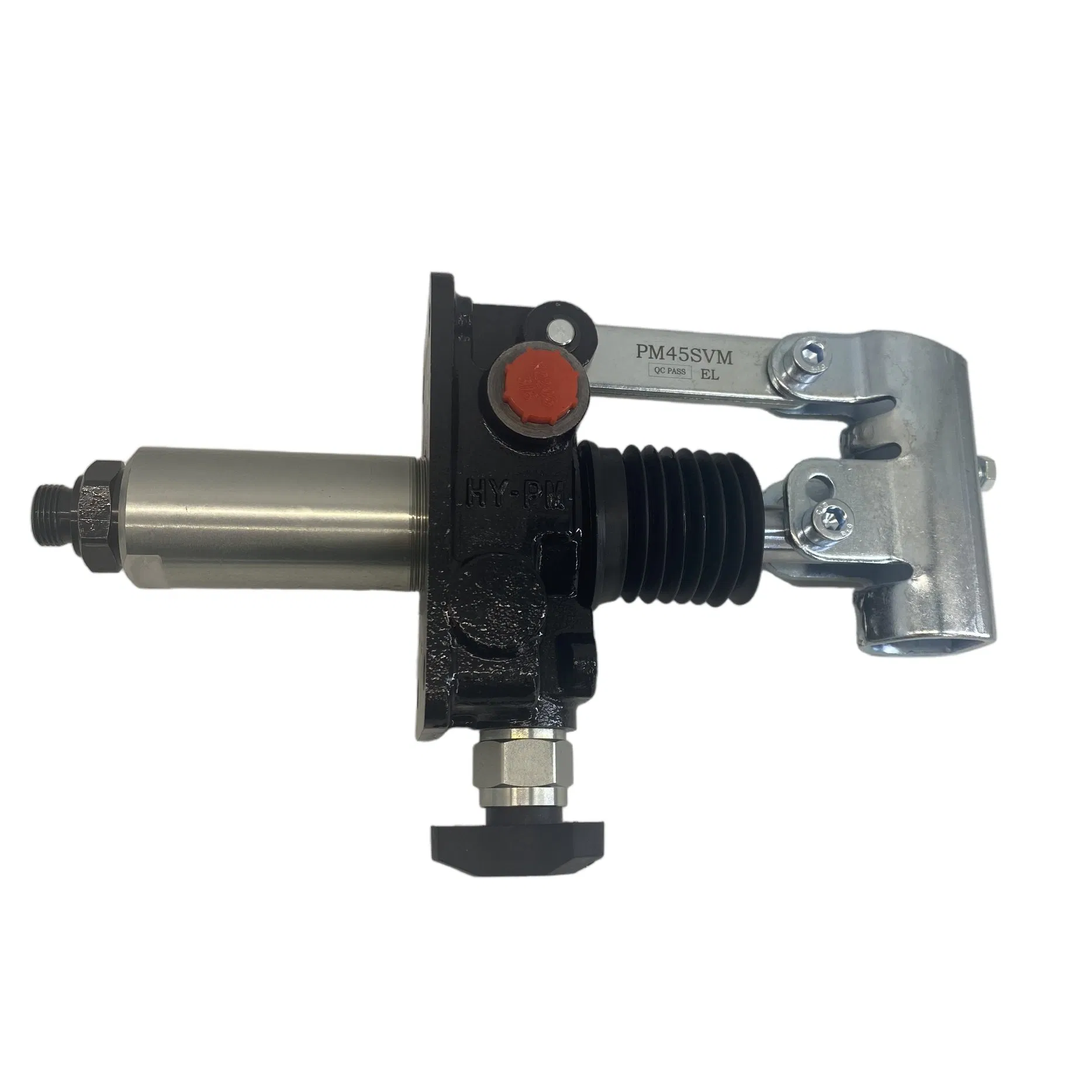
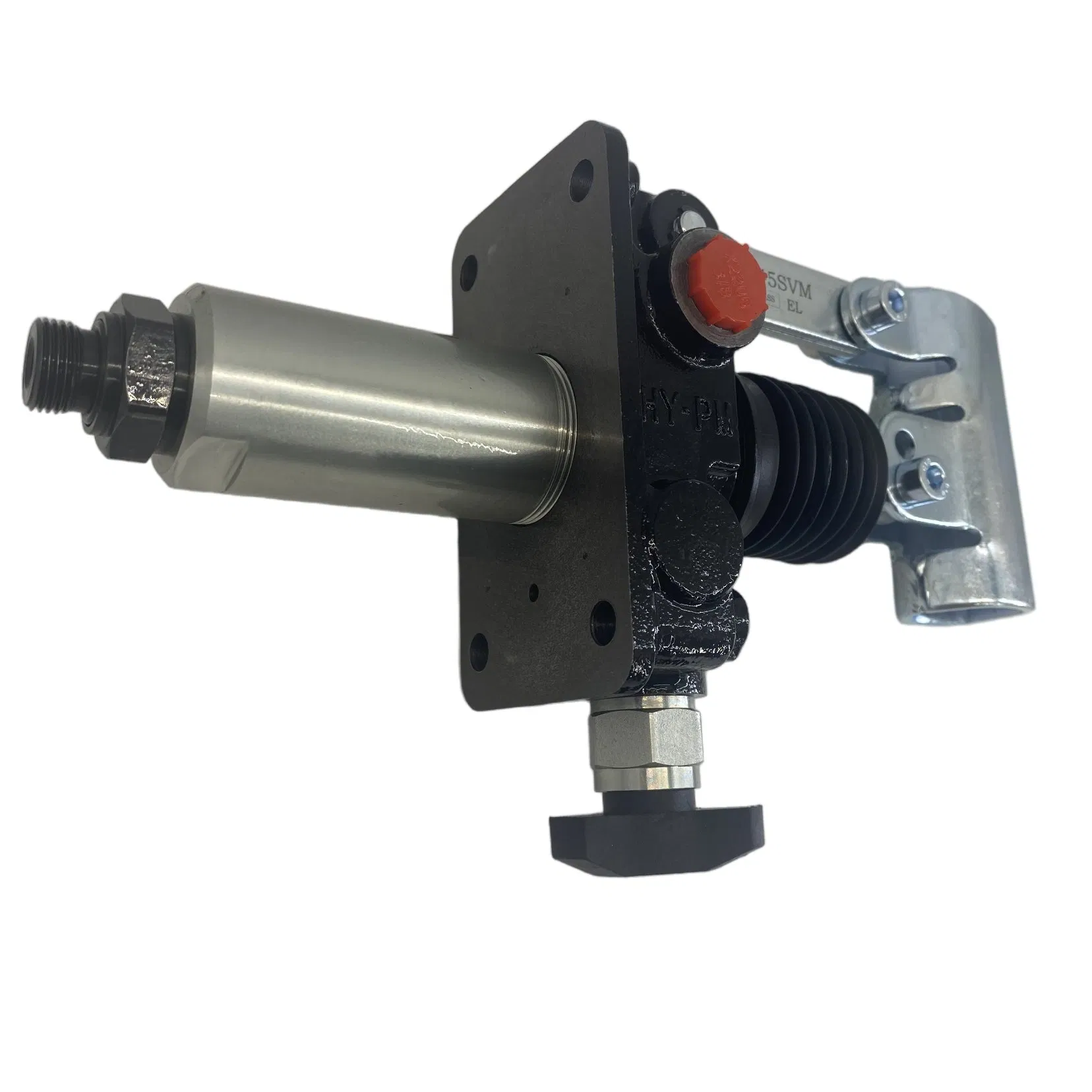
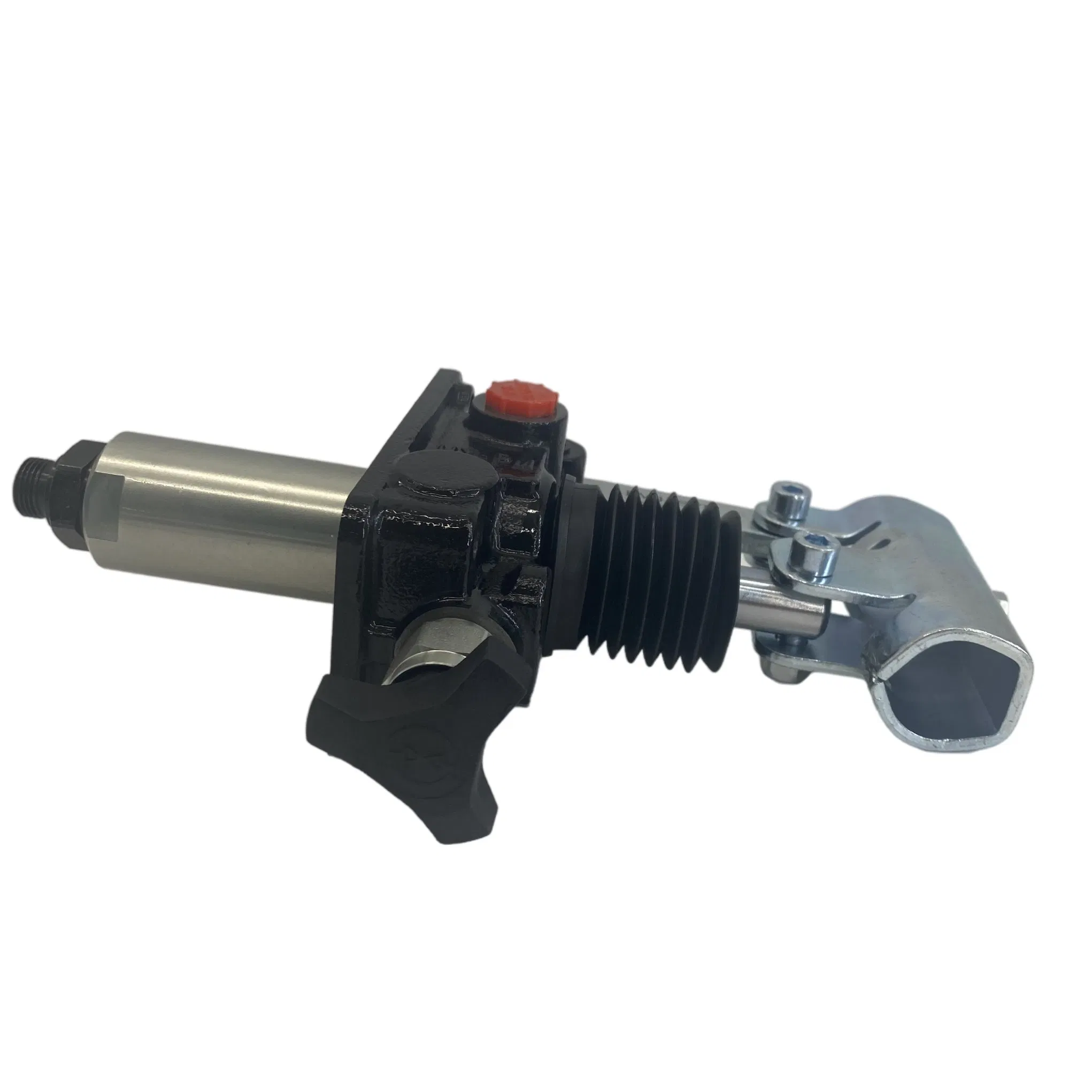
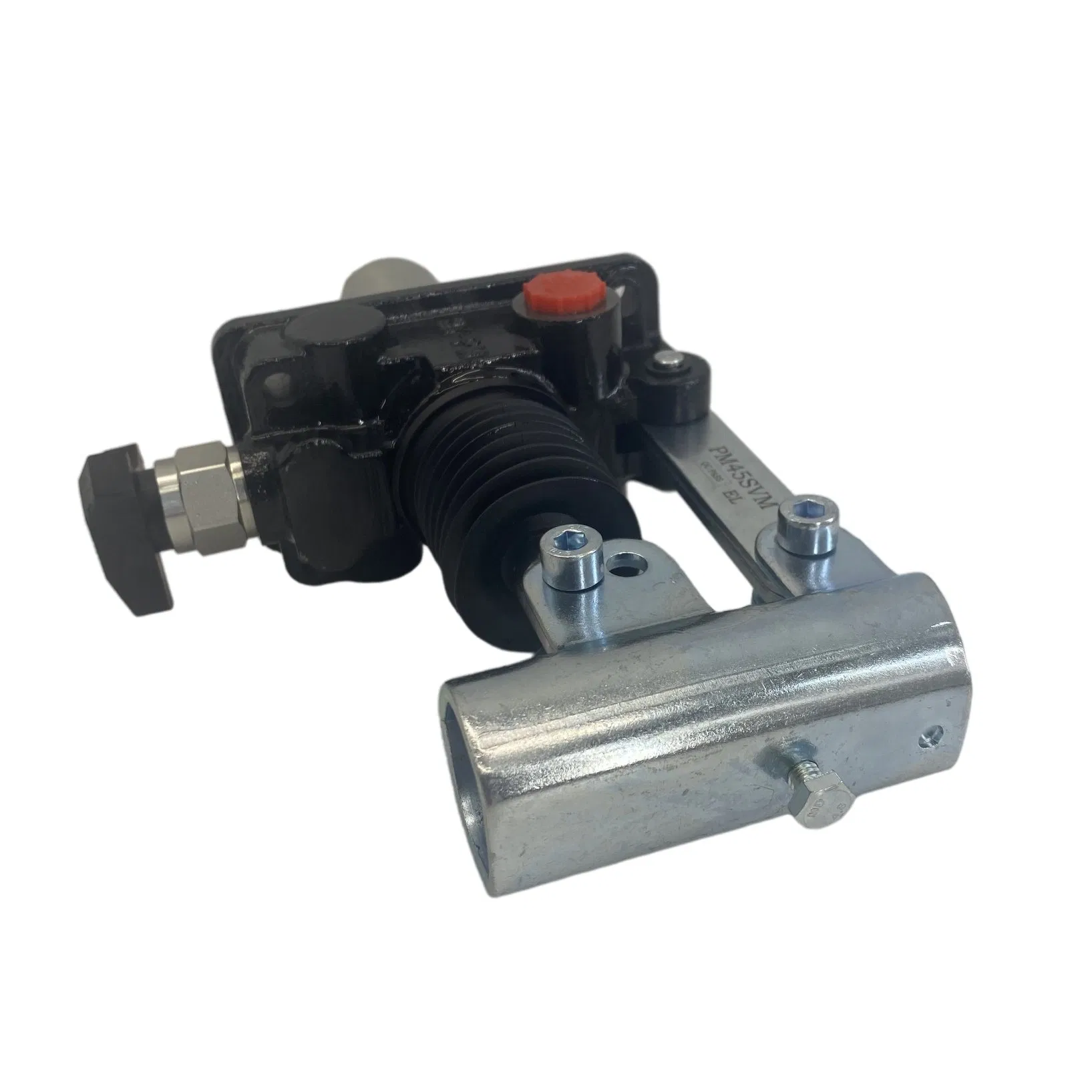
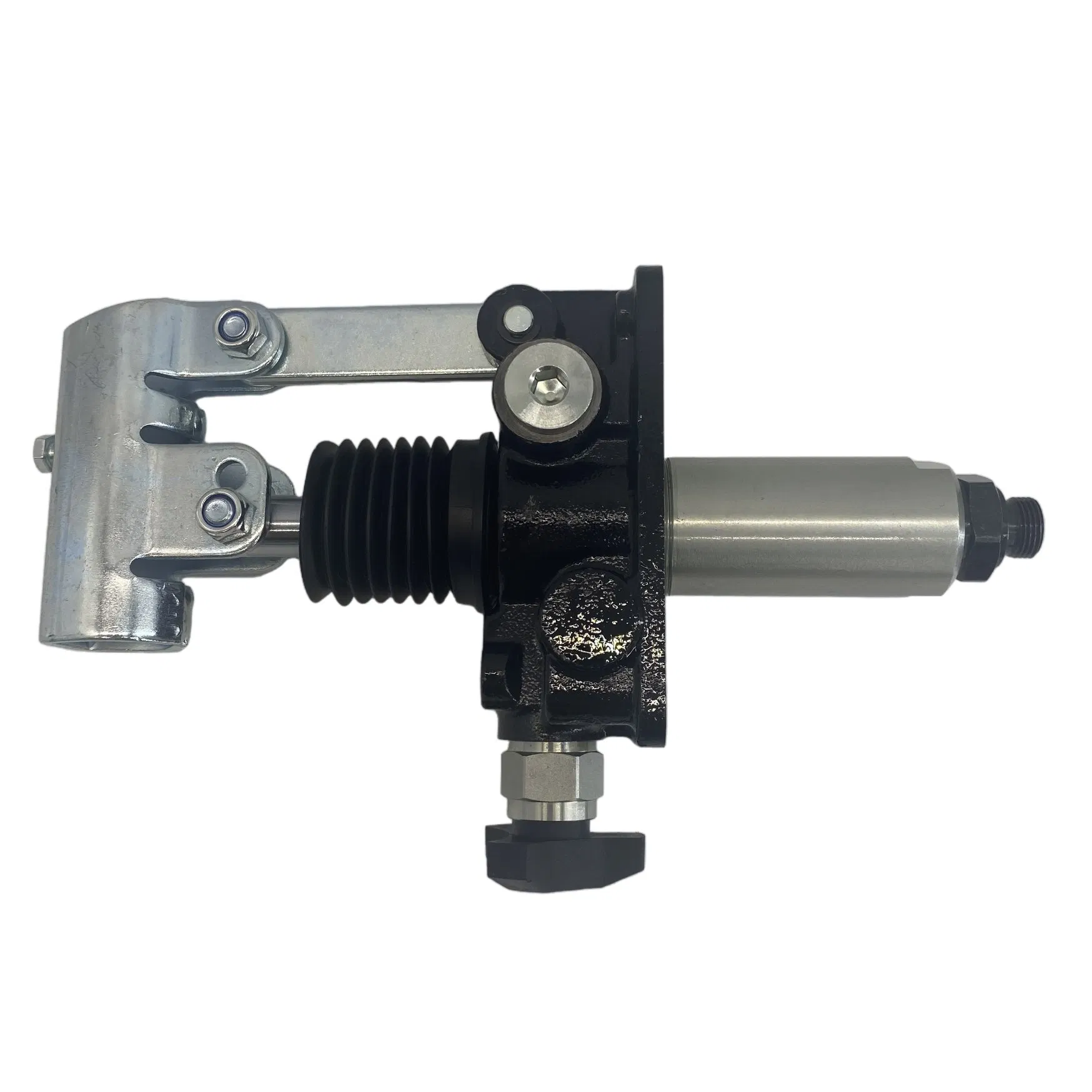
A hydraulic hand pump is a manually operated mechanical device that converts human mechanical energy into hydraulic pressure energy to power hydraulic equipment or perform heavy-duty tasks. It serves as a portable, self-contained hydraulic power source, operating independently without electricity, fuel, or compressed air.
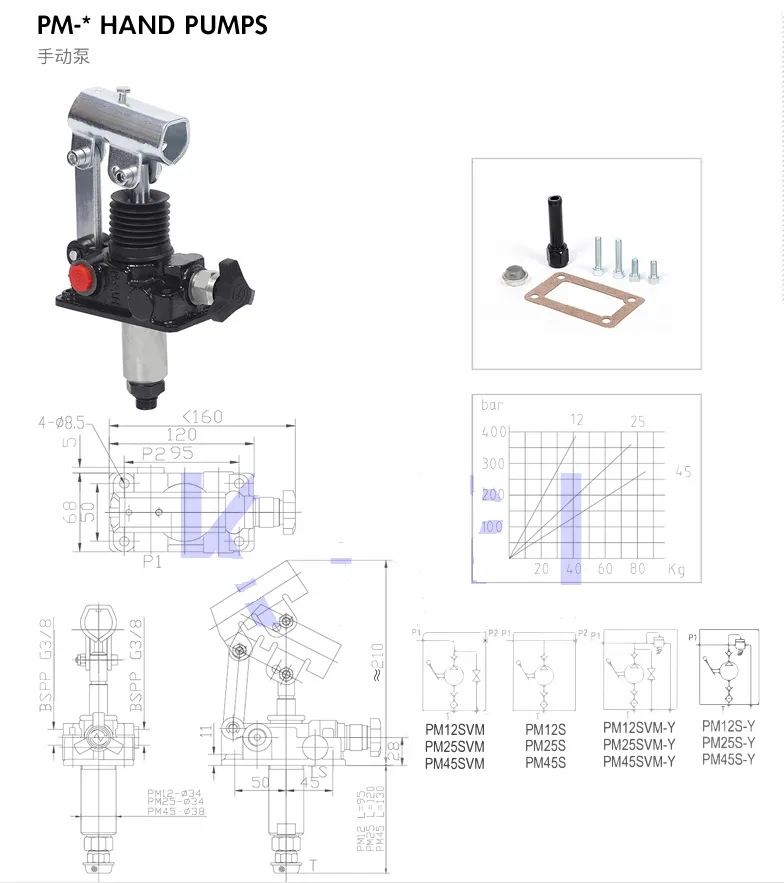
Key Components
- Pump Handle: The lever used to apply manual force, amplifying input power through leverage.
- Reservoir Tank: Stores hydraulic fluid (typically petroleum-based oil) for the system.
- Pump Body: The main housing that encloses the piston, valves, and internal mechanisms.
- Piston/Plunger: A small-diameter component that moves reciprocally to pressurize fluid.
- Suction & Discharge Valves: One-way check valves that control fluid flow, preventing backflow and building pressure.
- Outlet Port & Hose: Connects the pump to hydraulic cylinders, jacks, or tools.
Working Principle: Pascal's Law
Pressure applied to an enclosed incompressible fluid is transmitted equally in all directions.
1.
Suction Stroke: Handle pulled upward creates a vacuum, drawing fluid from the reservoir.
2.
Pressure Stroke: Handle pushed down drives the piston, compressing fluid and forcing it into the system.
Main Types
- Single-Acting Pumps: Generate pressure only on the downstroke. Simple and cost-effective.
- Double-Acting Pumps: Produce pressure on both up and down strokes for higher efficiency.
❓ Frequently Asked Questions
What is the primary function of a hydraulic hand pump?
It is a manual device that converts human mechanical energy into hydraulic pressure, used to power tools like jacks, pullers, and cylinders without needing electricity or fuel.
What is the maximum pressure these pumps can achieve?
Standard models typically reach up to 70MPa, while specialized ultra-high-pressure variants can achieve outputs as high as 300MPa.
How does Pascal's Law apply to this pump?
Pascal's Law states that pressure applied to an enclosed fluid is transmitted equally. In this pump, small piston areas allow minimal manual effort to generate very high pressure output.
What is the difference between single-acting and double-acting pumps?
Single-acting pumps generate pressure only on the downward stroke, whereas double-acting pumps generate pressure on both upward and downward strokes, increasing fluid delivery speed.
Is this hydraulic pump safe for hazardous environments?
Yes. Since it is manually operated and does not require electricity, there are no risks of sparks or short circuits, and built-in relief valves prevent over-pressurization.
What kind of maintenance does a hydraulic hand pump require?
Due to its simple design with few moving parts, maintenance is minimal. Regular checks of fluid levels and ensuring the seals are intact are usually sufficient for reliable operation.
 BYT Homes