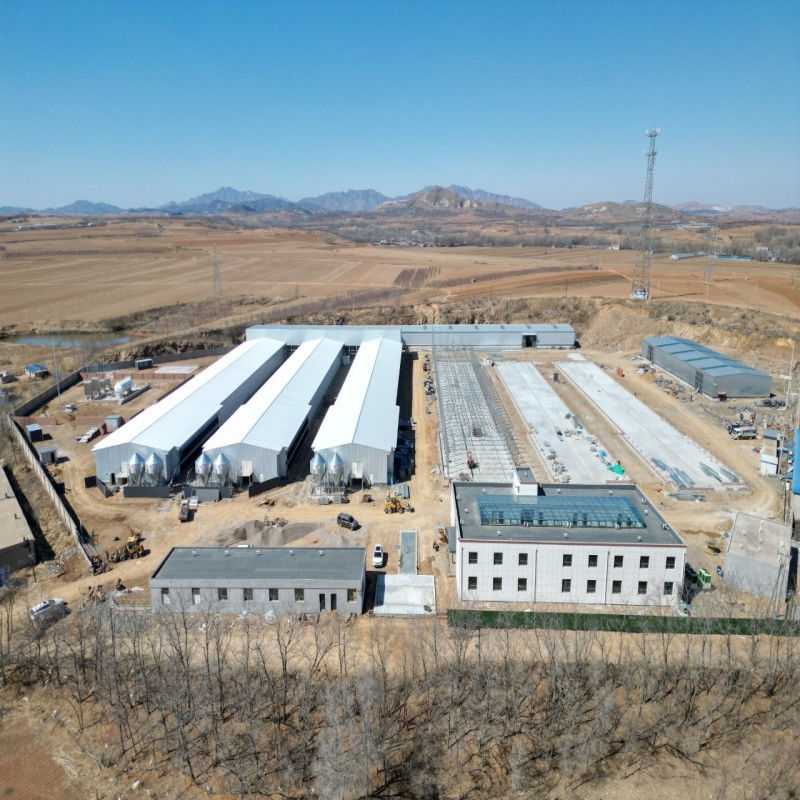
Galvanized Steel Poultry Housing System
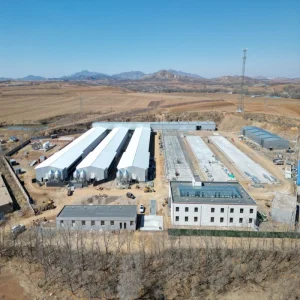
Integrated with Feeding Equipment and Farm Layout Design
📋 Basic Specifications
Construction Member
Steel Column
Grade
Quality Carbon & Alloy Structural Steel
Molding Method
Cold Drawn Steel
Steel Type
High-Strength Steel
Purlin Type
C/Z Galvanized Purlin
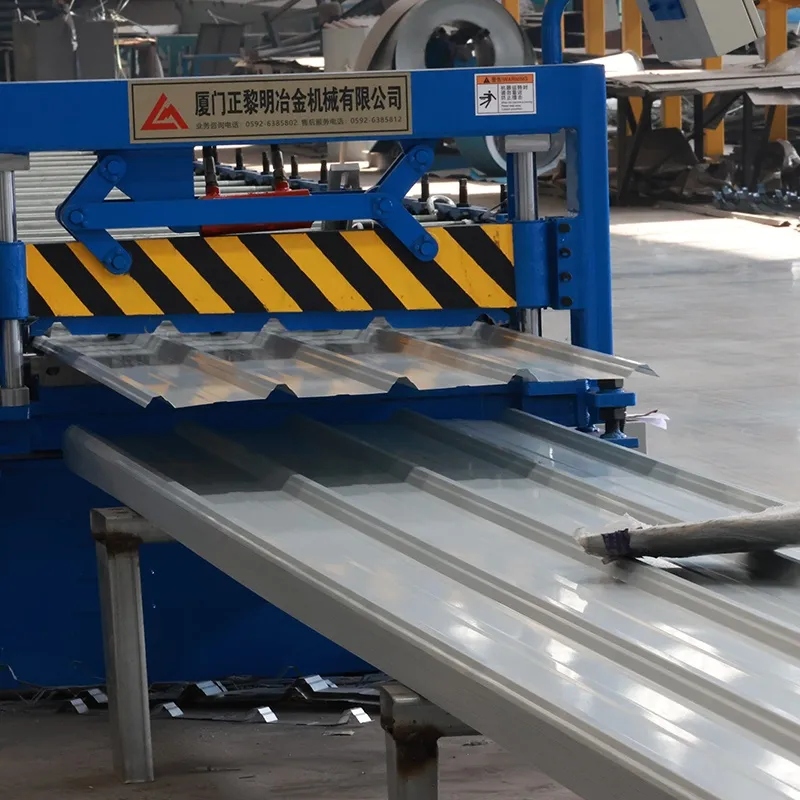
Roof Sheet
EPS or Galvanized Color Plate
Capacity
200,000 Square Meters
🏗️ Product Performance
The steel structure housing utilizes lightweight steel materials that offer superior performance over traditional concrete or wooden buildings. Our solution provides the following key advantages:
- Stronger Structure: High-strength steel with excellent wind and seismic resistance.
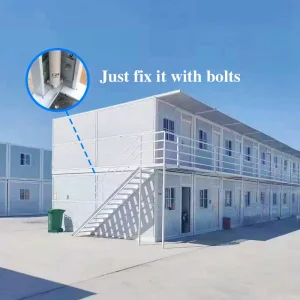
- Faster Installation: Bolt-connected components, no on-site welding required.
- Cost-Efficient Shipping: Lightweight frames and high-density insulation reduce freight costs.
- Better Environment: Optimized ventilation and sealed structures ensure healthy livestock growth.
- Durable & Low Maintenance: Long lifespan with minimal upkeep requirements.
🏭 Precision Manufacturing
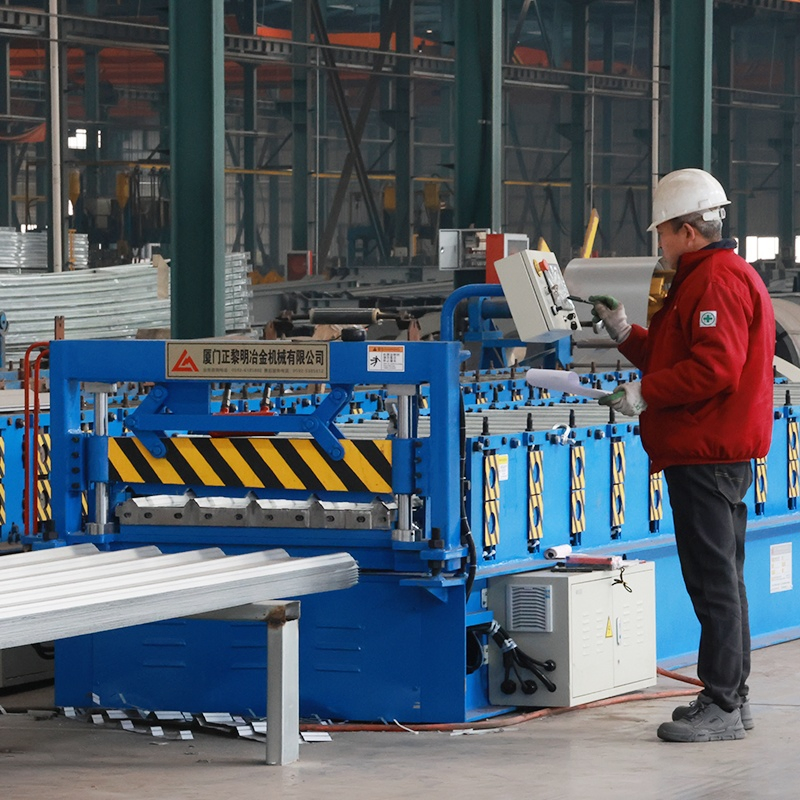
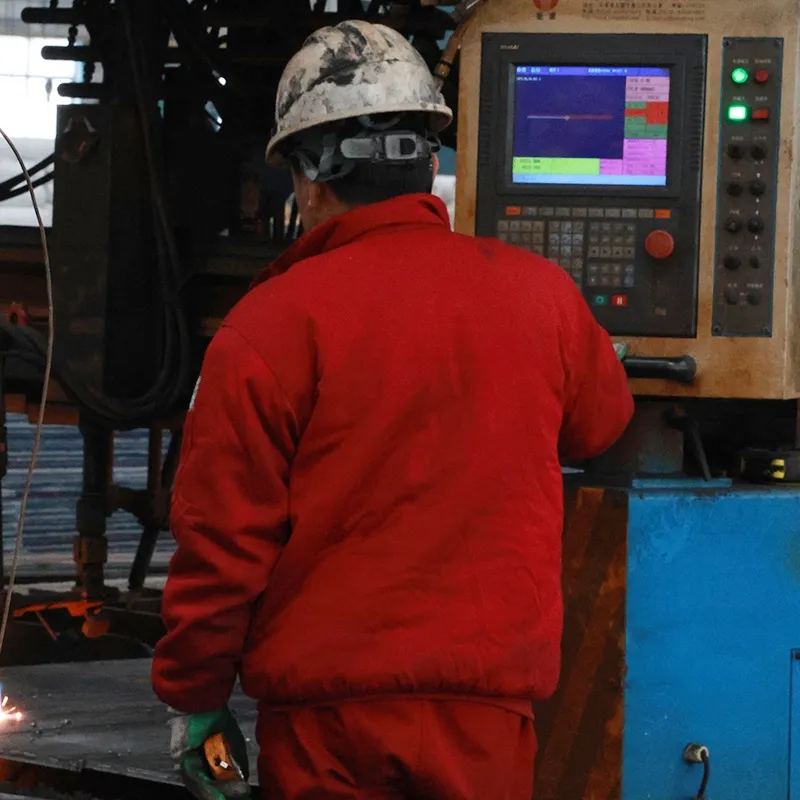
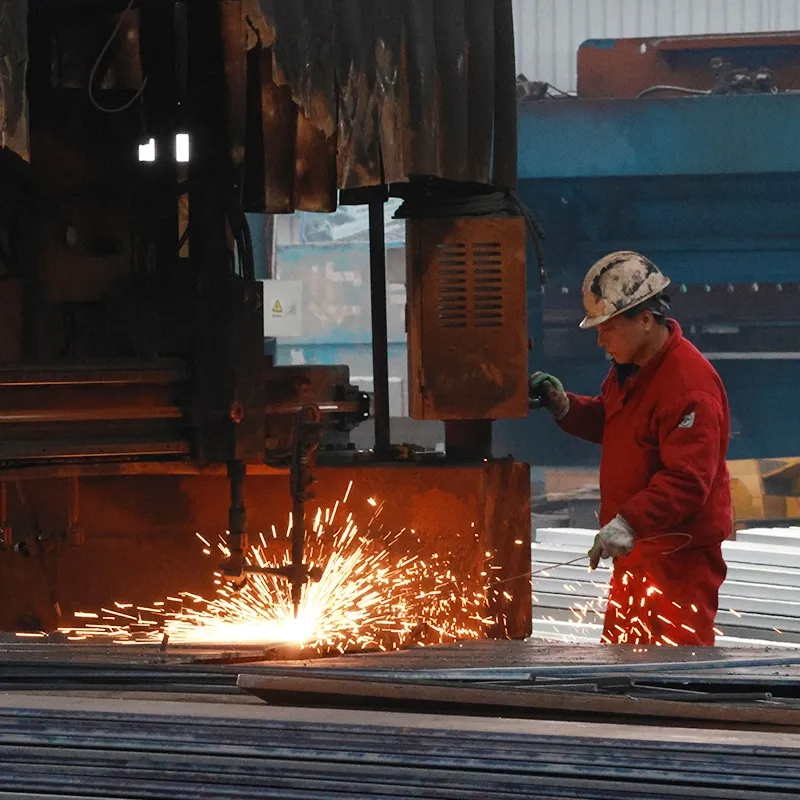
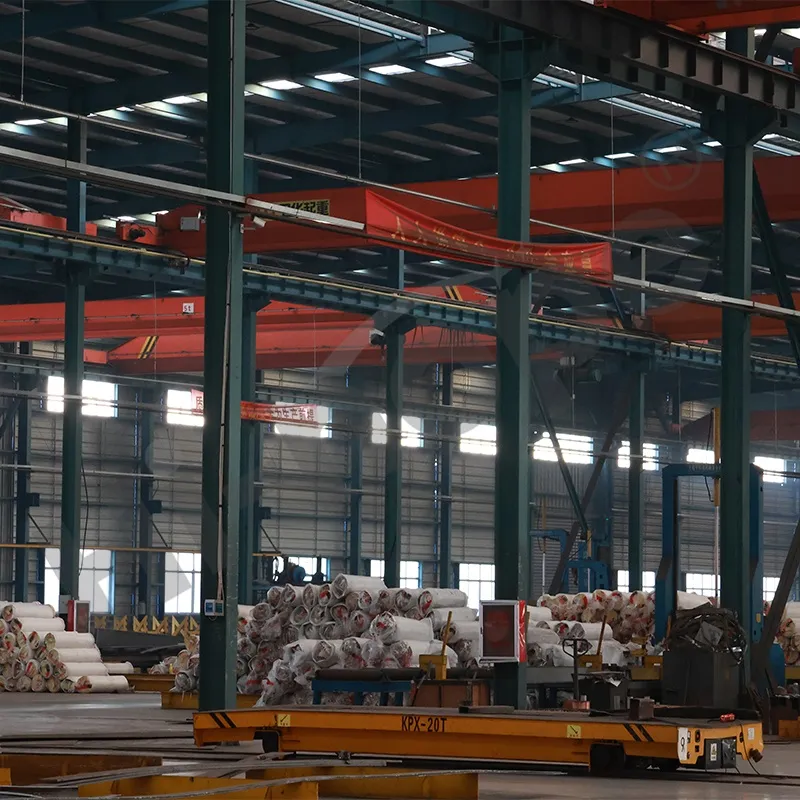
Specialized in the design, manufacturing, and processing of high-performance steel structures. Our production system ensures:
- Custom-engineered solutions tailored to each farm's specific layout.
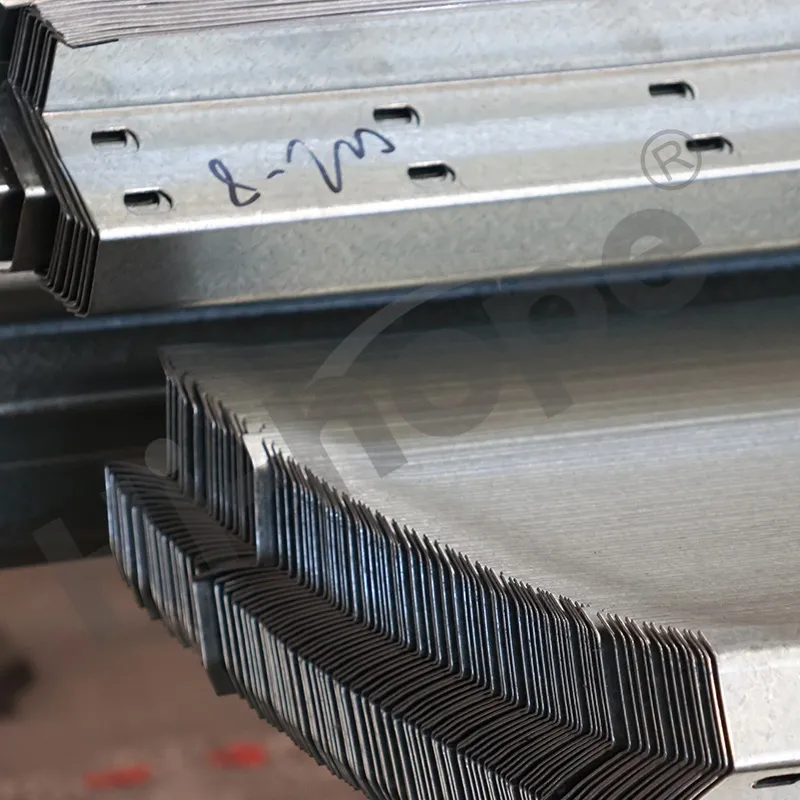
- Precision fabrication using high-quality galvanized steel.
- Modular parts and bolt-connected frames for streamlined assembly.
- Strict quality control and standardized production consistency.
📐 Detailed Structure Components
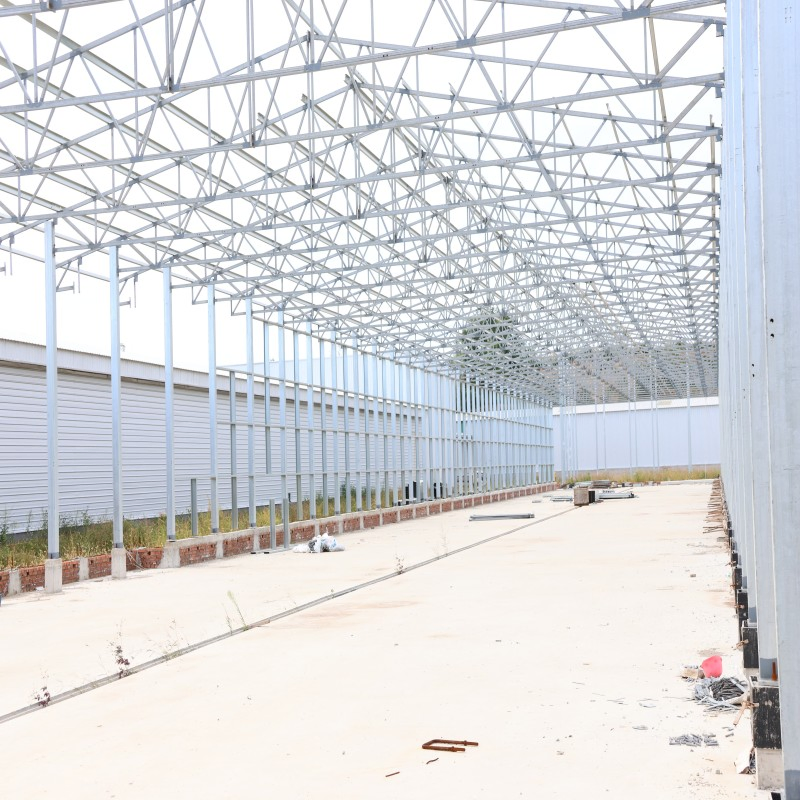
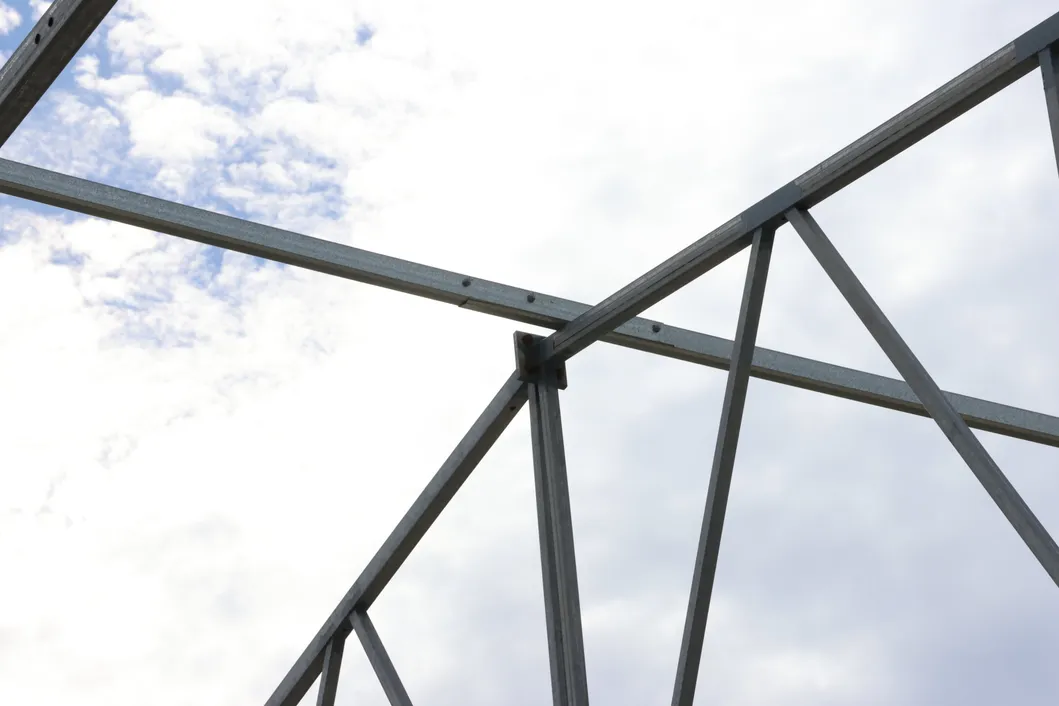
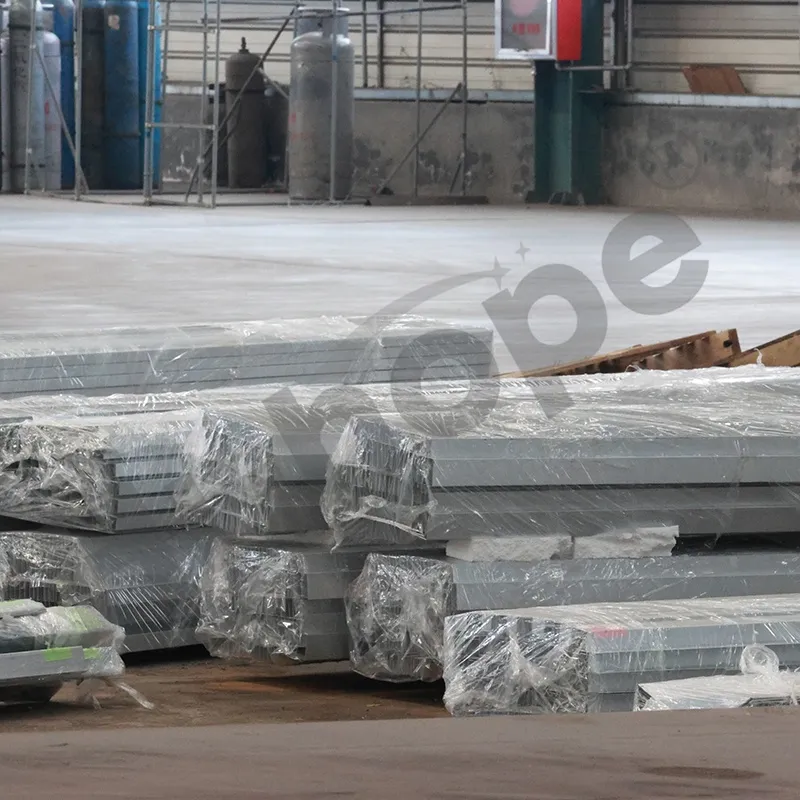
- Main structure: Steel column, Q355 high strength steel, hot-dip galvanized or AZM.
- Secondary members: C & Z purlin, pre-embedded square tubes for equipment.
- Panels: AZ150 high strength wall panels and drop ceilings.
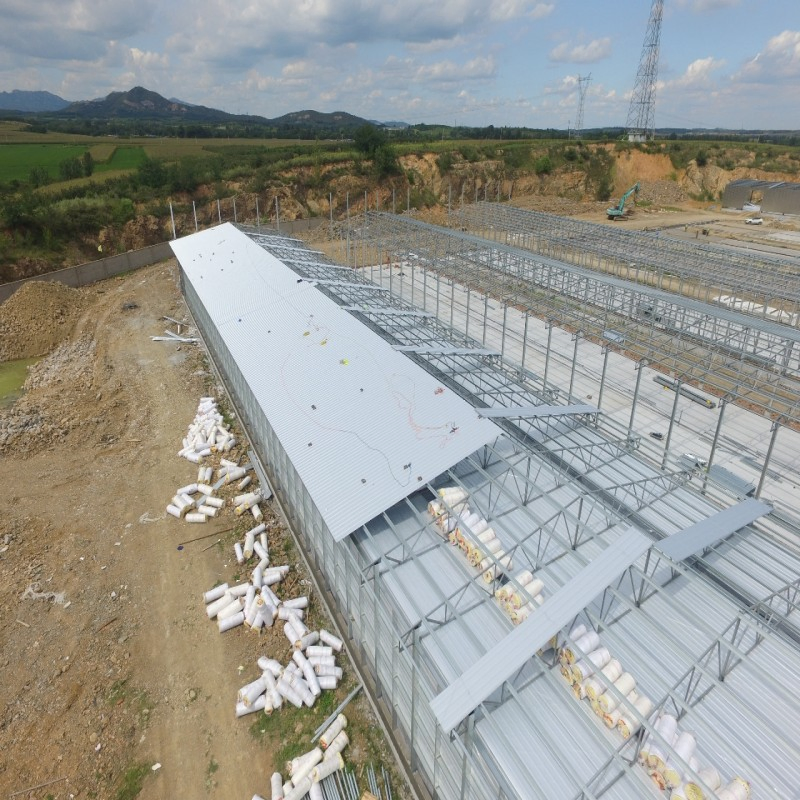
- Insulation: Fiberglass wool & PU panels for thermal regulation.
- Hardware: Specialized sealed doors, nuts, and self-tapping screws.
🛠️ Construction Workflow
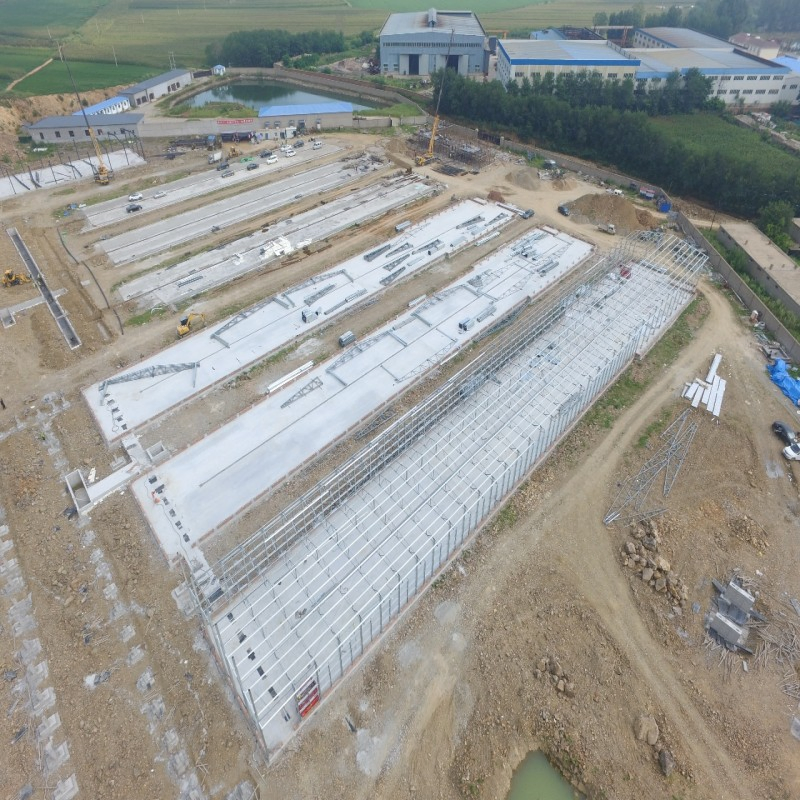
Step 1: Foundation Construction
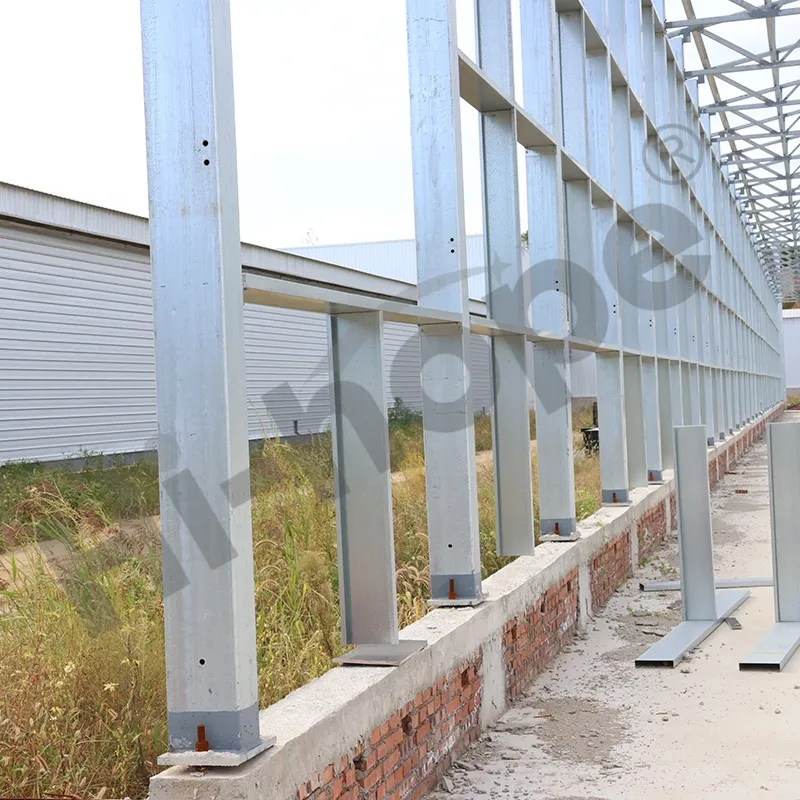
Civil foundation work must be carried out according to the provided drawings. Pre-embedding of anchor bolts must occur once supplied materials are delivered.
Step 2: Main Structure Installation
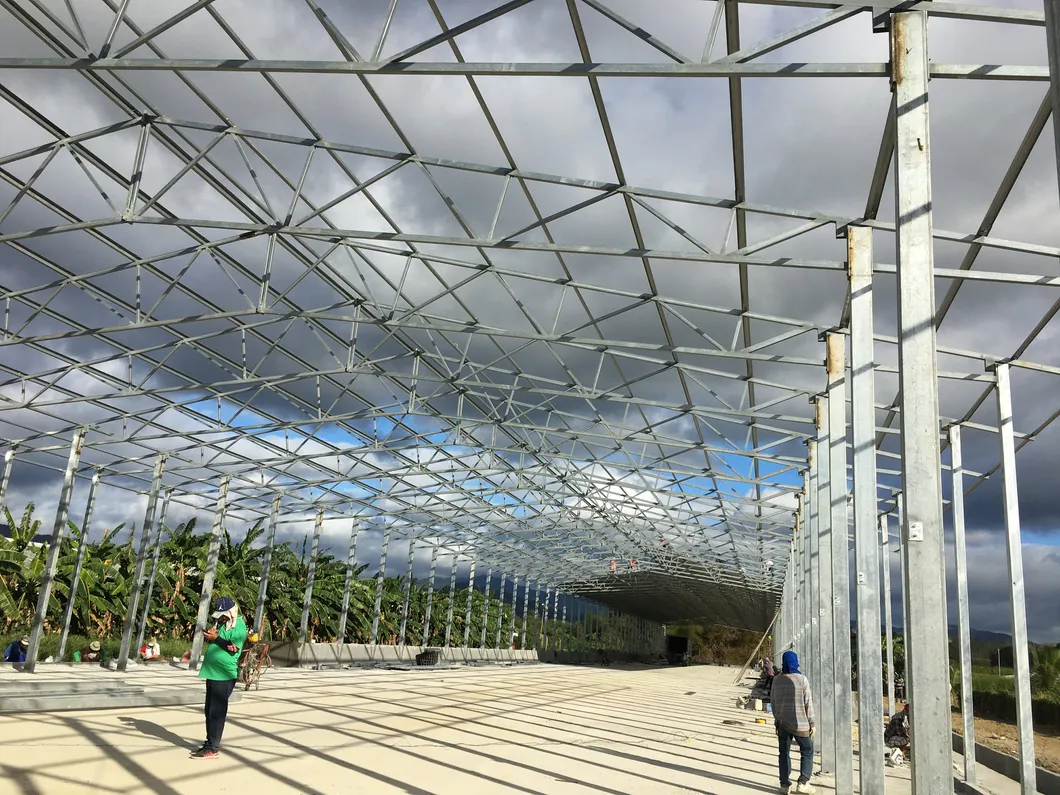
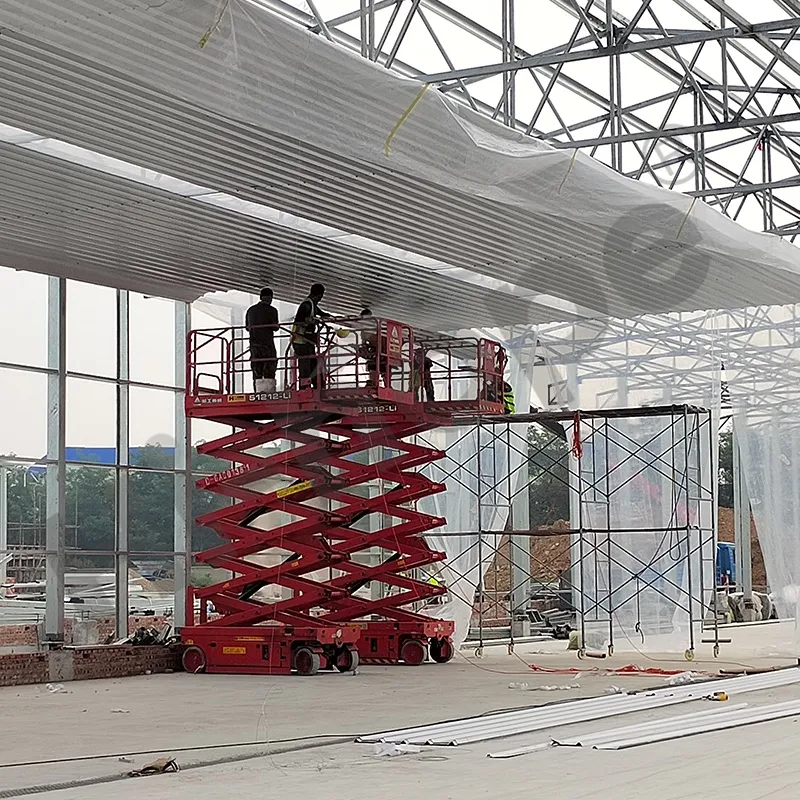
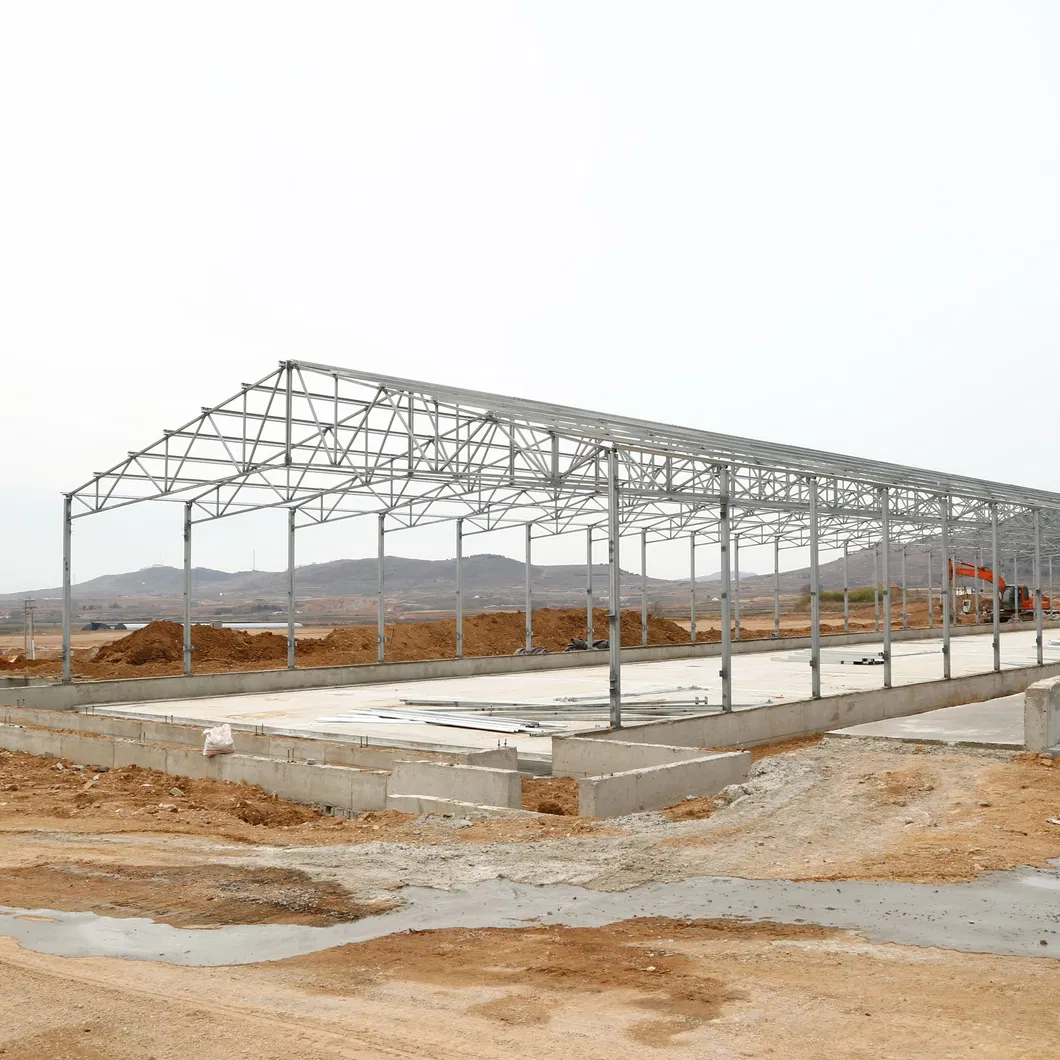
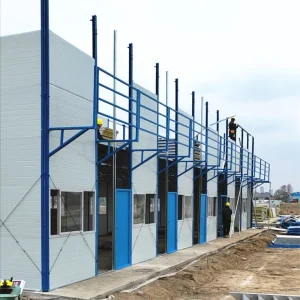
Erection of prefabricated steel columns, followed by beam and purlin installation, and final structural bracing calibration.
Step 3: Enclosure System
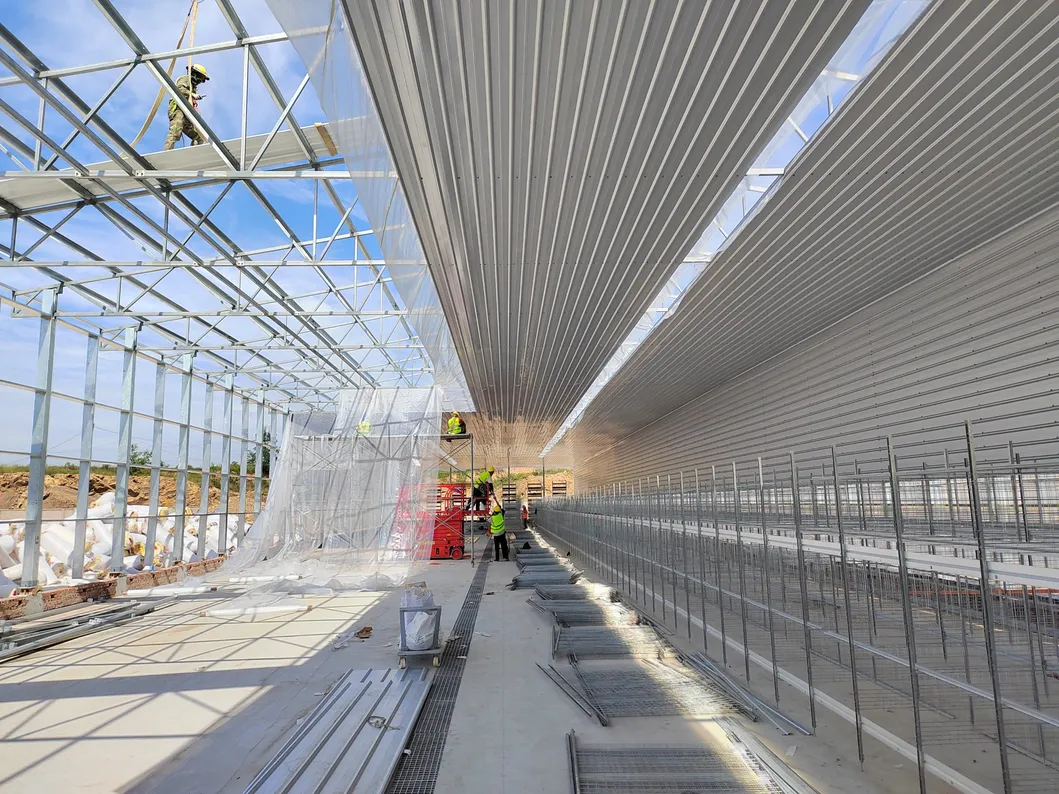
Roof and wall insulation installation, cladding, and waterproofing. Once internal ceiling panels are set, equipment line hooks can be installed.
❓ Frequently Asked Questions
1. What is a light truss structure poultry house?
It uses a truss design constructed with lightweight steel to form a stable framework. It offers excellent structural stability and seismic resistance while reducing overall building weight, making it ideal for large-scale farms.
2. What are the main advantages of this structure?
Key benefits include cost-effective material use, strong structural stability for heavy loads, efficient modular construction, high flexibility for various layouts, and excellent seismic resistance.
3. Is the house suitable for large-scale farms?
Yes, it is highly suitable. It meets the needs of large-scale poultry farms for space, cost-effectiveness, and construction speed while providing flexible interior layouts.
4. How is durability ensured?
We use corrosion-resistant coatings, high-quality galvanized steel, and optimized drainage systems. Regular inspections of the roof and walls help prevent corrosion and extend the lifespan.
5. How long does construction typically take?
Due to the modular prefabricated design, construction is significantly shorter than traditional methods, typically ranging from a few weeks to a month depending on the project size.
6. What is the most important factor in the design?
Airtightness and thermal insulation are critical. A well-designed house maintains air quality and stabilizes internal temperature, which improves production efficiency and reduces operational costs.
 BYT Homes