Engineering-led sourcing for cold-climate container house assembly components, steel structures, precision modular prefab parts, plastic injection moulding, aluminium components, and export-ready fabrication kits for enterprise buyers in Novosibirsk and the wider Siberian Federal District.
These first four original catalogue products are especially relevant to buyers who need a practical bridge between container house assembly, durable moulded parts, corrosion-resistant aluminium details, and industrial fastening interfaces. All product titles, images, and URLs are retained below.
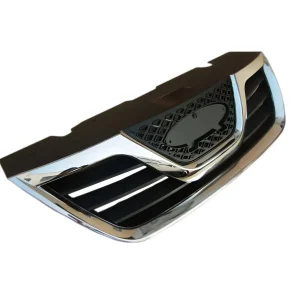
Premium Auto Components with Durable Plastic Injection Molding Solutions
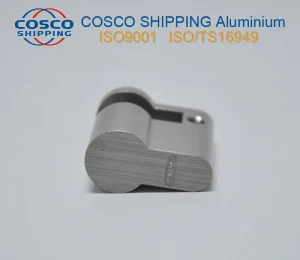
Customized Anodizing Aluminium Component Customized for All Sectional Areas
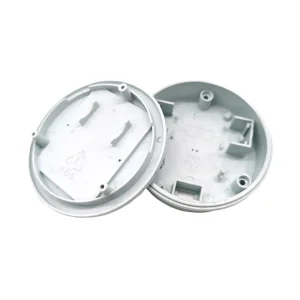
Custom-Made High Precision Plastic Components for OEM Applications
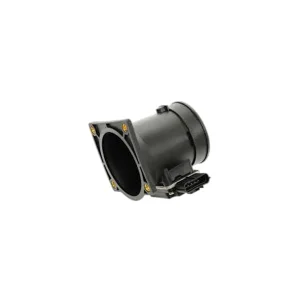
Industrial Plastic Components for Durable Snap Fasteners and Retainers
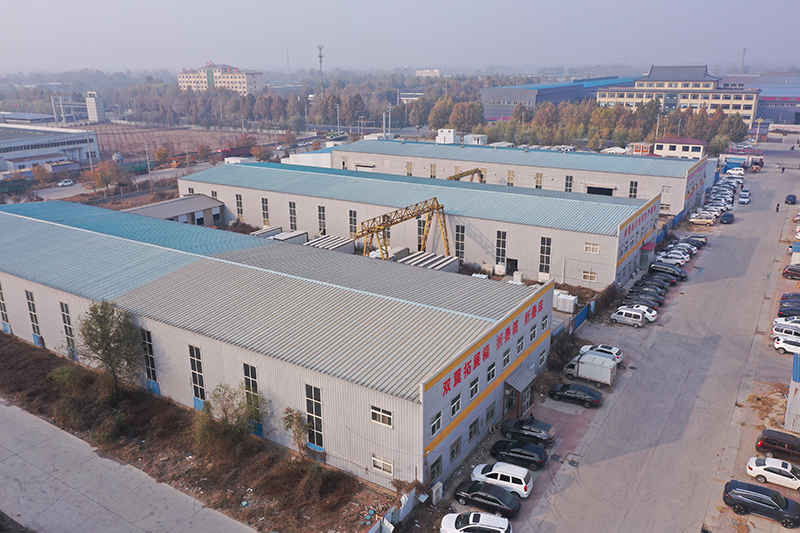
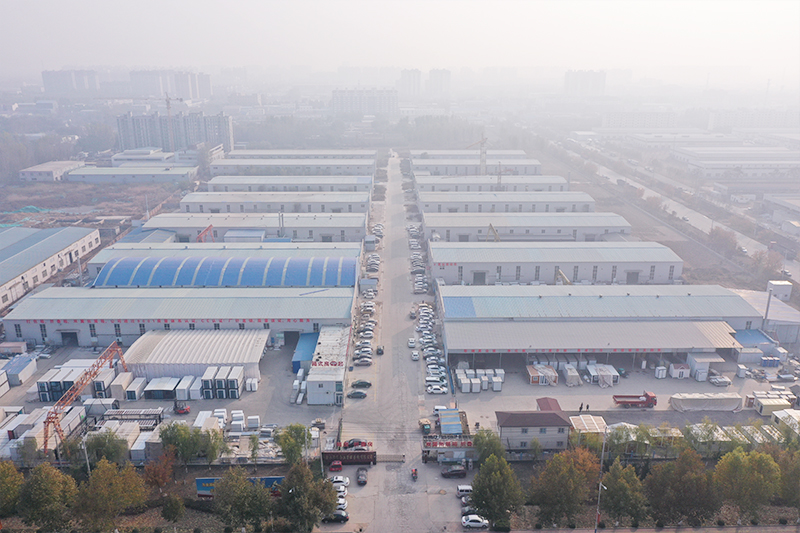
Shanghai BYT Homes Co., Ltd. is a comprehensive enterprise integrating design, production, processing, customization, sales, and construction. The company is located in Shanghai, China. We focus on the production and manufacturing of double-wing expansion houses, quick-assembled container houses, and folding container houses.
Our integrated house products have been exported to more than 60 countries and regions worldwide, earning wide recognition and trust from global customers. The company has a strong independent R&D team and a professional construction team, enabling us to provide customers with a full range of customized solutions to meet diverse and high-standard project requirements.
Shanghai BYT Homes Co., Ltd. has always adhered to the corporate philosophy of “quality first, honest operation,” pursuing excellence with craftsmanship. We firmly believe that every transaction marks the beginning of long-term cooperation, and our service never ends. We sincerely look forward to working with you to create a better future!
For Novosibirsk-facing procurement, this integrated position matters because a container house is not purchased as one isolated product. It is a coordinated assembly of structural steel, envelope panels, connection details, precision inserts, moulded seals, fasteners, door and window interfaces, MEP brackets, and transport protection. The stronger the manufacturer’s control over design, processing, customization, and construction logic, the easier it becomes to reduce interface risk before the kit leaves China.
The most valuable information gain for a buyer is not a longer product list. It is a clear map of which component interfaces must be engineered, inspected, packed, and documented together.
Novosibirsk is not simply another destination on an export quotation. It is a major administrative, scientific, industrial, and transport centre in Siberia, positioned on the Trans-Siberian Railway and the Ob River. For a modular housing buyer, the component package must satisfy three tests at the same time: cold-climate building physics, long inland logistics, and fast assembly where labour, tools, and weather windows may be constrained.
Demand around Novosibirsk is shaped by construction and workforce housing, logistics and warehouse facilities, research and education environments, agriculture, mining support, energy projects, municipal use, retail, and remote-site operations. Buyers often need repeatable modular buildings rather than one-off structures, which raises the importance of assembly-component consistency and spare-part planning.
Winter conditions can be severe, with periods below −30°C in the wider Siberian environment and significant snow loads in project-specific cases. Thermal bridging, condensation risk, seal compression at low temperature, steel toughness, coating durability, and snow-shedding geometry should be reviewed by the project engineer before a container house assembly kit is finalised.
Containerised and mixed-component shipments to Novosibirsk require packaging that protects edges, threads, machined surfaces, gaskets, and painted steel through rail and road transfer. A low-cost component that arrives distorted or mixed incorrectly can create more site cost than a well-packed, clearly labelled assembly package.
Enterprise buyers increasingly look for factory-direct communication, clear bill-of-materials structure, mixed-container loading, inspection records, spare-part lists, and documentation that matches the shipped kit. The buying decision is shifting from “Can you supply a container house?” to “Can you control the assembly-component system and prove it?”
Intent: identify a supplier that understands local delivery, cold-climate configuration, and factory-level component integration rather than only a catalogue price.
Intent: compare insulation, thermal breaks, low-temperature seals, steel specifications, and condensation control before approving a kit.
Intent: verify fabrication quality, packing, loading, Incoterms, customs documentation, and coordination with the importer.
Intent: obtain a complete BOM with bolted steel members, panels, connectors, fasteners, seals, and installation sequence.
Intent: source durable moulded retainers, snap fasteners, precision inserts, and OEM/ODM parts that support modular enclosure systems.
Intent: reduce site rework through dimensional consistency, pre-fit validation, and inspection documentation for high-precision interfaces.
Across many markets, modular and prefabricated construction is being adopted to address labour availability, schedule pressure, quality repeatability, remote-site housing, disaster response, energy-sector camps, and sustainability targets. The container house is no longer only a temporary box; it is part of a broader offsite construction system that depends on engineered assembly components.
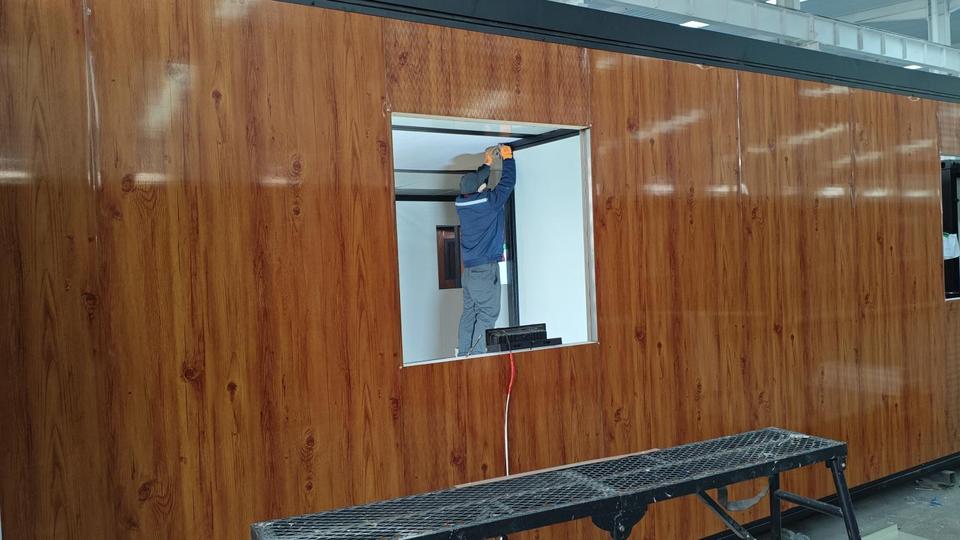
Enterprise buyers prefer factory-finished assemblies and predictable site work. High-quality connectors, pre-drilled steel components, labelled kits, and precision-moulded interfaces reduce dependence on scarce on-site fitting skills and shorten weather-sensitive installation windows.
Mining, energy, logistics, agriculture, and infrastructure projects often require temporary and semi-permanent buildings far from established supply chains. Component standardisation, spare-part availability, and packaging resilience become commercial advantages, not merely factory details.
Global buyers are paying more attention to reuse, disassembly, material traceability, coating durability, and maintenance. Bolted steel structures, replaceable panels, modular seals, and standardised fastening systems support a more circular approach than permanently welded, hard-to-repair assemblies.
China’s advantage for complex modular housing components is not limited to unit price. It comes from dense supply chains, fast engineering-to-tooling cycles, repeatable fabrication, mature export packing, and the ability to coordinate steel structures, injection-moulded parts, aluminium components, and custom fabrication within one project conversation.
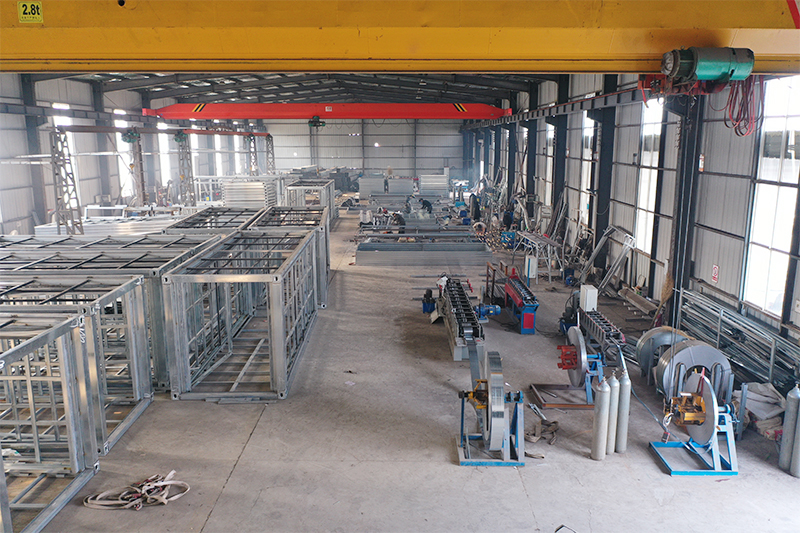
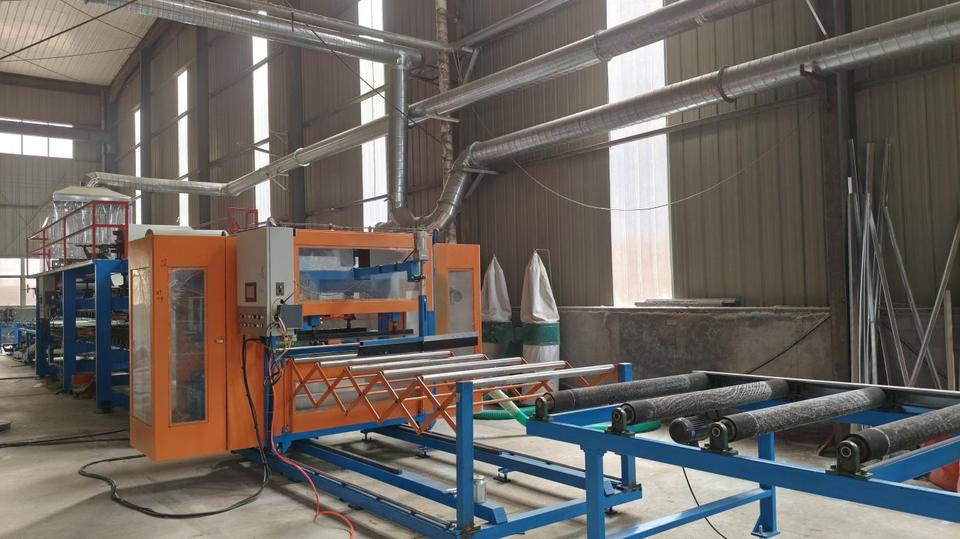
Steel cutting, welding, laser fabrication, injection moulding, surface treatment, and assembly support can be planned around a single bill of materials. This reduces interface gaps between structural and non-structural components.
OEM/ODM projects benefit from fast drawing review, tooling feedback, material selection, and prototype revision. The earlier these loops happen, the less likely a container house kit will require site modification.
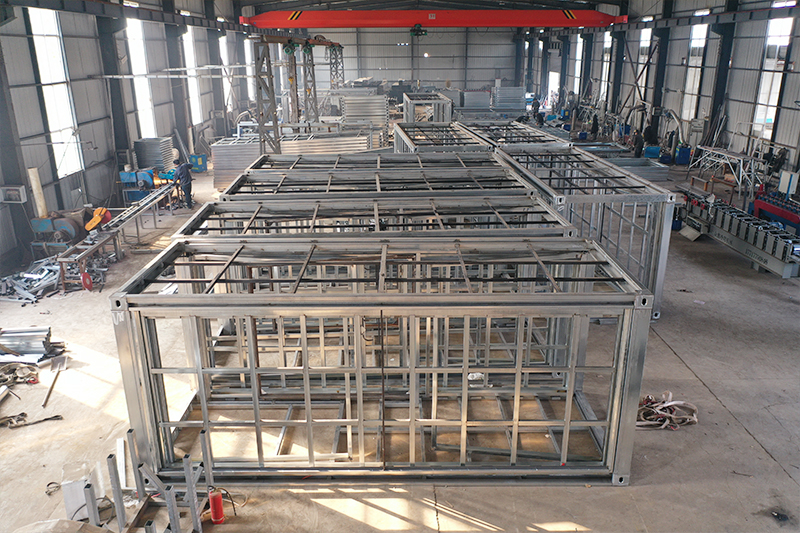
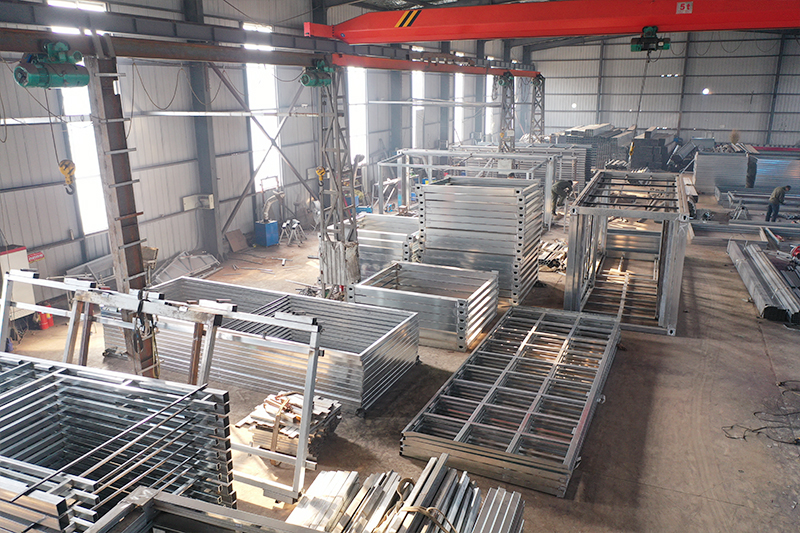
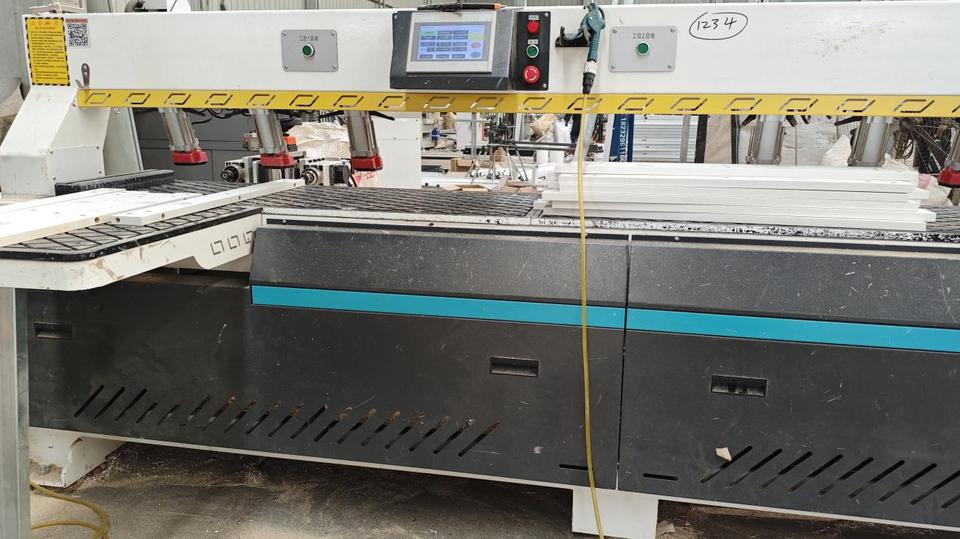
Jigs, gauges, dimensional checks, weld inspection, trial assembly, and loading verification create repeatability. For modular components, repeatability is often more valuable than an isolated high-spec sample.
Mixed containers require labelling, bundling, moisture protection, and loading plans. A well-sequenced export pack lets the Novosibirsk site receive components in the order needed for assembly instead of sorting random crates.
Review drawings, loads, climate assumptions, connection details, material choices, and packing feasibility before production.
Cut, weld, laser-process, mould, anodize, coat, and inspect components under project-specific control points.
Check key interfaces, dimensions, hole patterns, seal fits, and label logic before export packing is closed.
Bundle by assembly stage, protect critical surfaces, prepare loading plans, and align documents with the shipped BOM.
The same container house platform can serve very different uses. The component package should be adapted to occupancy, climate exposure, transport route, foundation strategy, MEP requirements, and maintenance access. These are the most common demand scenarios for enterprise buyers sourcing from China.
Quick-assembly housing, site offices, canteens, sanitary modules, and storage. Key components include bolted steel frames, durable fasteners, snap-fit retainers, and replaceable envelope parts.
Remote-site accommodation and technical rooms where transport protection, corrosion resistance, and spare-part planning matter. Steel structure components and high-pressure stainless parts may be specified.
Modular offices, dispatch rooms, security cabins, and welfare facilities for logistics hubs. Precision prefab components help maintain door, window, and panel alignment.
Equipment shelters, seasonal worker facilities, storage control rooms, and processing support spaces that require durable envelopes and easy maintenance.
Temporary laboratories, campus support rooms, and training spaces around Novosibirsk’s academic ecosystem. These projects often require clean interfaces, precise panels, and coordinated MEP penetrations.
Rapid-deployment accommodation, command rooms, medical support spaces, and storage. Standardised assembly components and labelled kits improve speed of deployment.
Seasonal retail, visitor centres, coffee units, and remote hospitality modules where appearance, aluminium detailing, and finish quality influence the buyer’s brand experience.
Modular enclosures for electrical, fire-suppression, telecommunications, and cold-climate equipment protection, using stainless components, precision brackets, and sealed penetrations.
A container house assembly kit should be reviewed as an interface system. The following matrix highlights the component decisions that most often influence winter performance, site speed, maintenance cost, and transport risk.
Confirm steel grade, low-temperature toughness where required, weld quality, bolted connection details, hole tolerance, and corrosion protection. For quick-assembly structures, pre-fit validation of bolted interfaces is more important than catalogue dimensions alone.
Review insulation continuity, panel joints, corner details, floor-to-wall interfaces, roof junctions, and penetration sealing. A high-performance panel can still underperform if connection details create thermal bridges or air leakage paths.
Low-temperature flexibility, compression set, UV exposure, and snow-melt cycling should be considered. Durable snap fasteners, retainers, injection-moulded clips, and replacement seal kits reduce long-term maintenance friction.
Anodized aluminium components should be specified for the intended exposure. Pay attention to contact between dissimilar metals, drainage paths, cut-edge protection, and fastener compatibility to reduce galvanic or crevice corrosion risk.
The project engineer should define snow load, wind pressure, drift, and roof drainage assumptions. Assembly components must support the required roof geometry, tie-down strategy, and snow-shedding behaviour without creating unsafe falling-snow zones.
Container houses can use different foundation approaches depending on soil, frost depth, drainage, and permanence. The kit should clearly define anchor points, levelling tolerances, base connection details, and responsibilities at the foundation interface.
Beyond the first four component families, these four original catalogue products support slope protection, steel building structures, OEM/ODM moulding, and automotive-style injection moulding. They are useful when a Novosibirsk project requires a wider industrial component package rather than only container house panels.
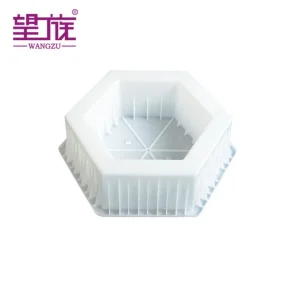
Premium Hexagonal Slope Protection Components for Enhanced Durability
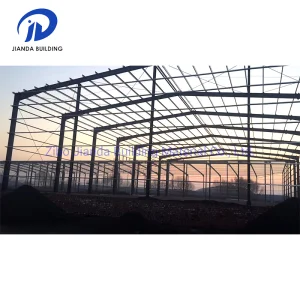
High Quality Steel Structure Components Manufacture for Steel Building
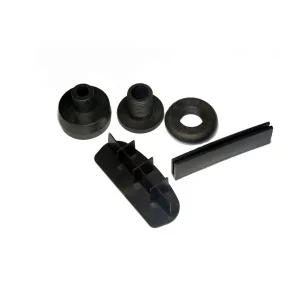
Professional OEM/ODM Injection Mould Services ABS/PA/PC/PE/PMMA/POM/PP/PS Custom Plastic Components
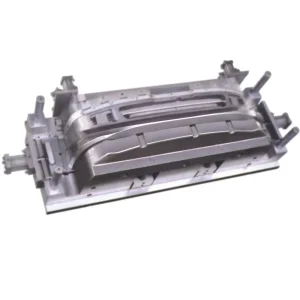
OEM Auto Components Created with Innovative Injection Molding Methods
Serious enterprise buyers need more than a price per square metre. They need a supplier who can translate project requirements into a repeatable BOM, protect quality through fabrication and packing, and support the importer with documentation and after-sales planning.
Provide layout, snow load, wind load, foundation assumptions, occupancy, and any local engineering requirements before final quotation.
Define insulation targets, thermal break details, low-temperature seal requirements, condensation strategy, and roof snow management.
Clarify electrical, plumbing, ventilation, fire-suppression, and equipment mounting points so brackets and penetrations are included in the kit.
Request a structured BOM by assembly stage, with quantities, labels, spare parts, connection details, and packaging units clearly identified.
Agree on dimensional checks, weld visual inspection, coating checks, material traceability, and pre-assembly verification where relevant.
Confirm loading port, container type, mixed-load feasibility, Incoterms, transit expectations, import documentation, and responsibilities at destination.
Discuss documentation needs with the importer early. Requirements may vary by product, end use, and border procedure; generic catalogue claims should not replace project-specific confirmation.
Plan spare panels, fasteners, seals, retainers, touch-up materials, and replacement components for long-distance operation and maintenance.
Complete kit vs component-level sourcing: a complete kit can simplify coordination, but it still requires interface drawings, packing logic, and a named responsible party for cold-climate details. Component-level sourcing can reduce initial cost in some cases, but it increases the buyer’s engineering and quality-control workload. The right choice depends on project scale, repeatability, and site capability.
The container house supply chain is becoming more engineered, more documented, and more integrated with digital design and low-carbon procurement. For Novosibirsk buyers, the practical question is how each trend reduces project risk rather than simply sounding advanced.
Buyers are moving from generic container options to climate-specific envelopes, thermal break details, low-temperature seals, and documented cold-weather assembly sequences.
Digital models make it easier to detect clashes between steel frames, panels, MEP routes, and precision brackets before fabrication. This improves information transfer between factory and site.
Steel structures increasingly combine with injection-moulded retainers, snap fasteners, seals, and precision plastic parts. Hybrid design can reduce assembly time and improve replaceability.
Bolted structures, replaceable panels, standardised connectors, and accessible fastening details support reuse, refurbishment, and lower lifecycle waste.
Trial assembly and pre-fit checks are becoming a quality expectation for high-value modular projects, especially where site labour is limited or weather windows are short.
Enterprise buyers want supplier responsiveness, inspection records, material declarations, packaging photos, and clear change-control processes. Documentation is now part of the product.
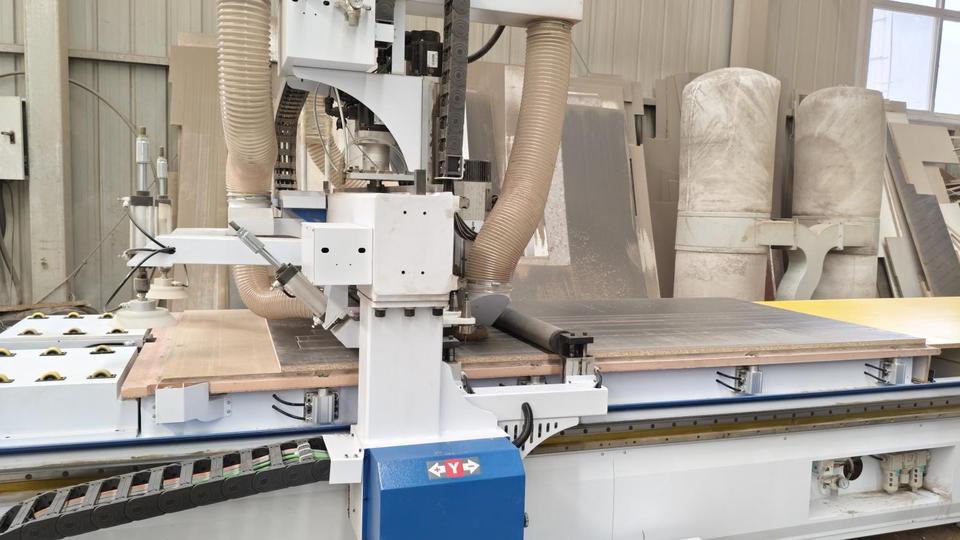
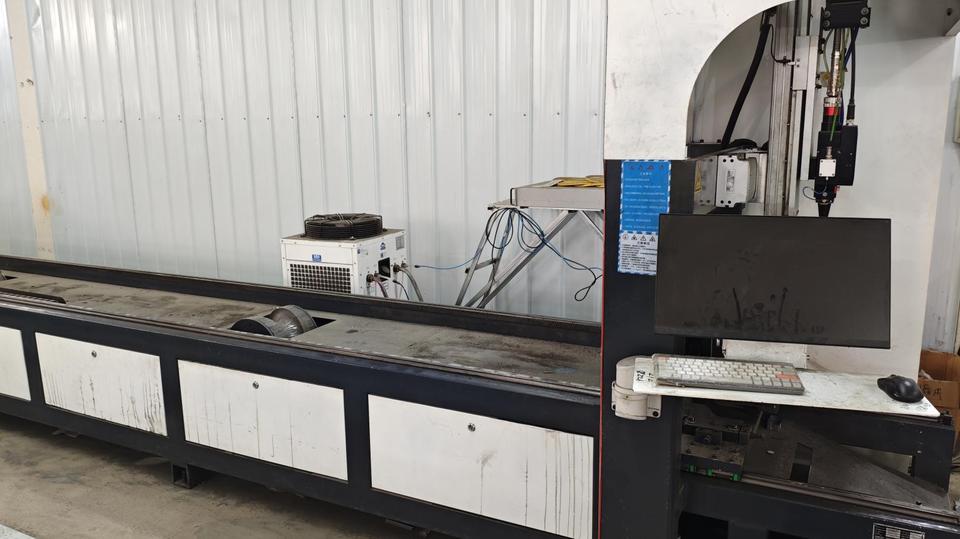
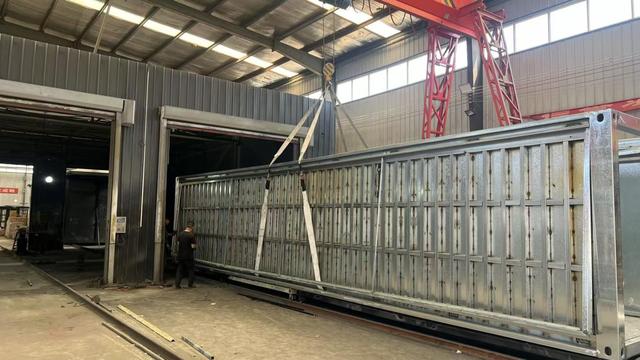
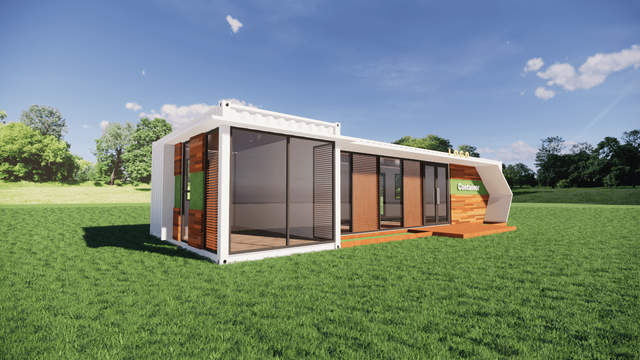
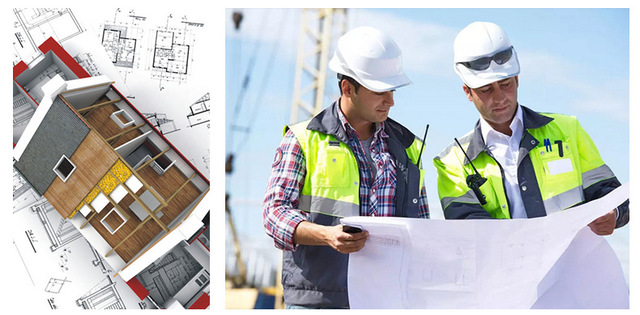
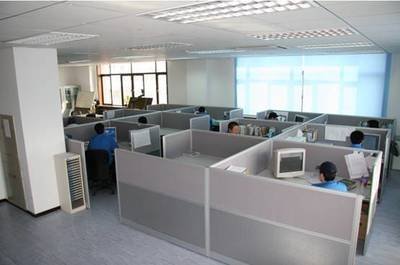
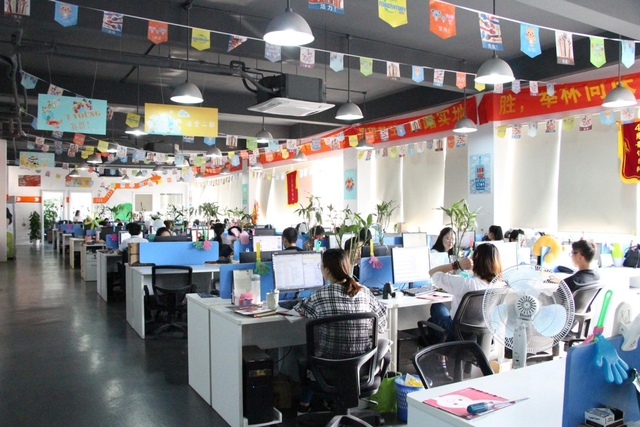
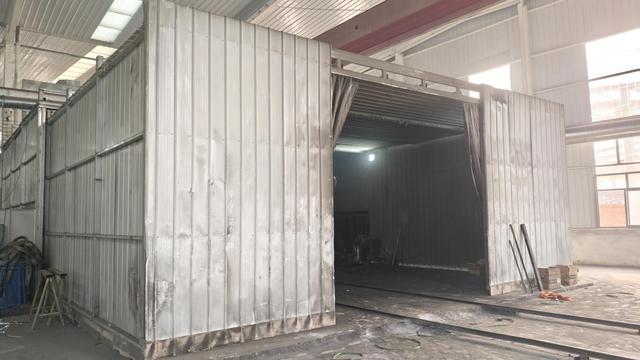
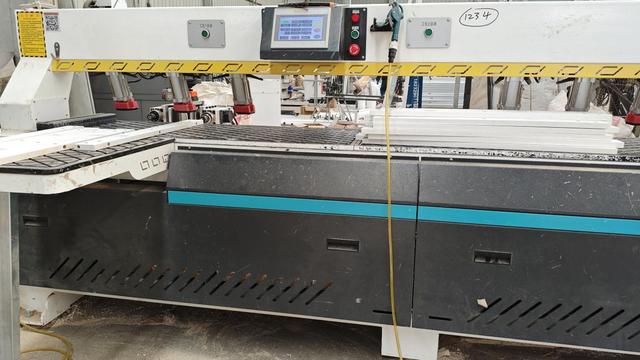
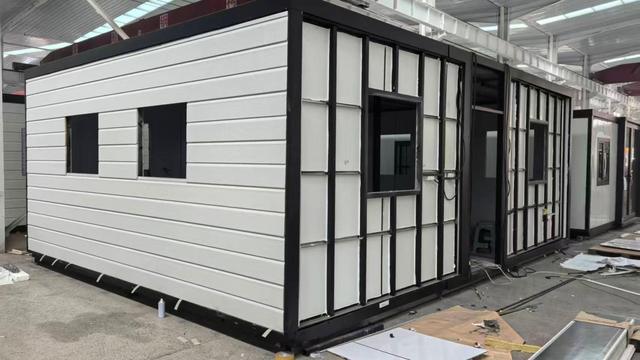
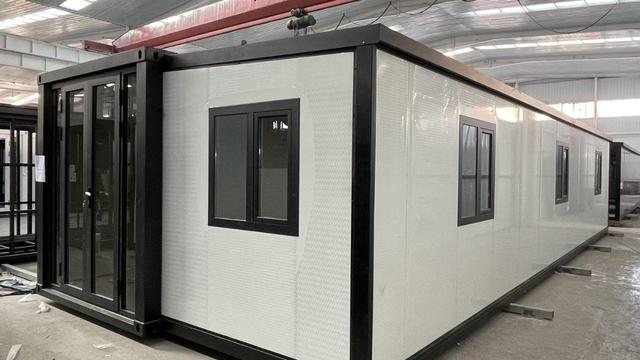
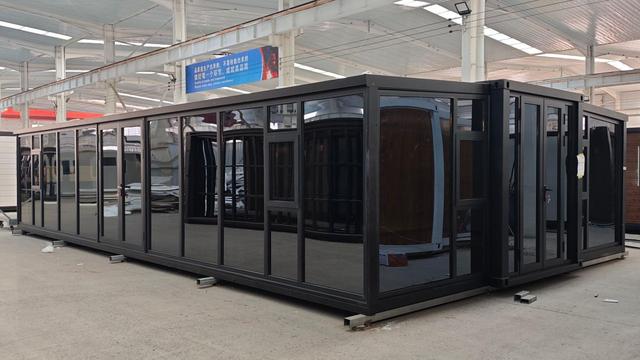
The complete original image set is retained below with responsive display and uncropped image presentation. These visuals support buyer due diligence by showing product forms, manufacturing context, and project reference material without compressing the source image proportions.
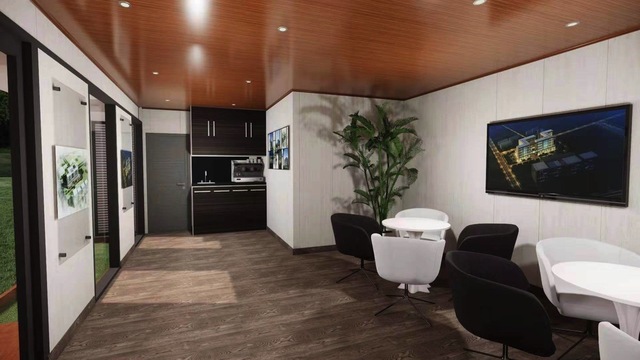
These answers address the questions enterprise buyers commonly ask when comparing Chinese factories, exporters, steel structure suppliers, injection moulding providers, and integrated container house manufacturers for Novosibirsk delivery.
Yes, but the package should be engineered rather than assumed. Buyers should confirm insulation continuity, thermal bridging, low-temperature seal performance, steel specifications, coating durability, snow load, wind pressure, condensation control, and foundation interface details with qualified project engineers. A factory can support the component design and manufacturing, but local conditions and final compliance remain project-specific.
A practical kit usually includes structural steel frames, corner and connection details, floor and wall panels, roof components, doors and windows, fasteners, seals, trim, MEP brackets, labelled packaging, and an installation sequence. For cold-climate projects, the kit should also define thermal break details, snow-load-related connection requirements, and spare seal or retainer packages.
Shipments are commonly planned as containerised mixed loads with steel members, panels, moulded parts, and accessories bundled by assembly stage. Export packing should protect machined surfaces, threads, coatings, and gaskets through rail and road transfer. The buyer should confirm Incoterms, port of loading, container loading plan, labels, and destination responsibilities before production is released.
Yes. The portfolio includes OEM/ODM injection mould services, custom steel fabrication with laser cutting, anodizing aluminium components, high-precision plastic components, steel structure fabrication, and modular prefab components. Custom work should begin with drawings, material requirements, quantities, inspection expectations, packaging, and delivery schedule.
Verification depends on the component and drawing. It can include calibrated measuring tools, jigs, first-article checks, dimensional reports, interface trials, and pre-fit validation. Buyers should specify which dimensions are critical, how they will be inspected, and whether inspection reports or third-party witnessing are required.
Provide project location, building layout, occupancy, snow and wind assumptions, insulation target, foundation assumptions, drawings or reference images, component quantities, MEP needs, delivery destination, required Incoterms, preferred container loading method, documentation requirements, and expected schedule. The clearer the BOM and technical interfaces, the faster and more accurate the quotation.
Key actions include bundling by assembly stage, edge protection, moisture barrier, rust-prevention treatment for exposed steel, separate packing for seals and precision parts, clearly labelled packages, and photo documentation before container closing. For critical projects, a loading inspection can be agreed before shipment.
Depending on the project, documents may include commercial invoice, packing list, bill of lading, certificate of origin, material or inspection records, coating records, packing photos, and operating or installation guidance. Import conformity and customs requirements for Russia should be confirmed with the importer and relevant professionals before shipment; generic catalogue statements should not be treated as a guarantee.
The company profile covers design, production, processing, customization, sales, and construction, with an independent R&D team and professional construction team. For remote projects, the practical scope should be agreed clearly in the contract, including drawing coordination, inspection, packing, shipping documents, installation guidance, and after-sales spare-parts support.
Send drawings, target quantities, climate requirements, and delivery expectations to start a factory-direct technical review.
This final eight-product portfolio completes the original catalogue content. It is arranged in two desktop rows of four products, with responsive full-row behaviour on tablet and mobile so that no product card is left as a lone orphan item. All original product URLs, images, titles, and links are retained.
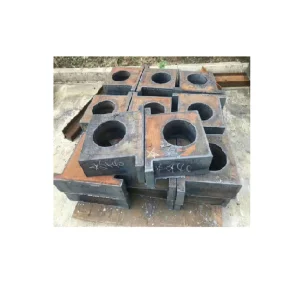
Custom Steel Components Fabrication with Laser Cutting Metal Service
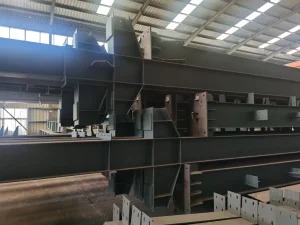
Professional Export of Extra-Thick Steel Structure Buildings and Components

Welded Steel Structure with Difficult Process Steel Components

Metal Injection Molding OEM Component for Various Applications
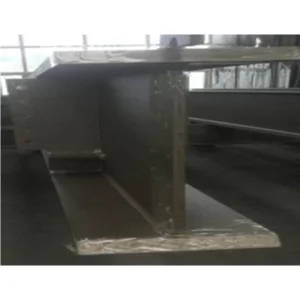
Bolted Steel Structure Component for Quick Assembly Structures Steel Structure Component

Durable OEM Metal Injection Molding Component for Various Applications
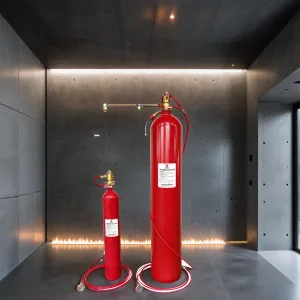
High Pressure CO2 Fire Suppression with Stainless Steel Components
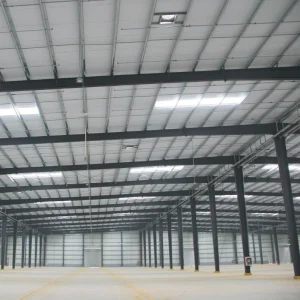
 BYT Homes