Explore our flagship configurations featuring resilient steel architecture and integrated smart utility systems
Analyzing the strategic convergence of structural speed, climate resilience, and supply chain maturity in temporary shelter systems.
In an era defined by rapid geopolitical changes, environmental transitions, and industrial expansions in remote zones, the demand for fast-deployable, resilient, and energy-sufficient temporary structures has surged exponentially. Today's global enterprises, NGOs, and municipal authorities no longer view temporary shelters as basic canvas tents or rudimentary plywood assemblies. Instead, modular designs built from high-strength light steel frames and repurposed ISO shipping containers have emerged as the gold standard.
To meet this transformation, OEM/ODM temporary shelter designs must fulfill a diverse range of requirements. Designers need to ensure structural integrity in high-seismic zones while maintaining thermal insulation and transport efficiency. Achieving this balance requires an integrated approach that merges civil engineering, advanced material science, and custom digital modeling.
Shanghai BYT Homes Co., Ltd. — Global Pioneer of Advanced Expandable and Folding Container Architecture.
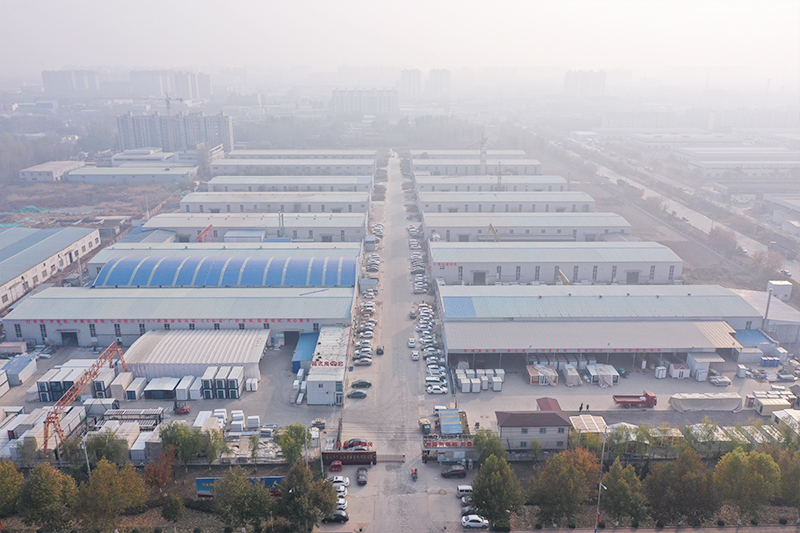
Shanghai BYT Homes Co., Ltd. is a comprehensive enterprise integrating design, production, processing, customization, sales, and construction. The company is located in Shanghai, China. We focus on the production and manufacturing of double-wing expansion houses, quick-assembled container houses, and folding container houses.
Our integrated house products have been exported to more than 60 countries and regions worldwide, earning wide recognition and trust from global customers. The company has a strong independent R&D team and a professional construction team, enabling us to provide customers with a full range of customized solutions to meet diverse and high-standard project requirements.
Shanghai BYT Homes Co., Ltd. has always adhered to the corporate philosophy of “quality first, honest operation,” pursuing excellence with craftsmanship. We firmly believe that every transaction marks the beginning of long-term cooperation, and our service never ends. We sincerely look forward to working with you to create a better future!
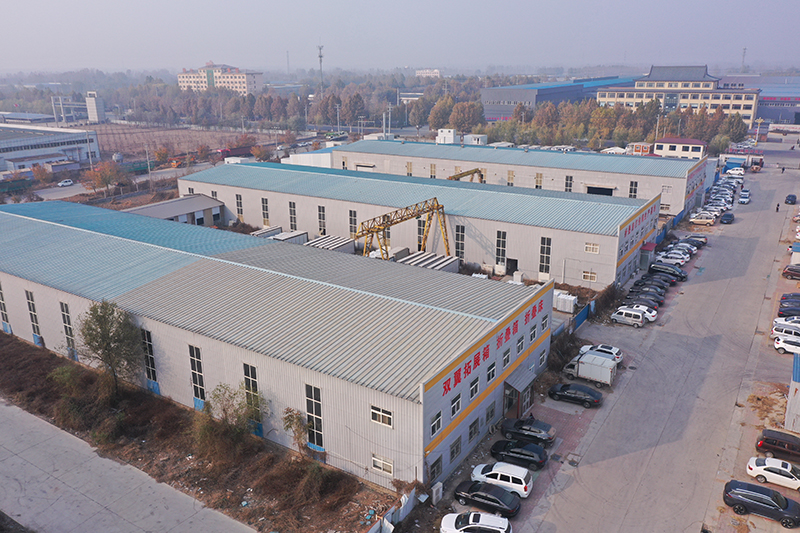
Exploring the precise mechanical and chemical frameworks behind modular structures
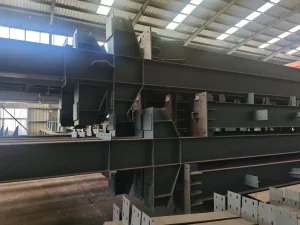
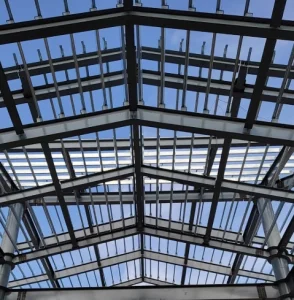
Using cold-rolled hot-dip galvanized steel frames allows the structures to achieve load bearings exceeding 2.5 kN/m² and wind resistance capacities up to 120 km/h. High-thickness steel ensures structures remain structurally sound during seismological disruptions.
OEM insulation options include PU (polyurethane), Rockwool, and EPS panels. High thermal envelope calculations prevent thermal bridging, keeping internal climates regulated under sub-zero or desert conditions.
Patented corner fittings and fast-locking connector bolts allow modules to stack up to three levels high or expand laterally into expansive communal spaces. This facilitates quick adjustments on site.
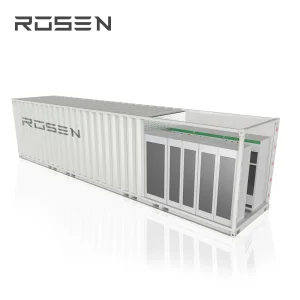
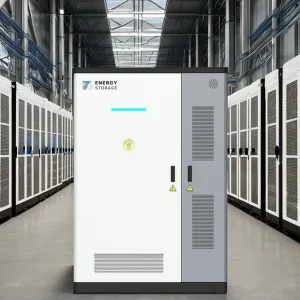
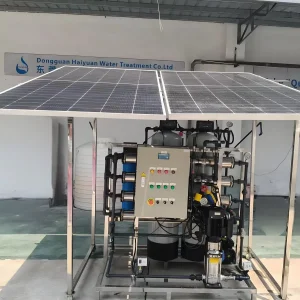
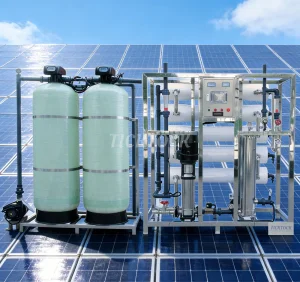
Modern temporary shelter sites must operate independently of local utility grids. This requires integrating off-grid energy storage (using high-voltage LiFePO4 battery cabinets) and reverse osmosis solar-powered water desalination systems.
These technologies transform simple shelters into fully self-sustaining ecosystems. This setup ensures access to power and clean water in remote industrial projects, mining sites, and emergency zones.
Why modern global supply chains rely on Chinese fabrication ecosystems for scale, cost, and technological precision.
China's modular housing sector represents a sophisticated combination of material supply chains, structural engineering, and manufacturing logistics. Centered in hubs like Shanghai, factories access a robust industrial ecosystem. This infrastructure supports high-volume, rapid-delivery cycles that local manufacturers elsewhere find difficult to match.
Proximity to advanced domestic steel foundries allows for precise control over alloy specifications and galvanization quality. This ensures consistent compliance with global structural standards (such as EN-1090 and ASTM).
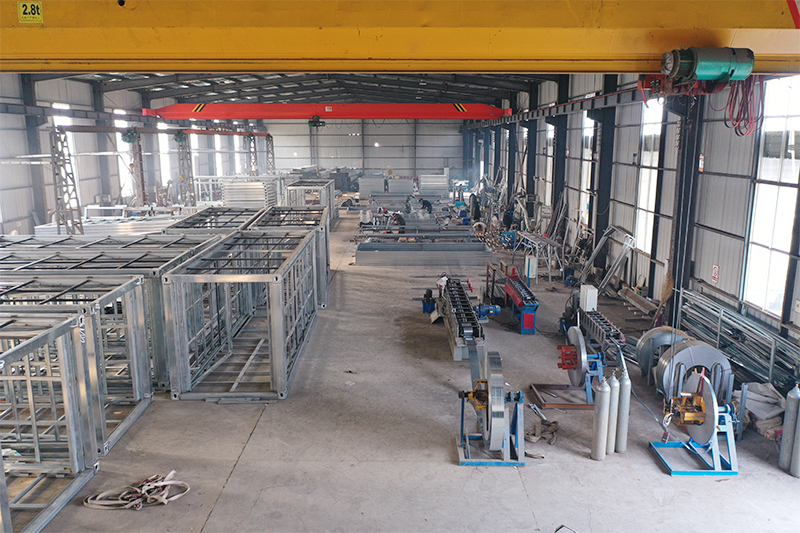
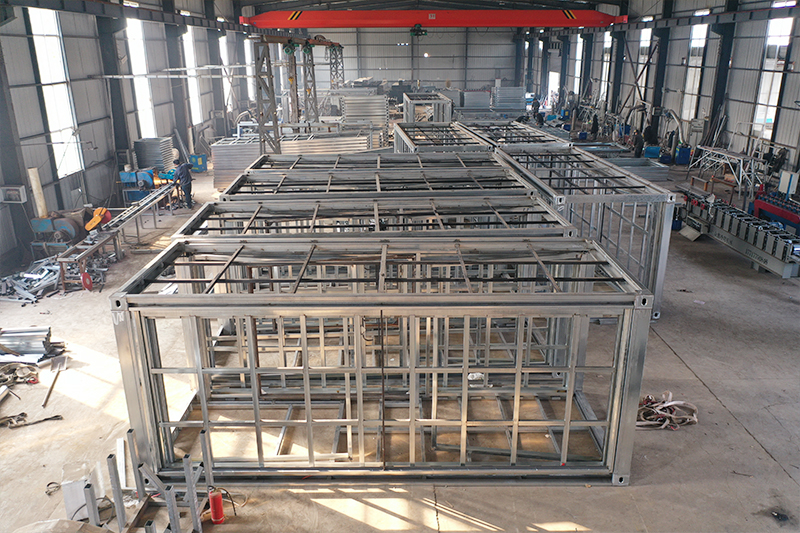
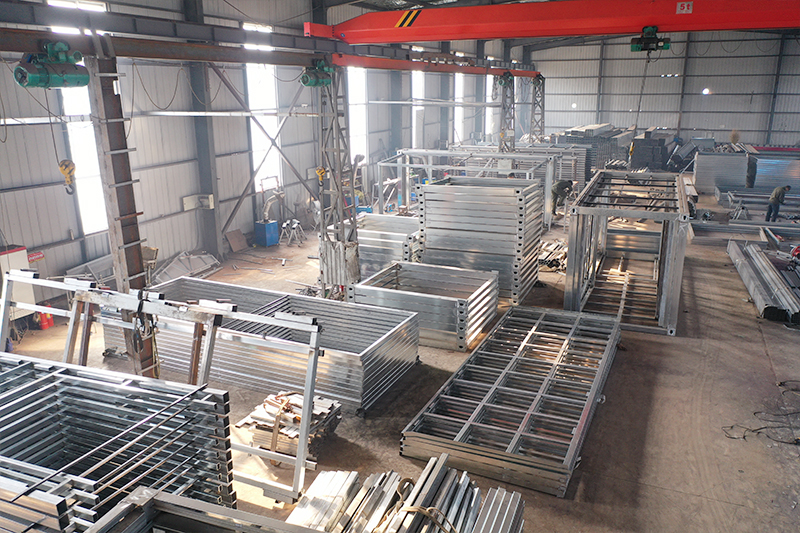
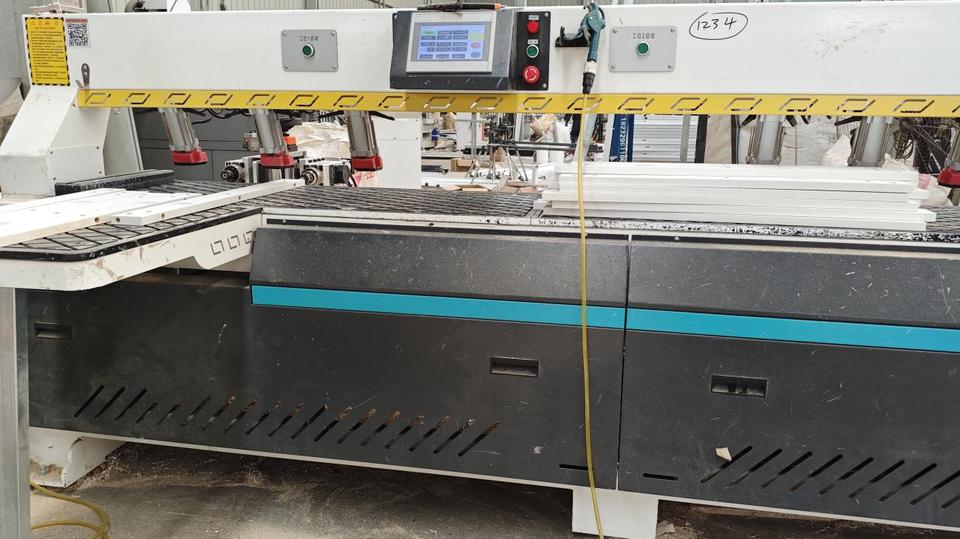
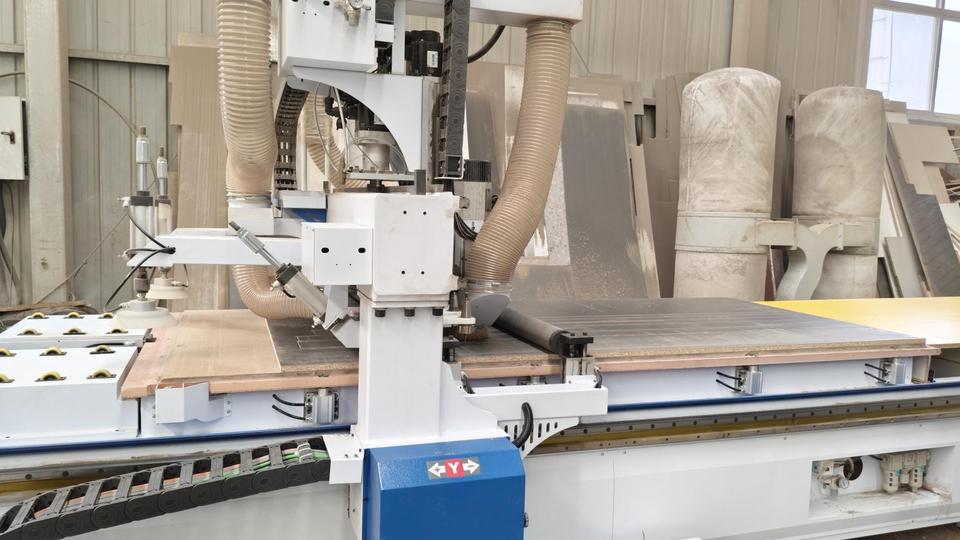
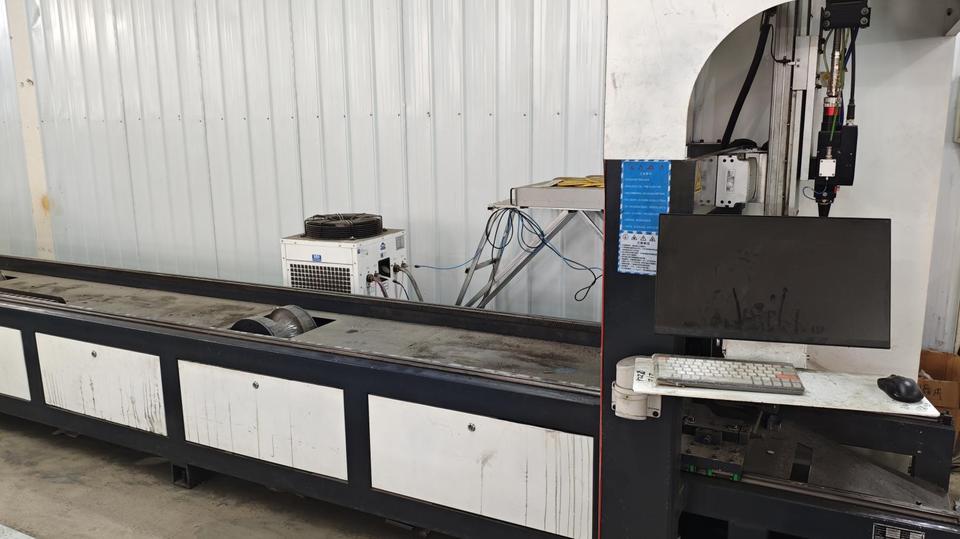
Utilizing CNC profiling, laser structural cutting, and robotic welding stations minimizes human error. This approach guarantees alignment down to the millimeter for wall panels, structural beams, and double-wing expandable mechanisms.
Shanghai's deepwater ports facilitate smooth transport logistics. Direct container shipping routes from Shanghai reduce transit times and shipping costs for heavy modular building components.
Customizing modular design configurations to match specific regional climates and operational challenges.
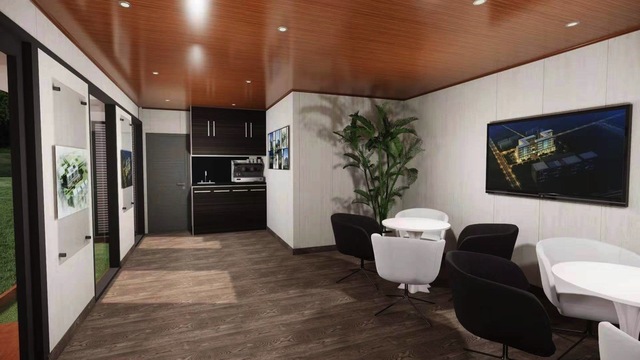
Designed for remote regions like Western Australia or the Atacama Desert. These modules integrate heavy steel frames, thick thermal insulation, and dedicated modular office spaces. Off-grid battery storage systems provide consistent power for operations.
Used by humanitarian organizations and civil defense units. Lightweight steel frames and quick-folding mechanisms allow site completion in under 24 hours. The surfaces use anti-microbial coatings to simplify sanitation in medical shelters.
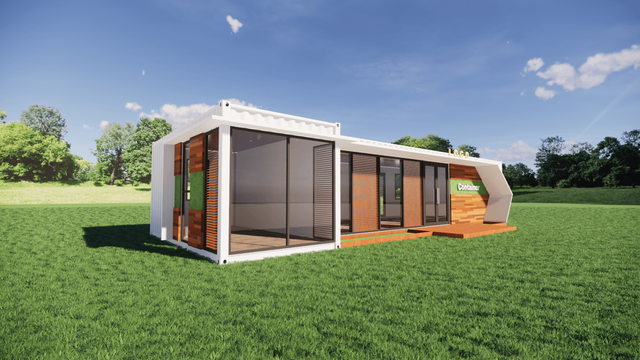
Designed for commercial projects that benefit from premium aesthetics, double-glazed glass walls, and low-carbon materials. Using modular steel frames and off-grid utilities enables high-end lodging in ecologically sensitive areas.
Navigating standards, certifications, and compliance for seamless border transit and local permits.
Procuring temporary shelters requires careful planning. International project managers must account for regional building codes, fire safety certifications, electrical safety regulations (such as UL, CE, and AS/NZS), and shipping weight configurations.
Shanghai BYT Homes addresses these demands by implementing strict QC processes. Every container frame is pre-assembled, structurally verified, and matched with the correct documentation prior to export. This attention to compliance helps prevent delays at customs and simplifies the process of obtaining local occupancy permits.
Green building materials, integrated battery energy storage, and smart telemetry.
The modular housing industry is evolving toward sustainability. Key trends include using recyclable materials, reducing reliance on carbon-intensive logistics, and adopting digital workflows like Building Information Modeling (BIM) during the early design stages.
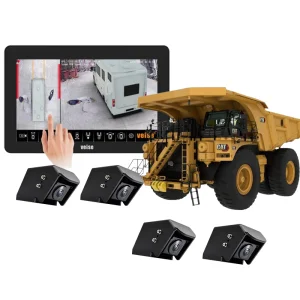
Additionally, modern shelters are incorporating advanced telemetry systems. Features like HD 360-degree surrounding camera monitors and integrated solar microgrids allow remote teams to track system status and manage energy and water reserves. This capability helps ensure consistent operation for critical infrastructure.
Technical answers to common B2B procurement queries regarding modular shelter deployment
Lead times typically range from 20 to 35 days, depending on structural customization and complexity. For standard container frames or double-wing expansion houses, production schedules can be accelerated. This timeline includes structural engineering calculations, steel component fabrication, sandblasting, paint coating, interior electrical prep, and packing.
Our structures are engineered for diverse climates. Utilizing thick polyurethane (PU) or Rockwool insulation panels prevents cold-bridging down to -30°C. Standard models handle wind loads up to 110-120 km/h (equivalent to Category 12 typhoons) and roof snow loads up to 1.5 kN/m². Heavy steel structures are available for regions with higher seismic risk or severe snow requirements.
Yes. We design and integrate hybrid off-grid systems. This includes high-voltage LiFePO4 battery cabinets (241kWh/300kWh/500kWh) and CE-certified solar-powered reverse osmosis (RO) desalination units. These utilities are shipped alongside the container panels to simplify installation at remote sites.
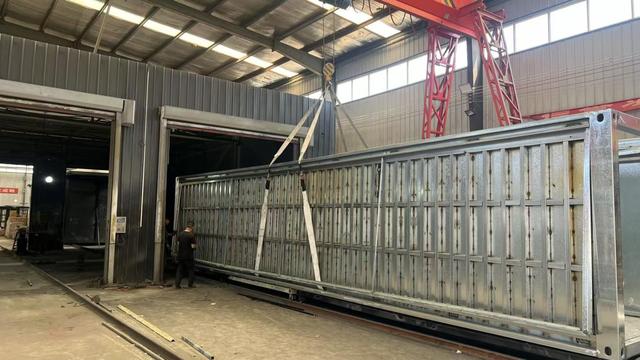
For folding and expandable container units, assembly requires minimal tools. Standard installations require a small crane or forklift (minimum 3-ton capacity) to lift the roof frame, allowing the side panels to unfold. The structure is then secured with heavy-duty bolts and sealant. A team of four workers can complete a standard double-wing house in under two hours.
Yes. All electrical circuits, outlets, DB boards, and plumbing connections are pre-wired and tested during assembly at our Shanghai facility. Customers can request wiring configurations matching local standards, including CE/IEC (Europe), AS/NZS (Australia), and UL/NEC (North America), to ensure compliance upon arrival.
Support equipment and modular structures for off-grid operations and industrial projects
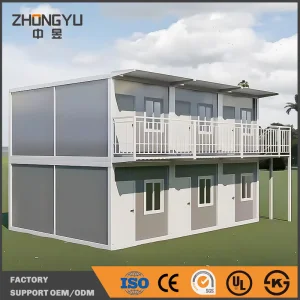
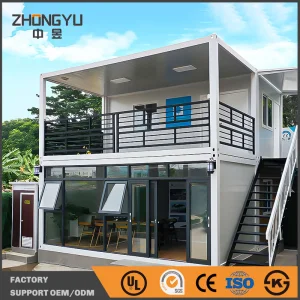
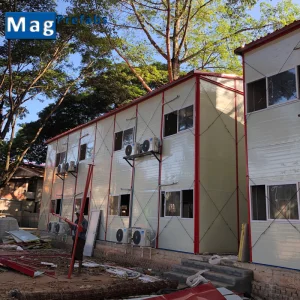
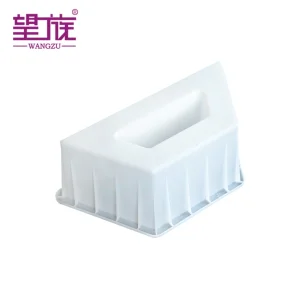
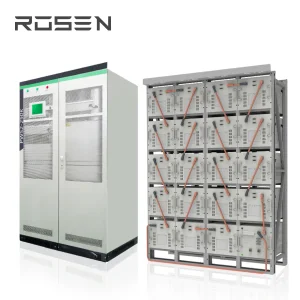
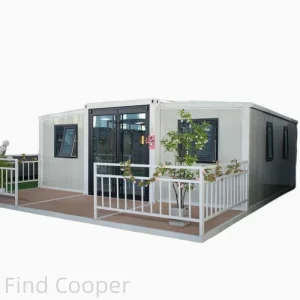
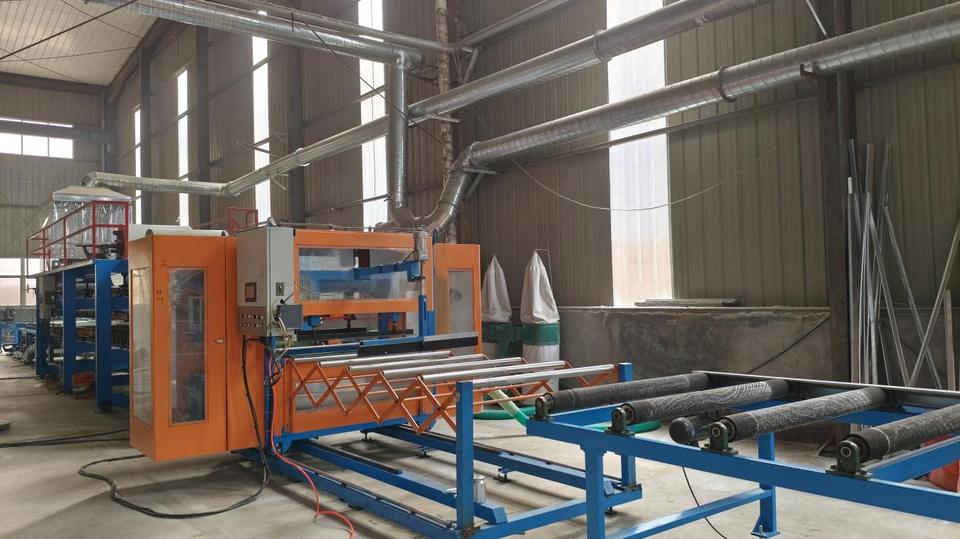
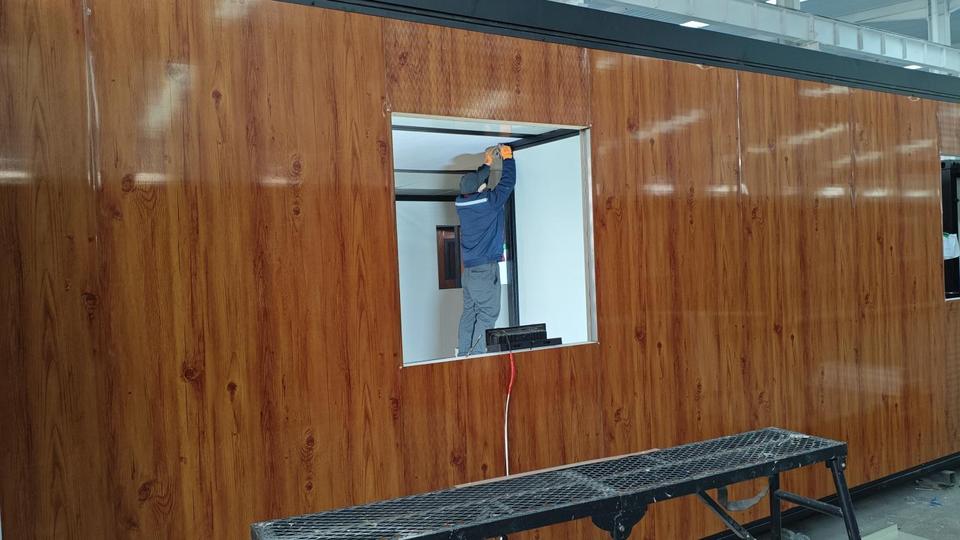
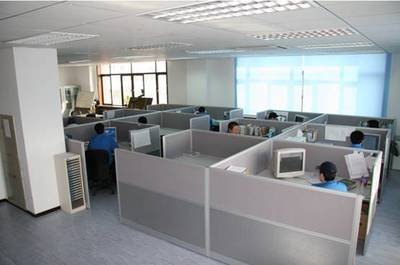
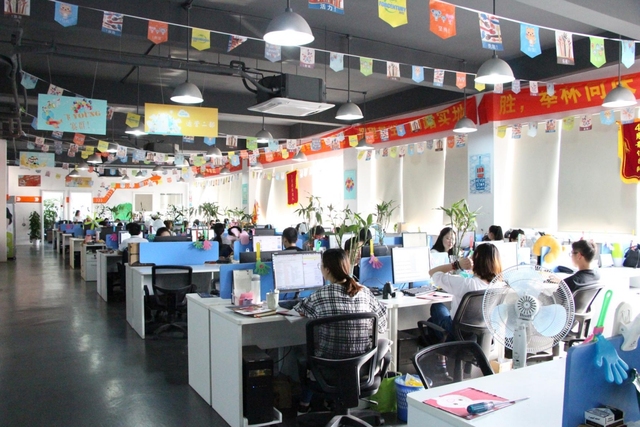
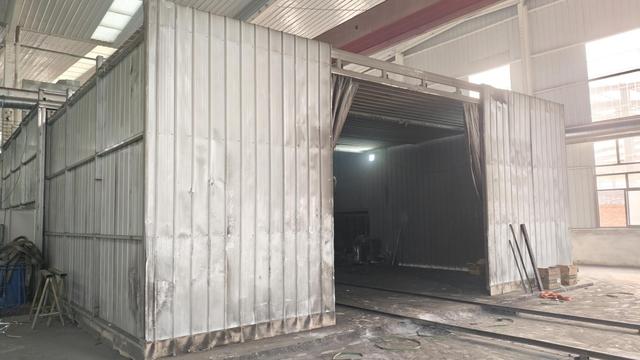
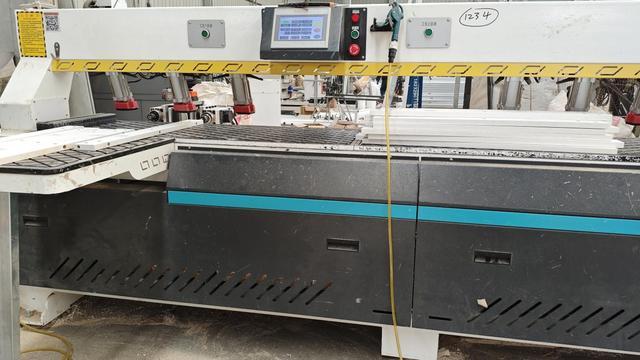
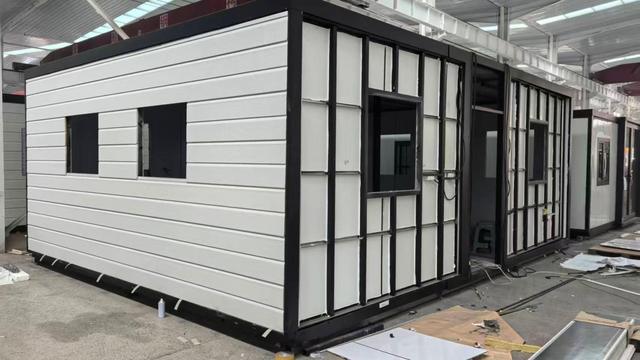
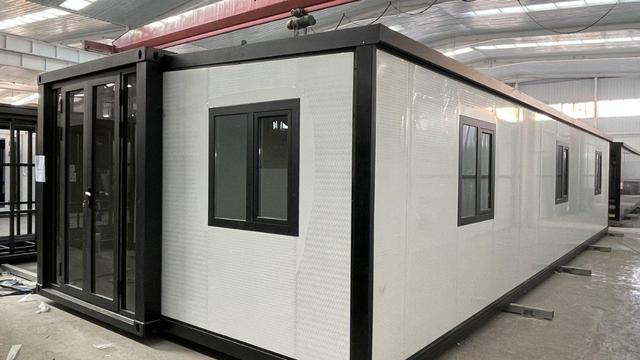
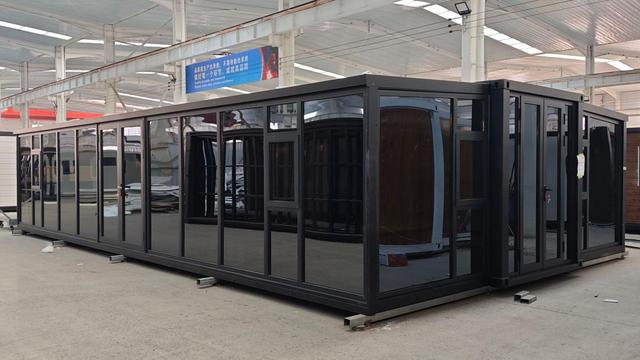
A visual overview of our fabrication workshops, structural assembly lines, and project delivery sites.
 BYT Homes