Advanced modular systems and industrial components for modern construction.
Industry Insights, Technical Roadmaps, and Global Strategic Analysis
In the contemporary landscape of global trade and modular architecture, the demand for China top insulation solutions for containers has transcended beyond basic thermal protection. Today, insulation is a critical component of structural integrity, energy efficiency, and occupant safety. As lead manufacturers and factories, we recognize that the difference between a standard container and a high-performance modular unit lies in the sophisticated application of thermal science.
This deep dive explores the macro-industrial shift toward sustainable modular living, the technical requirements of enterprise-level procurement, and how Shanghai BYT Homes Co., Ltd. is pioneering the next generation of insulated container systems.
Enterprises in the EU, North America, and Southeast Asia are increasingly prioritizing U-values and R-values. The shift is moving from simple cold-chain logistics to "Human-Centric Design" where thermal comfort is non-negotiable for modular offices and worker camps.
Our solutions meet rigorous international standards including ISO 9001, CE, and fire safety ratings (Class A1). For global factories, ensuring that insulation materials like Rockwool or PIR meet local building codes is paramount for legal and insurance compliance.
High-performance insulation reduces HVAC energy consumption by up to 45%. This is a critical "Information Gain" for developers looking to achieve LEED or BREEAM certifications in modular housing projects.
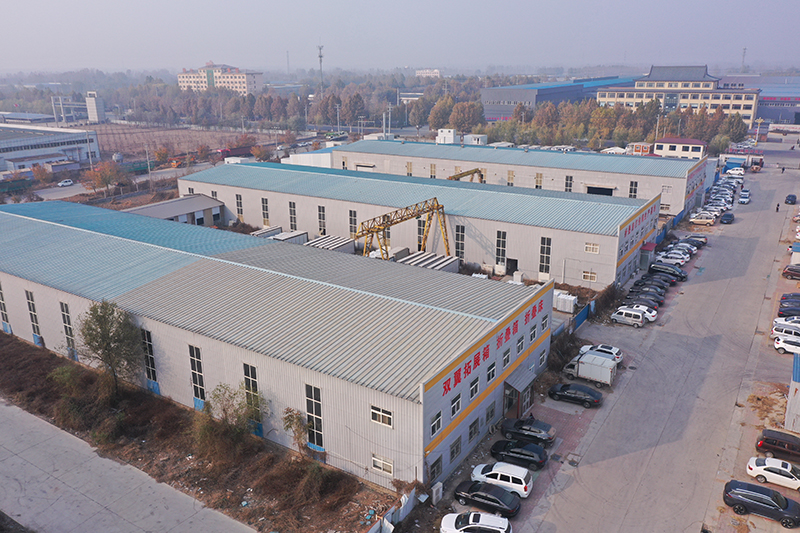
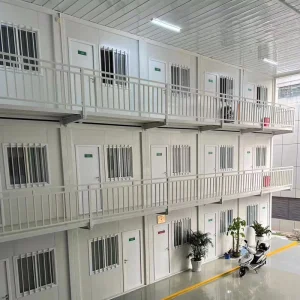
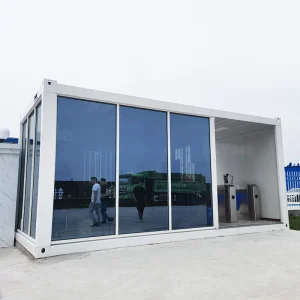
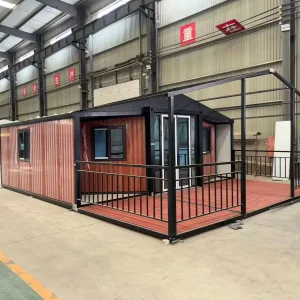
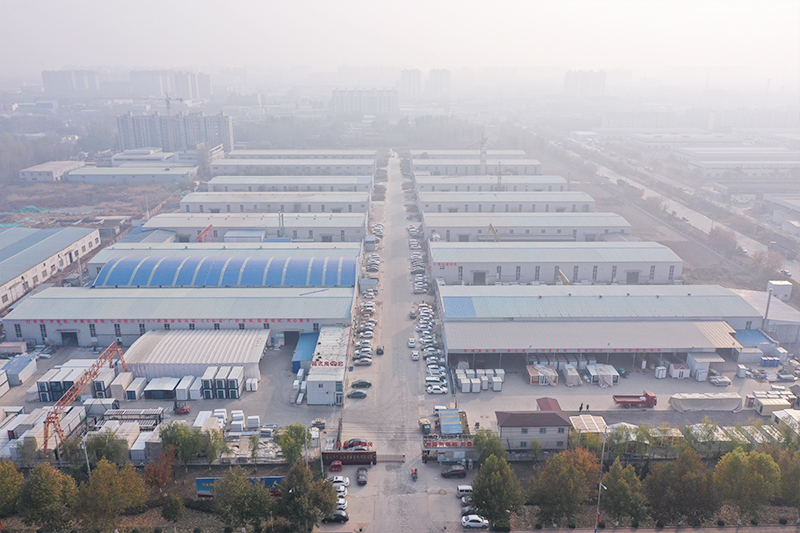
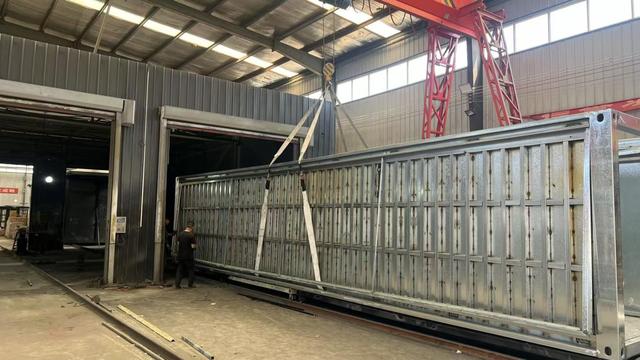
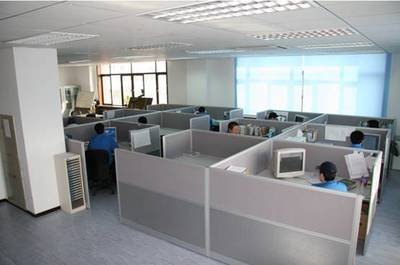
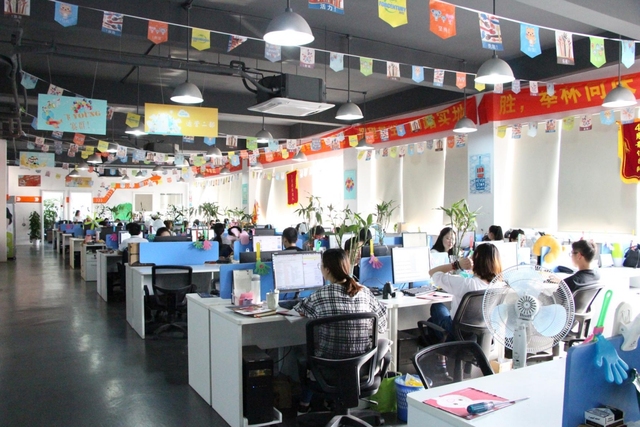
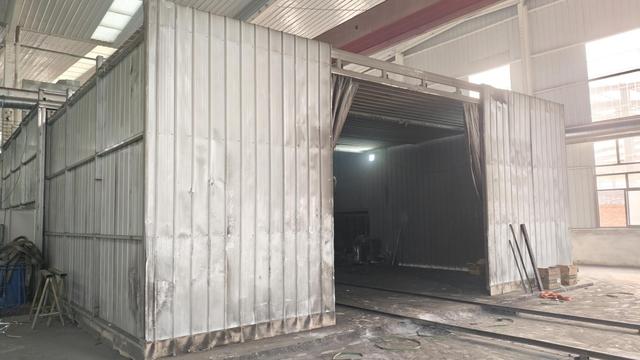
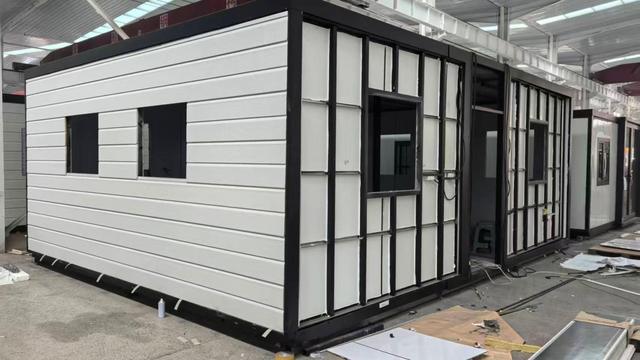
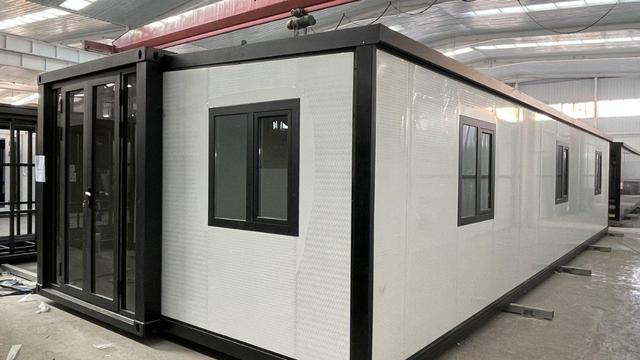
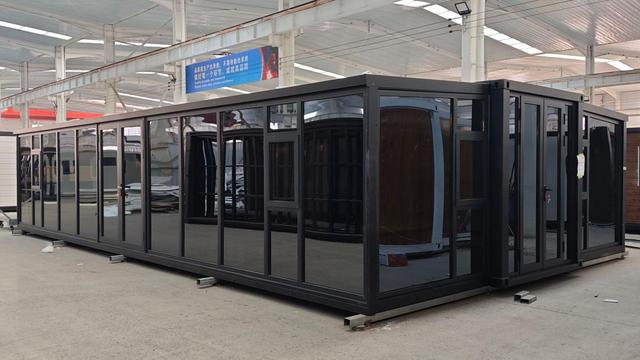
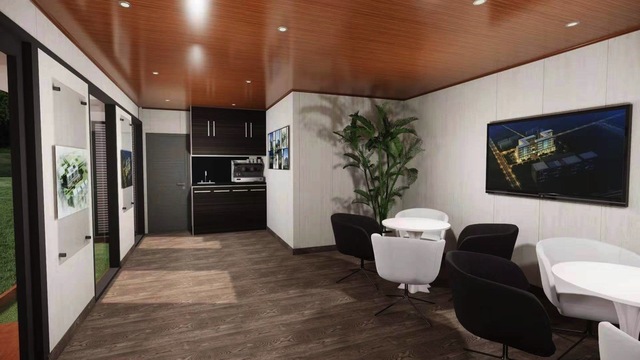
Shanghai BYT Homes: A hub of advanced modular manufacturing and R&D.
Choosing the right insulation involves balancing thickness, fire resistance, and thermal conductivity. Below is a strategic guide for industrial buyers.
| Material Type | Thermal Conductivity (W/m·K) | Fire Rating | Best Use Case |
|---|---|---|---|
| High-Density Rock Wool | 0.035 - 0.040 | Class A1 (Non-combustible) | Industrial Warehouses, Worker Accommodation |
| Polyurethane (PU/PIR) | 0.019 - 0.024 | Class B1/B2 | Cold Storage, Luxury Container Homes |
| Glass Wool | 0.032 - 0.044 | Class A | Acoustic insulation, Light modular structures |
| EPS (Expandable Polystyrene) | 0.033 - 0.041 | Class B | Economic temporary housing, Fast-assembly units |
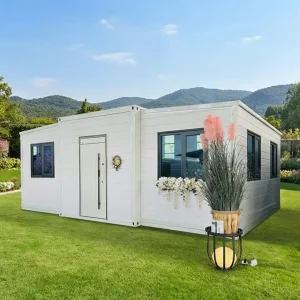
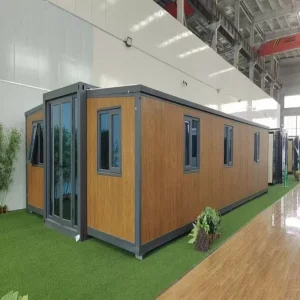
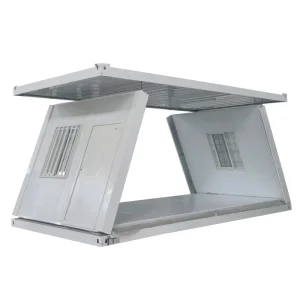
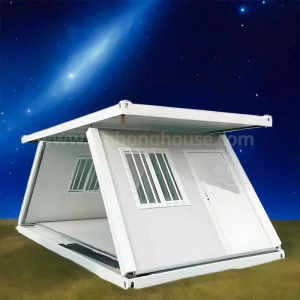
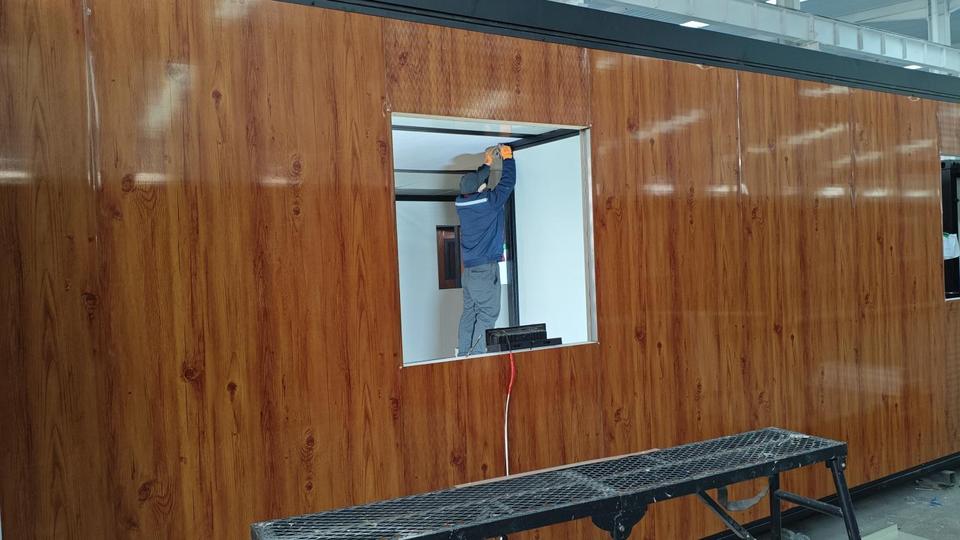
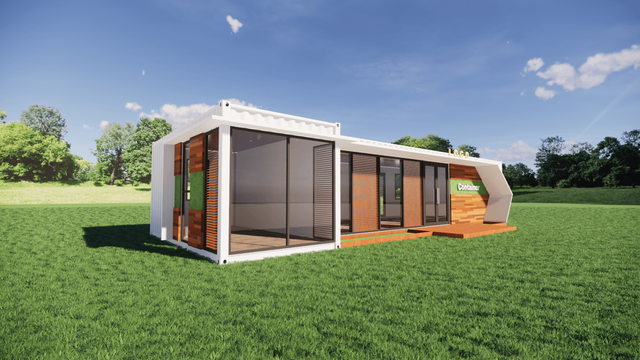
Shanghai BYT Homes specializes in double-wing expansion houses. These structures present unique thermal challenges at the folding joints. Our proprietary sealing technology ensures that the insulation layer remains continuous even after multiple deployment cycles, preventing thermal bridging—a common flaw in lower-tier modular products.
Quality First, Craftsmanship Always
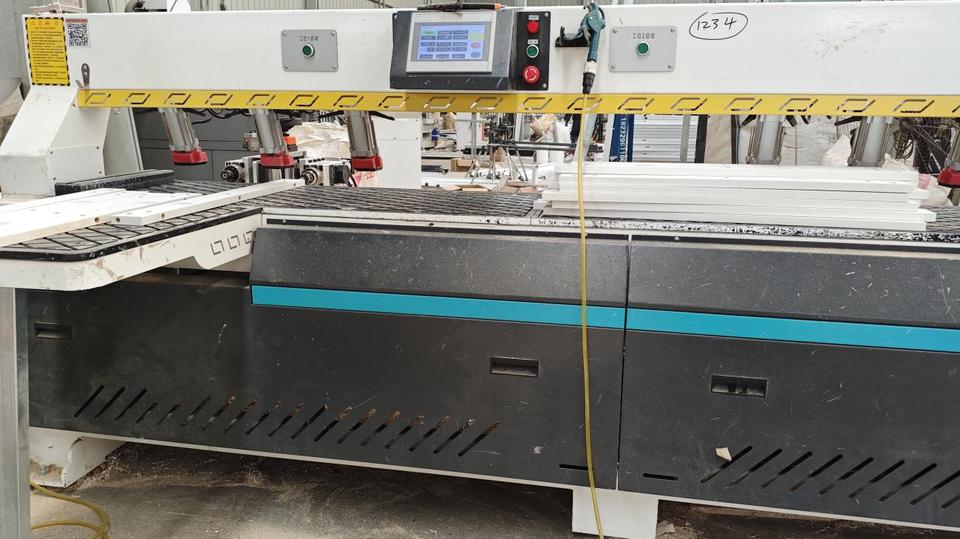
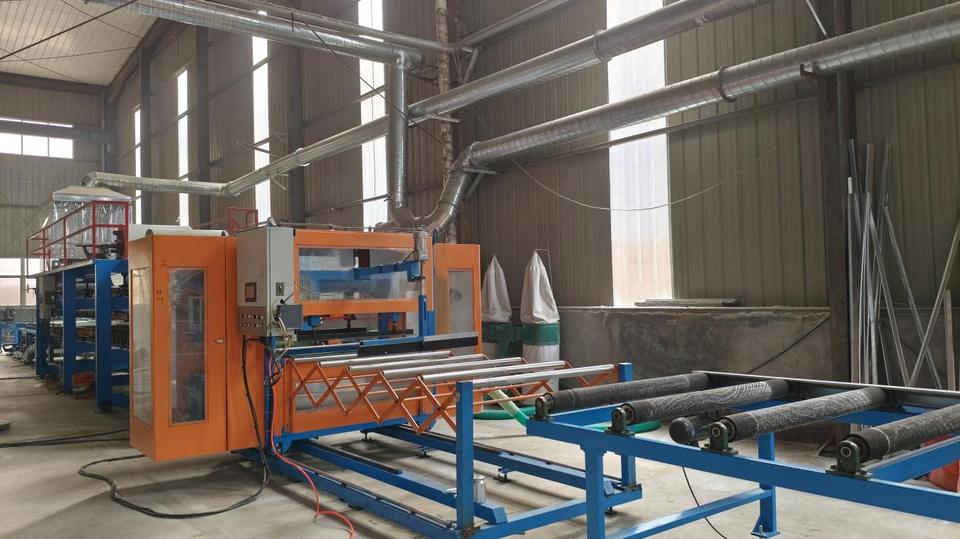
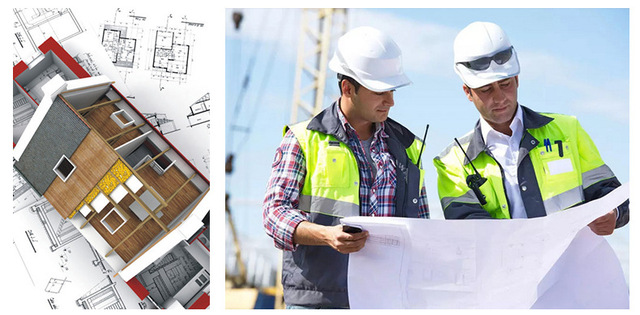
Shanghai BYT Homes Co., Ltd. is a comprehensive enterprise integrating design, production, processing, customization, sales, and construction. Located in the industrial heart of Shanghai, China, we are at the forefront of the modular revolution.
Our expertise spans across:
We firmly believe that every transaction marks the beginning of long-term cooperation, and our service never ends. We sincerely look forward to working with you to create a better future!
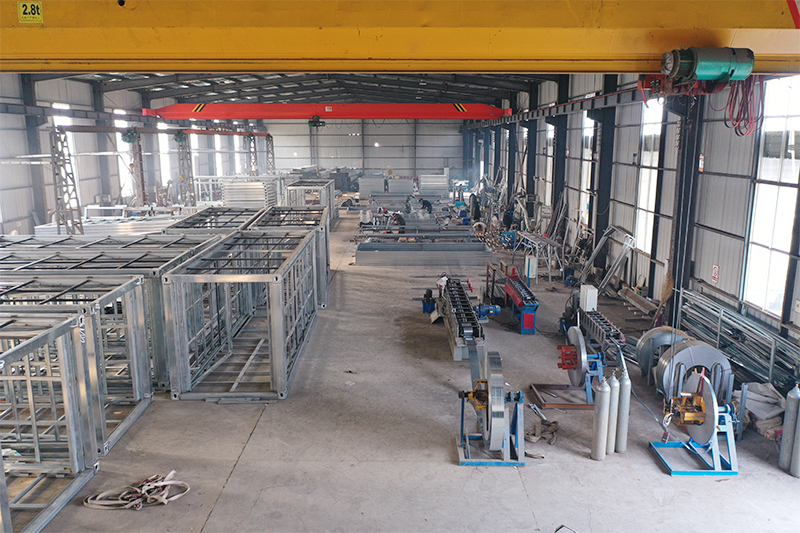
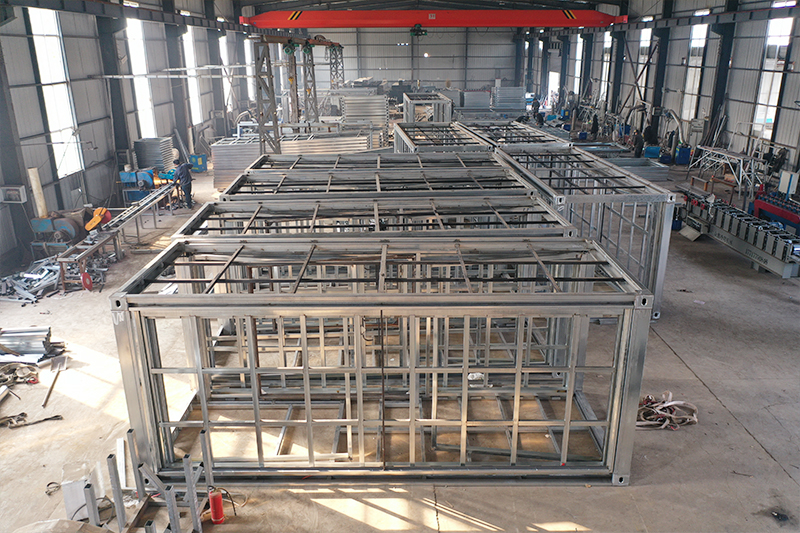
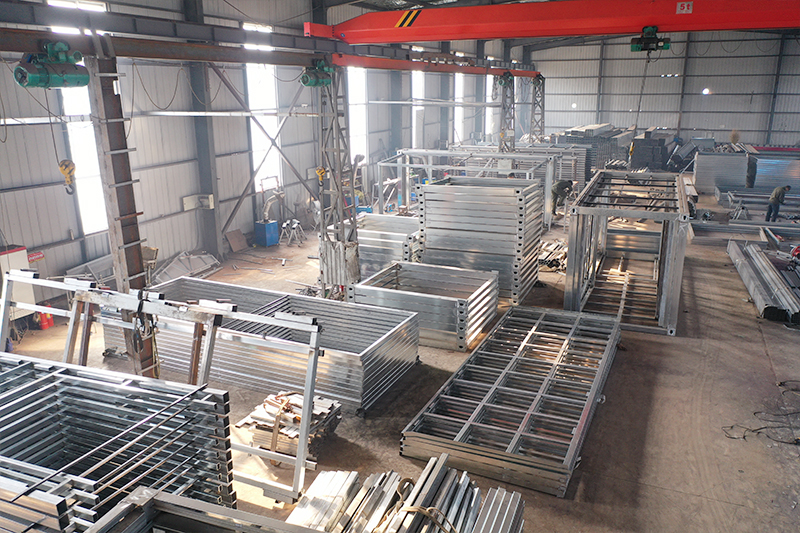
The next decade of modular architecture will be defined by "Active Insulation."
Integration of IoT sensors within the insulation layers to monitor humidity and heat flux in real-time, allowing automated HVAC systems to optimize energy use before the user even feels a temperature change.
Future insulation will be derived from 100% recycled plastics or bio-materials, maintaining high R-values while reducing the carbon footprint of the manufacturing process to near zero.
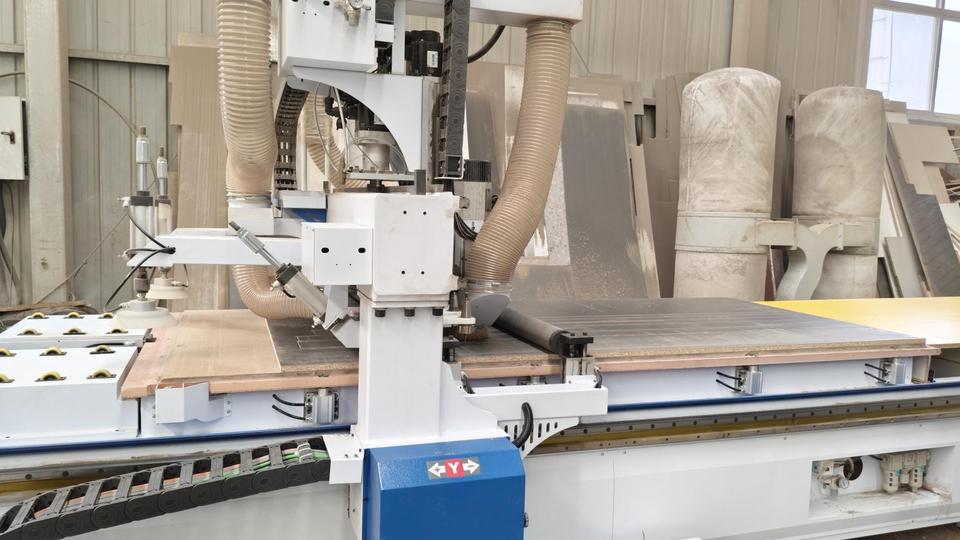
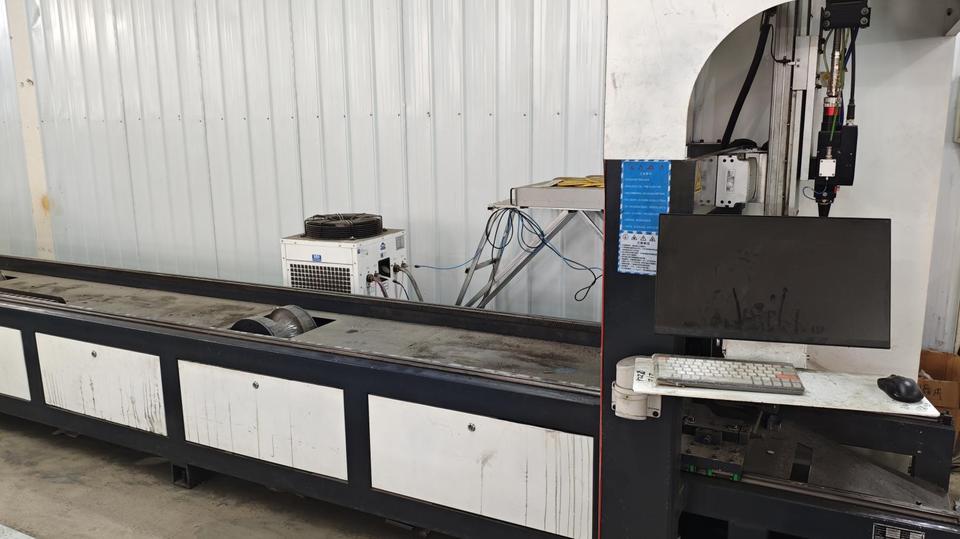
Addressing the most critical concerns in container insulation and modular construction.
We utilize a multi-layer vapor barrier system integrated with the insulation panels. This prevents warm, moist air from reaching cold structural steel, eliminating the risk of hidden mold and rust.
Our high-density Rockwool and PIR systems are designed for a 25-year lifespan, matching the structural integrity of the container frame itself, provided regular exterior maintenance is performed.
Yes. For extreme environments, we offer thickened 100mm-150mm composite panels and thermal-break window systems to ensure internal stability regardless of external conditions.
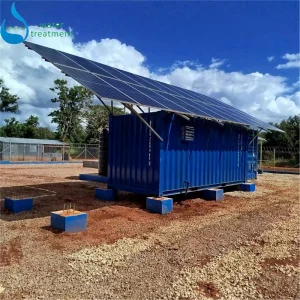
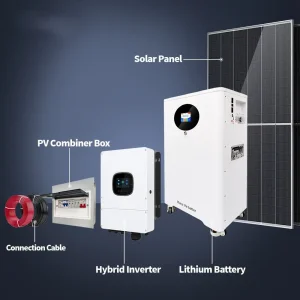
Absolutely. Many of our units, such as the 6kw Solar Power System modules, are pre-engineered to support solar panel weight and wiring, ensuring the insulation is not compromised during installation.
Explore our full range of modular and industrial technology solutions.
 BYT Homes