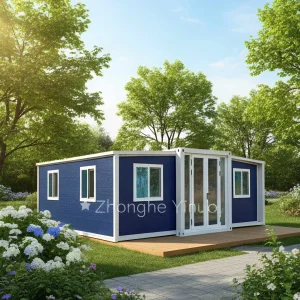
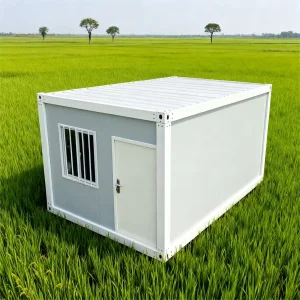
Pioneering standard and expandable containerised architectures engineered for international building codes.
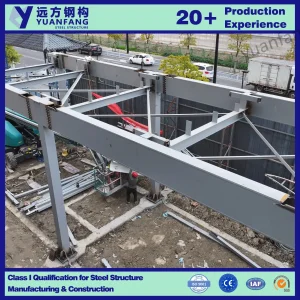
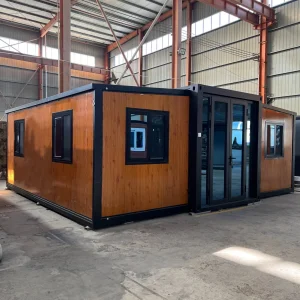
The global construction industry is undergoing an unprecedented transition from traditional, resource-intensive, on-site fabrication to industrialized, high-precision off-site manufacturing (OSM). At the core of this transformation are Container Assembly Systems. Once considered temporary shelter alternatives, modern container structures are now recognized as structurally complex, thermal-bridge-minimized, and seismic-resistant assets. They cater to multi-story housing schemes, heavy industrial enclosures, disaster-relief complexes, and luxury architectural applications.
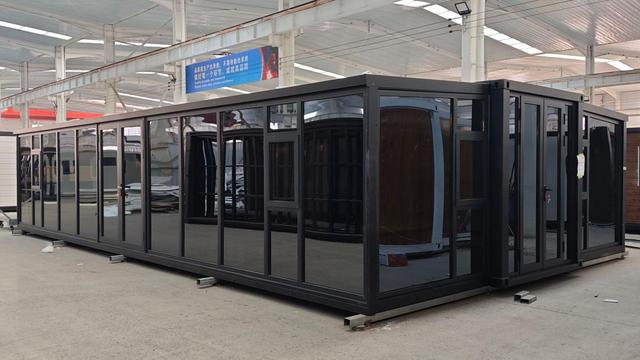
As a dominant force in this sector, Shanghai BYT Homes Co., Ltd. (based in Shanghai, China) integrates cutting-edge engineering design, advanced metallurgy, automated processing, customized finishing, and global logistics execution. By focusing on double-wing expansion systems, fast-assembly modular configurations, and flat-pack collapsible structures, the company bridges the gap between raw manufacturing capacities and the highly regulated compliance requirements of international construction markets.
"According to industrial engineering benchmarks, utilizing standardized container assembly frameworks reduces local site preparation and construction schedules by up to 70%, while decreasing carbon outputs by 35% compared to wet concrete construction methods."
The container assembly systems sector is no longer defined by simple modifications of decommissioned ISO shipping containers. Today's market demands purpose-built, structurally optimized modular panels and frame assemblies. Key development vectors include:
Using advanced algorithms to maximize structural loads and material efficiency, allowing for lighter, stronger galvanized steel profiles and reduced material waste during manufacturing.
Transitioning from standard EPS panels to high-density polyurethane (PU) injection and mineral rockwool paneling to achieve superior R-values for polar and desert climates.
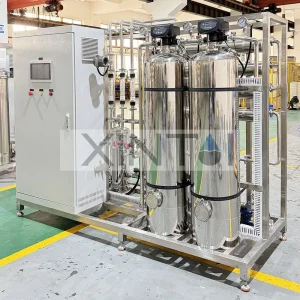
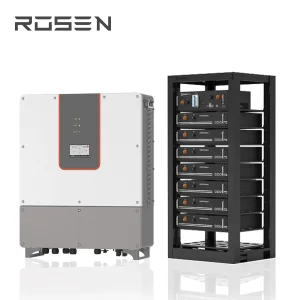
Pre-installing high-capacity solar battery systems, localized gray-water nanofiltration, and smart HVAC controls directly within the core container framework at the factory stage.
This technological convergence makes modular building units highly attractive to complex municipal projects, mining sectors, and hospitality companies worldwide. Modern modular homes must adapt to wind loads exceeding 120 km/h, sustain heavy snow loads in sub-zero zones, and maintain structural integrity under persistent shifting forces during transport.
For international procurement managers, purchasing agents, and EPC (Engineering, Procurement, and Construction) contractors, sourcing container assembly systems from China involves a complex evaluation process. Key procurement priorities include:
| System Type | Primary Materials | Ideal Applications | Key Structural Advantage |
|---|---|---|---|
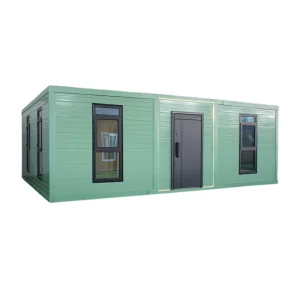
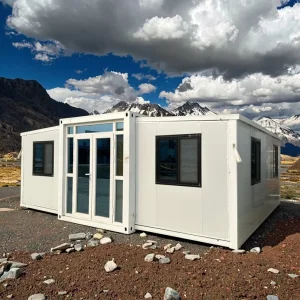
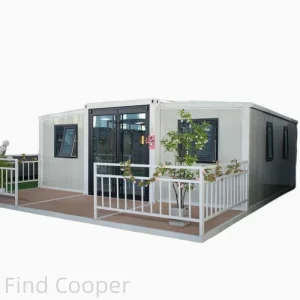
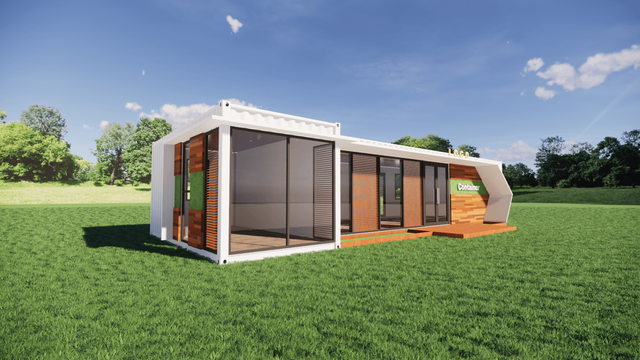
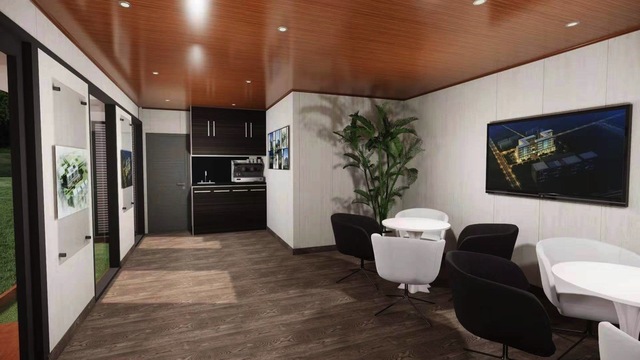
| Double-Wing Expandable House | Galvanized Steel Frame + PU/Rockwool Sandwich Panels | Residential Villas, Mobile Offices, Clinics | Expands usable footprint by 3x within 10 minutes of setup |
| Flat-Pack Container System | Cold-Formed Welded Steel Profiles + EPS Core Panels | Worker Dormitories, Temporary Construction Sites | Highly stackable; optimizes maritime freight space |
| Space Capsule Mobile Pods | Aviation Aluminum Shell + Reinforced Steel Chassis | Eco-tourism Lodging, Luxury Glamping, Micro-Offices | Integrated smart home automation and futuristic aesthetics |
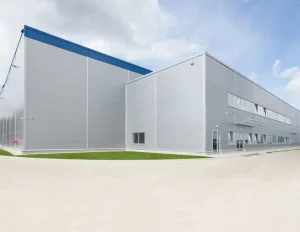
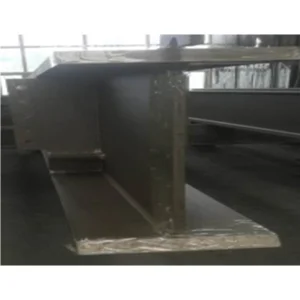
| Heavy Steel Component Assemblies | Q235/Q345 Structural Grade Steel Sections | Industrial Factories, Warehouses, Equipment Shelters | High point-load support and large clear-span capabilities |
Shanghai BYT Homes Co., Ltd. goes beyond standard housing fabrication. They offer macro-level architectural and engineering solutions that integrate into complex municipal, commercial, and industrial ecosystems:
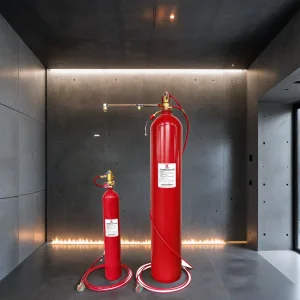
For remote extraction projects (mining, oil, and gas sectors), providing rapid, structural worker dormitories is essential. By utilizing multi-storey flat-pack frameworks with robust soundproofing and fireproofing, projects can support thousands of workers in safe, insulated environments.
In rural or infrastructure-scarce zones, container units are paired with solar battery storage (e.g., LiFePO4 solar storage systems) and containerized water purification packages (e.g., nanofiltration units). This approach turns isolated modular spaces into self-sustaining, long-term living and working facilities.
As urban density increases, developers use lightweight steel structural frames, structural villas, and smart modular capsule pods to construct rooftop additions, backyard spaces, and boutique eco-resorts.
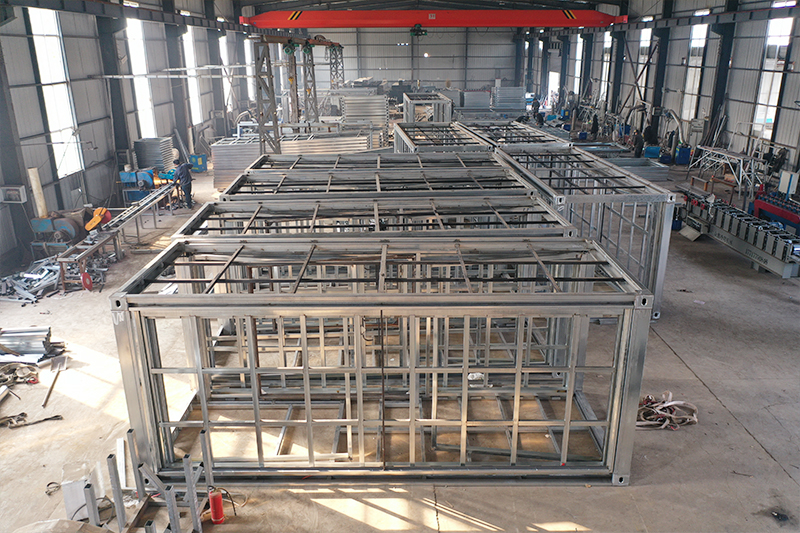
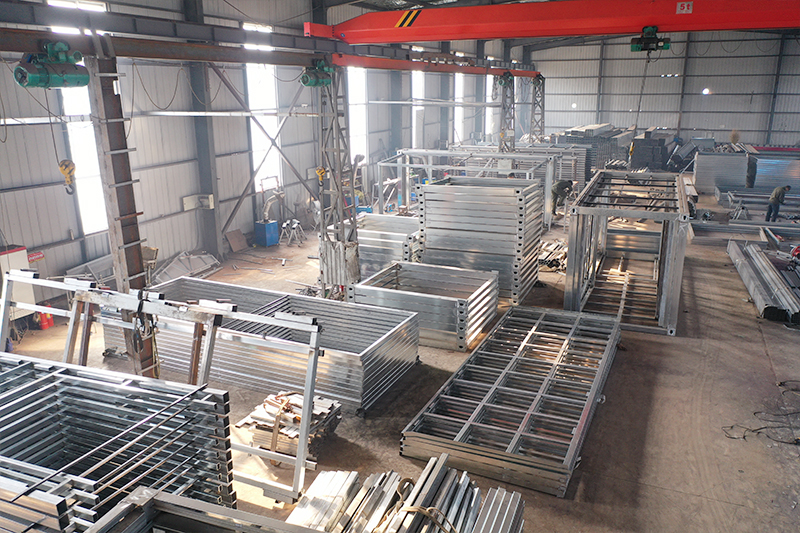
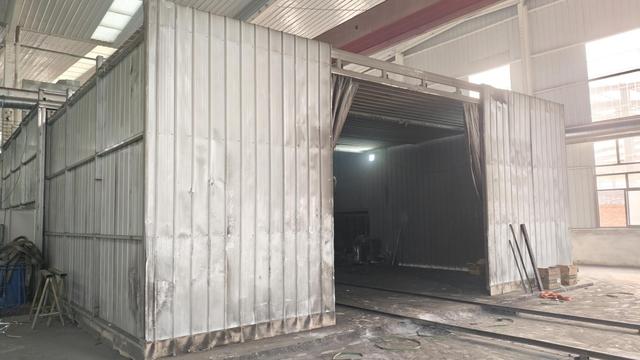
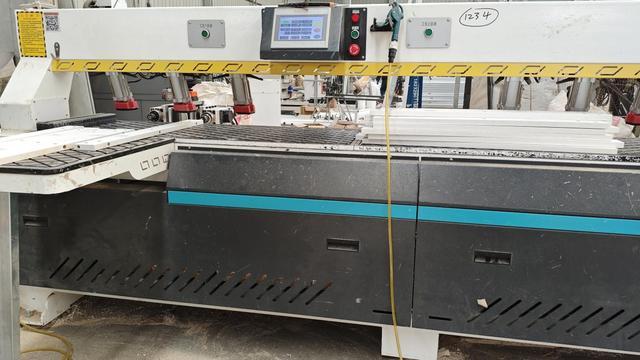
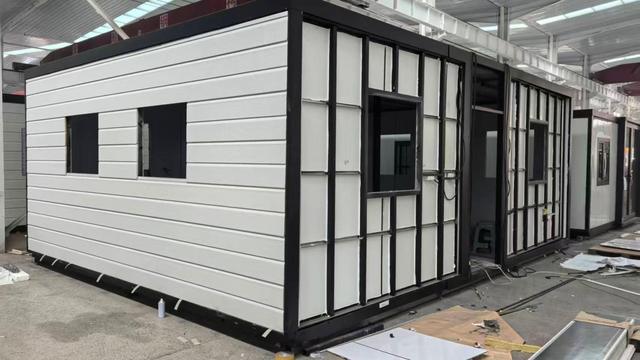
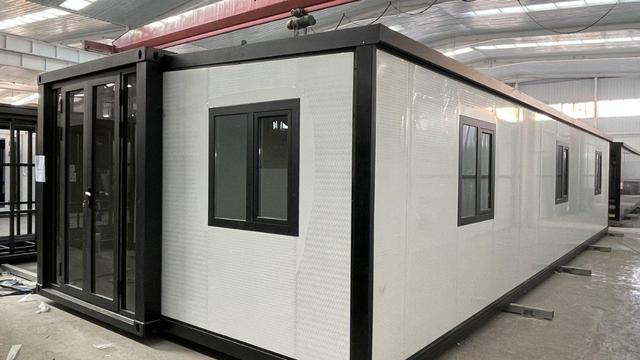
Inside Shanghai BYT Homes: High-precision engineering, quality craftsmanship, and raw material processing.
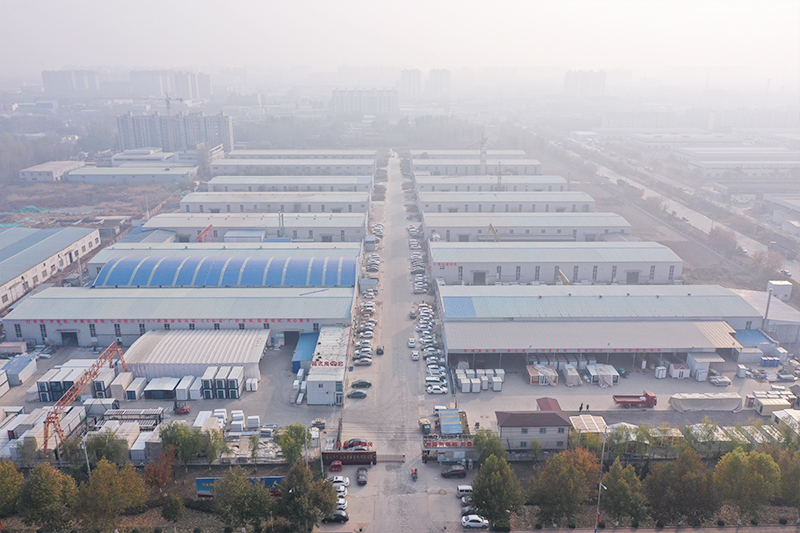
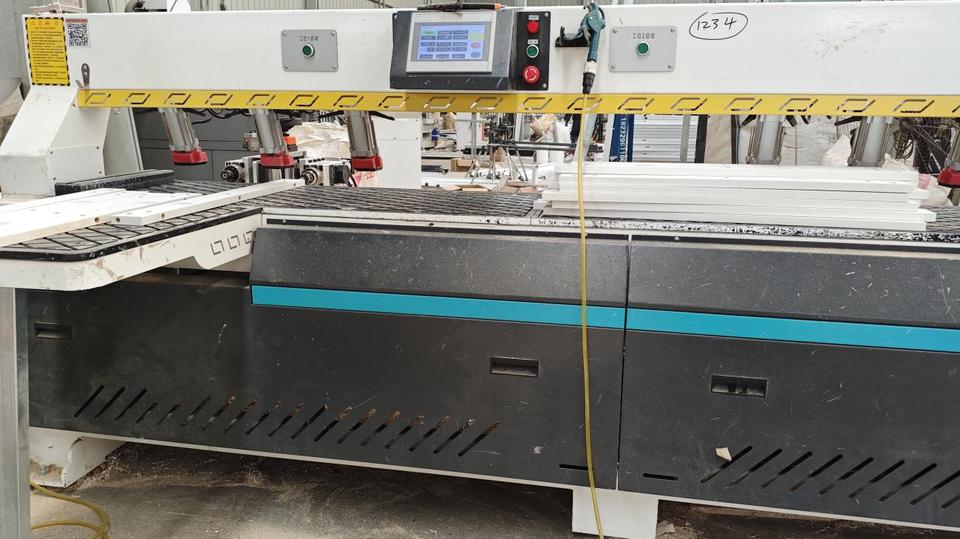
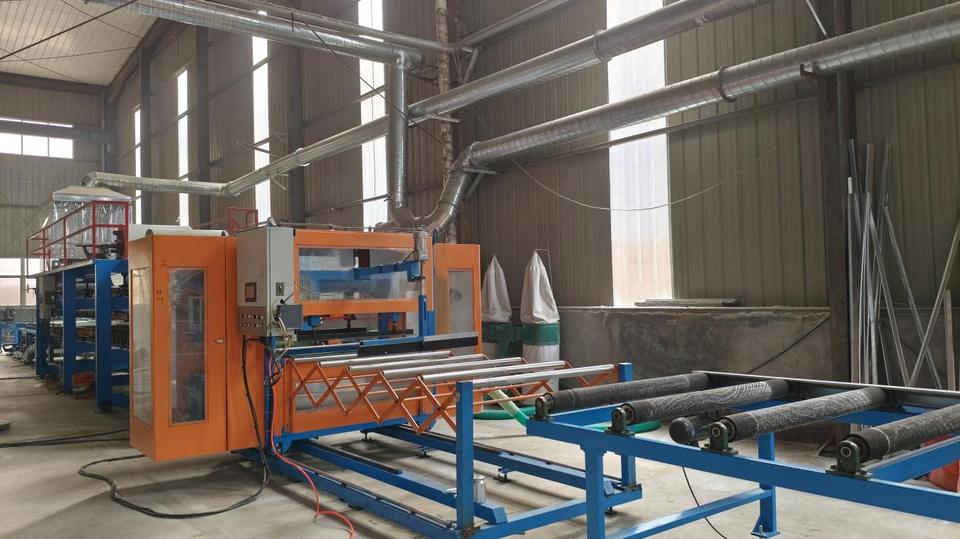
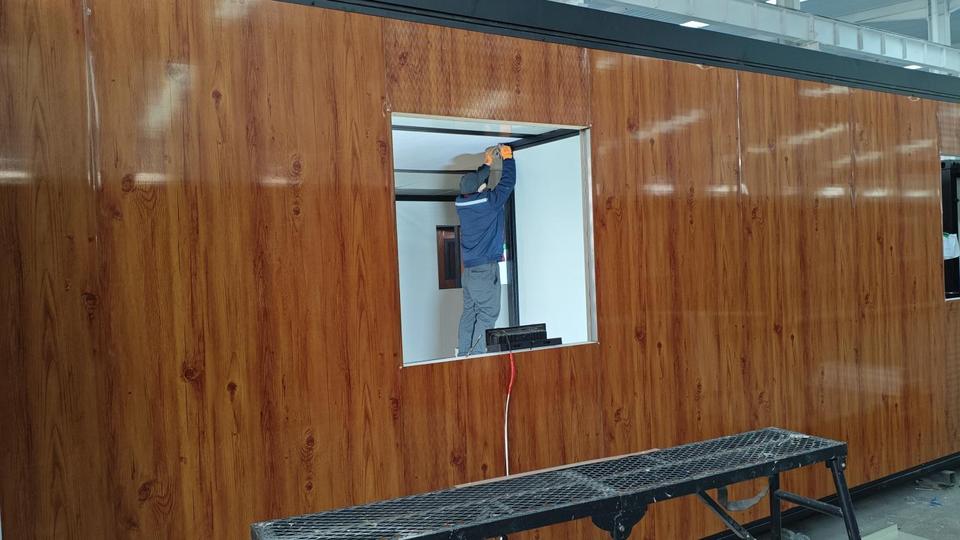
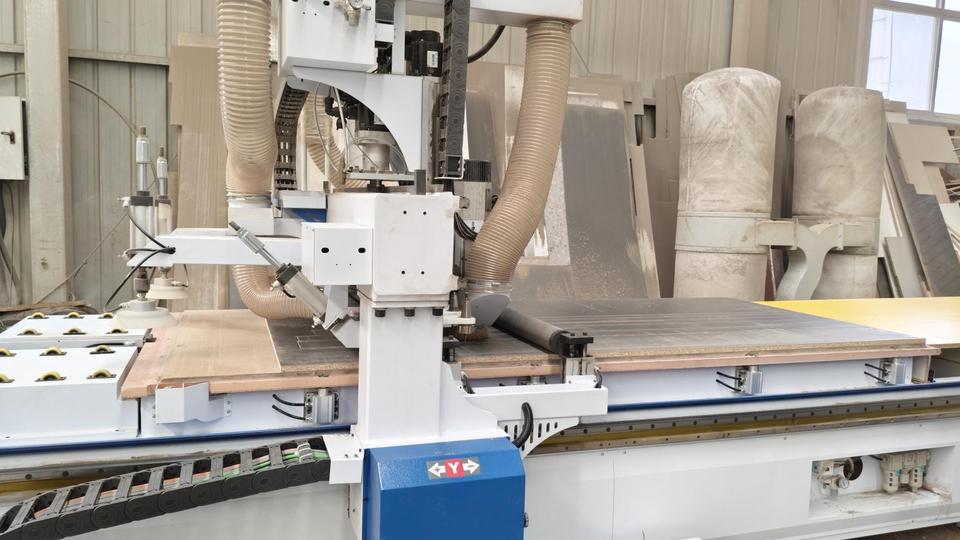
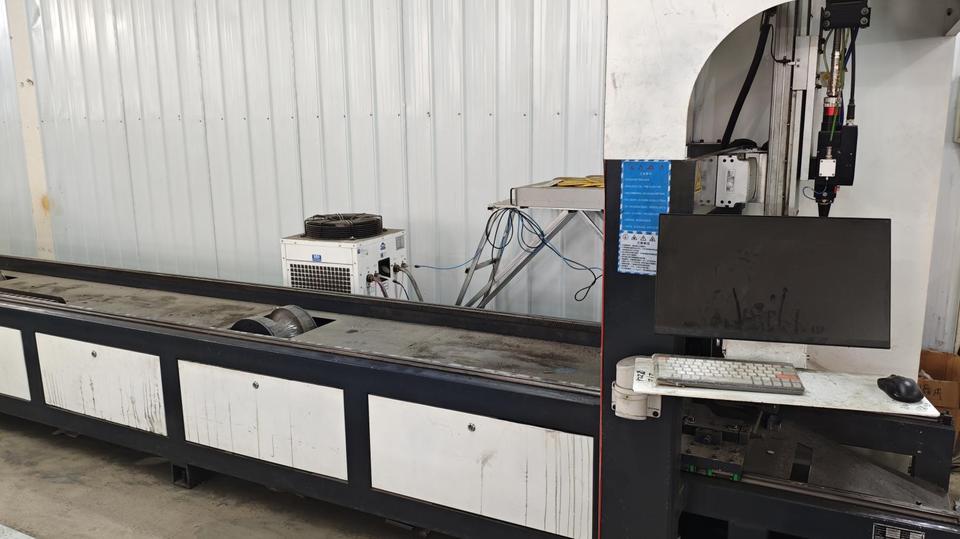
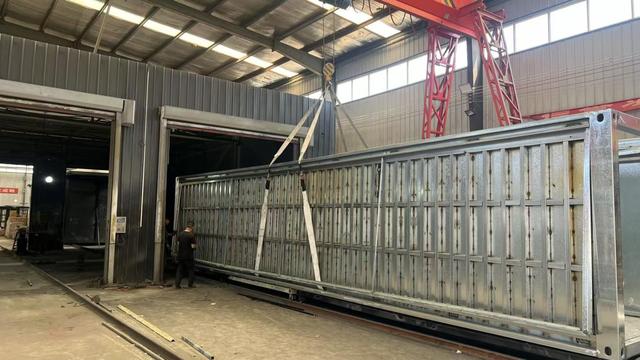
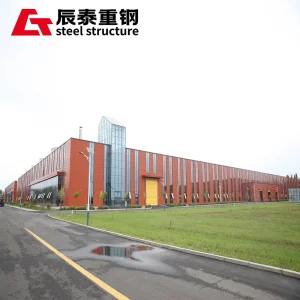
Shanghai BYT Homes Co., Ltd. is a comprehensive enterprise integrating design, production, processing, customization, sales, and construction. Conveniently located in the industrial manufacturing corridor of Shanghai, China, our manufacturing facilities feature modern machinery for cold roll-forming, automated structural welding, shot-blasting rust removal, and eco-friendly protective coating lines. Our production processes ensure that all double-wing expandable homes, quick-assembled container structures, and folding modules maintain consistent tolerance control down to the millimeter.
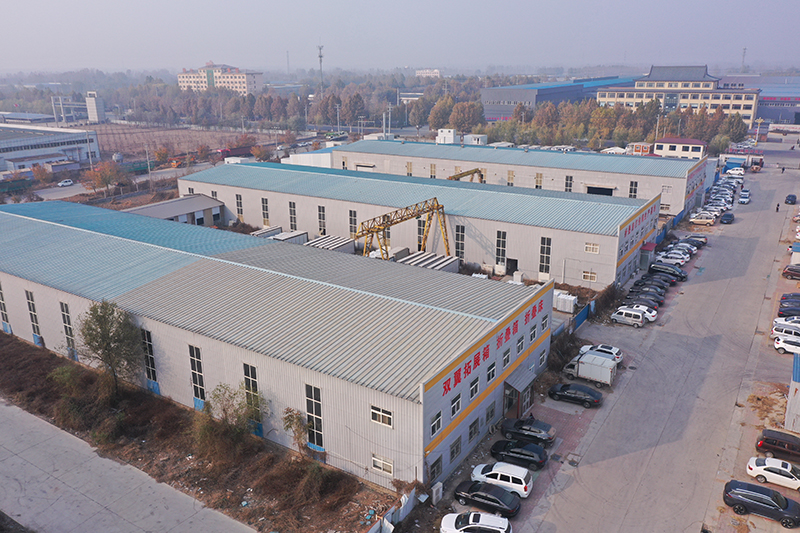
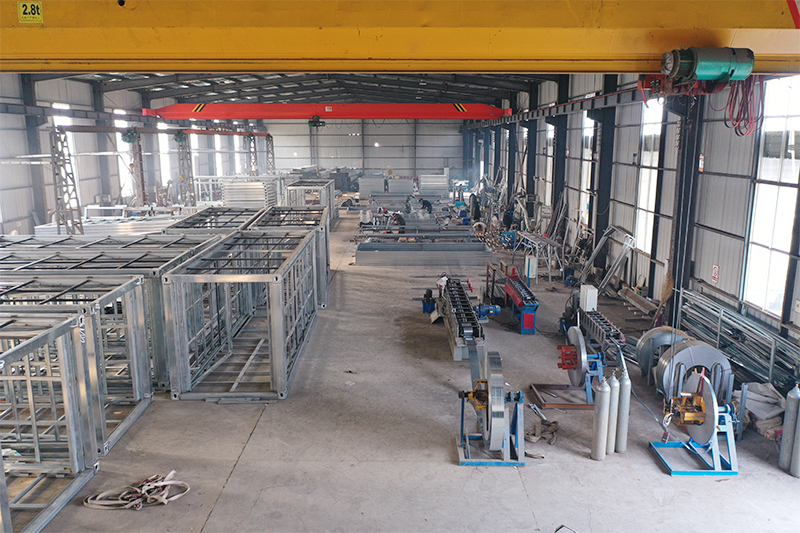

Building regulations vary across global markets. Sourcing modular structures requires compliance with localized standards, structural load expectations, and fire rating requirements. Shanghai BYT Homes ensures that design specifications meet these regional norms:
By establishing a strict QC path from steel coil purchasing to completed product delivery, Shanghai BYT Homes offers reliable, high-performing structural investments.
Industrialized construction operates at the intersection of material science and digital technology. The technical development roadmap for Shanghai BYT Homes focuses on three main targets:
Developing modular walls using bio-composites and aerogel insulation cores. These materials deliver superior thermal insulation with reduced wall thickness, maximizing internal living space while lowering heating and cooling requirements.
Creating digital twins of our production lines and finished modular assets. This system allows international clients to monitor manufacturing progress in real time and import digital 3D models directly into BIM (Building Information Modeling) pipelines.
Refining container assembly steps to ensure that every steel beam, wall panel, and internal finish is designed for disassembly. This approach allows modular units to be relocated or repurposed at the end of their operational lifecycle.
Answers to common structural engineering, logistical, and customization questions from buyers.
Our structures are built around hot-rolled and cold-formed Q235/Q345 carbon steel frame assemblies. The structural members are welded and bolted together to form a rigid three-dimensional frame. This design distributes localized lateral forces across the entire frame. The finished structures are certified to withstand Category 12 wind pressures and carry a Grade 8 seismic resistance rating, making them suitable for active geographical zones.
Corrosion protection is applied at the primary manufacturing phase. The structural framework undergoes shot-blasting to clean the metal surface, followed by a hot-dip galvanization process (applying a protective zinc coating of 80g/m² to 120g/m²). We then apply marine-grade epoxy primer coats and polyurethane finish coats. This multi-layered coating prevents moisture penetration and protects the steel core against oxidation in high-saline coastal settings.
To optimize shipping costs, we recommend transport methods based on the product type. For standard 20ft quick-assemble units, we package them in a flat-pack format, allowing a single 40ft High Cube (HC) shipping container to transport 6 to 8 flat-pack structures. Double-wing expandable houses collapse into a standard shipping dimension, allowing one unit to load directly onto standard sea freight lines. This reduces maritime transit costs compared to shipping fully assembled, three-dimensional structures.
We offer three main insulation cores based on target energy requirements: Expanded Polystyrene (EPS) for standard climates, Rockwool for applications requiring high fire safety rating (Class A fire resistance), and Polyurethane (PU) for maximum thermal efficiency. Panel thicknesses range from 50mm to 150mm. This customization allows project designs to meet specific thermal transmittance values (U-values) required by regional building codes.
Discover our specialized engineering systems, water purification, and energy-storage modular solutions.
 BYT Homes