Top 5 Materials Used in Modular Homes You Need to Know?

Time:2026-05-07 Author:Isabella
0%

Modular homes are becoming increasingly popular due to their efficiency and versatility. Homeowners often ask, "what materials are used in modular homes?" Understanding these materials is crucial for making informed choices. Different components contribute to the overall strength and aesthetic of these homes.

From structural frames to insulation, each material plays a vital role. Typically, steel and wood are common choices for the framework. These materials provide durability and safety while ensuring a solid foundation. Insulation materials can vary, impacting energy efficiency and comfort.

However, there is a mix of traditional and modern materials in use. Some builders opt for eco-friendly options like bamboo or recycled materials, reflecting a growing trend towards sustainability. Yet, not every choice is perfect. Each material brings its own set of challenges, such as cost or availability. Homeowners must weigh these factors carefully to create their ideal modular living space.
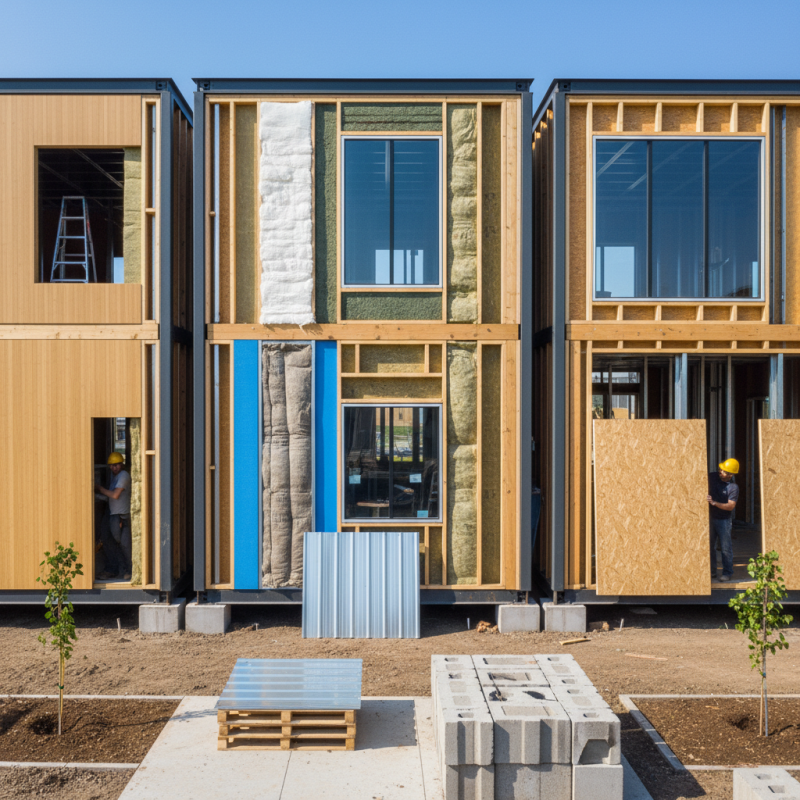
Top 5 Materials Used in Modular Homes You Need to Know?

The Importance of Choosing the Right Materials in Modular Homes

Choosing the right materials for modular homes is crucial. The materials impact not just the aesthetics but also the longevity and sustainability of the structure. Quality materials can enhance energy efficiency and reduce maintenance needs. For instance, wood is commonly used for framing. It offers flexibility but requires proper treatment to prevent rot and pests. In contrast, steel provides strength but can be prone to corrosion if not properly coated.

Another aspect to consider is insulation. Insulation materials can significantly improve energy savings. Poor insulation often leads to temperature fluctuations, resulting in discomfort and increased utility bills. Selecting high-quality insulation can help maintain a stable indoor climate.

It’s also vital to think about environmental impact. Some materials may seem appealing due to cost but can have hidden costs for the environment. Recycling and sustainability should play a role in decisions. Reflecting on choices can lead to better outcomes for both the homeowner and nature. Balancing cost, durability, and environmental responsibility is key.

Wood: The Traditional Choice for Structure and Aesthetics

Wood has long been celebrated as a versatile material in modular homes. Its natural aesthetics appeal to many homeowners. The warmth of wood offers a welcoming atmosphere. Additionally, it provides structural integrity. Builders often prefer wood for framing and flooring.

Tips: When selecting wood, consider local varieties. They can enhance the home’s sustainability. Local sourcing reduces environmental impact.

Not all wood types are equal. Some may warp or crack over time. Proper treatment and sealing are vital for longevity. It’s necessary to be mindful of maintenance needs. While wood offers beauty, it requires effort to maintain its appeal.

Tips: Regular inspections can catch issues early. Routine maintenance extends the life of wooden structures. Embrace the natural imperfections; they add character to your home.

Steel: The Strength and Durability Behind Modular Construction

Steel is a fundamental component in modern modular homes. Its unique properties offer unmatched strength and durability. Unlike other materials, steel doesn't warp or shrink. This makes it ideal for creating stable structures.

In modular construction, steel frames provide a reliable foundation. They withstand harsh weather and resist pests. The use of steel enhances the overall lifespan of homes. Homeowners appreciate this long-term investment. However, steel can conduct heat, leading to energy inefficiency if not properly insulated.

Another aspect to consider is the environmental impact of steel production. While steel is recyclable, the energy used in its manufacturing is substantial. This raises questions about sustainability. Builders are now exploring methods to reduce this footprint. Using recycled steel is one way to address this concern. Overall, steel remains a top choice due to its reliability and strength.

Insulation Materials: Enhancing Energy Efficiency in Modular Homes

When it comes to modular homes, insulation materials play a crucial role in energy efficiency. Proper insulation can reduce heating and cooling costs significantly. Many types are available, each with unique benefits and drawbacks. Popular choices include fiberglass, foam, and cellulose.

Fiberglass insulation is widely used due to its effectiveness and affordability. However, it can sometimes be challenging to install correctly. Foam insulation, on the other hand, provides excellent air sealing but might be more expensive. Cellulose, made from recycled paper, is eco-friendly but may settle over time. Each material has trade-offs, highlighting the need for careful selection.

Choosing the right insulation requires understanding your home's specific needs. A thorough assessment is necessary. Poor insulation leads to energy loss and higher bills. Always consider local climate conditions and budget constraints when making a decision. Balancing insulation type and cost is key to achieving optimal energy efficiency.

Top 5 Materials Used in Modular Homes You Need to Know

Material Type Insulation R-Value Pros Cons
Fiberglass 2.9 - 4.3 Cost-effective, non-combustible Can irritate skin, requires careful installation
Spray Foam 6.0 - 7.0 High R-value, excellent air sealing Higher cost, requires professional installation
Cellulose 3.1 - 3.7 Made from recycled materials, good air barrier Can settle over time, requires moisture control
Mineral Wool 3.1 - 4.0 Fire resistant, effective sound barrier Higher cost than fiberglass, can be heavy
Reflective Barriers Varies (depends on installation) Reduces heat gain, easy installation Less effective in cold climates, must be installed correctly

Sustainable Options: Eco-Friendly Materials for Modular Home Builders

When building modular homes, choosing eco-friendly materials is crucial. Sustainable construction minimizes environmental impact and promotes energy efficiency. According to a report by McGraw-Hill, about 75% of builders are now incorporating green practices into their projects. This shift reflects a growing awareness of sustainability in the housing market.

Wood products are among the top eco-friendly materials. Engineered wood, such as cross-laminated timber, uses less timber than traditional methods. It reduces deforestation and lowers carbon footprints. Steel is another sustainable choice. It can be recycled and reused, leading to a longer life cycle for homes.

Tips:
- Always check for certifications. Look for materials that are certified by recognized environmental standards.
- Research local sourcing. Using local resources not only cuts transportation emissions but also supports community economies.
- Consider the lifecycle of materials. Their impact spans beyond just the building phase. Reflect on their long-term sustainability.

Recycling and reusing materials is also gaining traction. According to the National Association of Home Builders, using salvaged materials can reduce waste and save money. The integration of solar panels and green roofs is on the rise as well. These options contribute to energy conservation and lower utility bills.

Top 5 Materials Used in Modular Homes

This chart illustrates the sustainability ratings of five commonly used materials in modular home construction. Each material's rating is on a scale from 1 to 10, indicating its eco-friendliness and potential impact on sustainable building practices.

FAQS

: Why is choosing the right material important for modular homes?

: The right materials affect aesthetics, longevity, and sustainability. They also impact energy efficiency and maintenance needs.

How does insulation affect modular homes?

Quality insulation saves energy and maintains a stable indoor climate. Poor insulation can lead to discomfort and higher utility bills.

What are the advantages of using wood in construction?

Wood offers natural beauty and structural integrity. It creates a warm atmosphere, making homes feel welcoming.

Are there drawbacks to using wood?

Yes, some wood types may warp or crack. Regular maintenance and treatment are necessary to ensure longevity.

How can local wood sources benefit modular home construction?

Local woods reduce environmental impact and enhance sustainability. They support the local economy too.

What should I consider regarding environmental impact?

Materials may have hidden environmental costs. Reflecting on choices can lead to better outcomes for both homeowners and nature.

Is steel a good option for modular home framing?

Steel offers strength but needs proper coating to prevent corrosion. Balance the pros and cons when choosing materials.

How can homeowners maintain wooden structures?

Routine inspections and maintenance can help catch issues early. Embrace imperfections; they can add character to your home.

What is a crucial step when choosing materials?

Balance cost, durability, and environmental responsibility. This can lead to better decisions in the long run.

What can happen if insulation is not chosen carefully?

Poor insulation can result in temperature fluctuations and discomfort. It often leads to increased energy costs.

Conclusion

Choosing the right materials is crucial in the construction of modular homes, influencing both their structural integrity and aesthetic appeal. The traditional choice for many builders is wood, appreciated for its natural beauty and versatility. However, steel is becoming increasingly popular due to its strength and durability, providing a solid foundation for modular structures. Additionally, insulation materials play a vital role in enhancing energy efficiency, ensuring that these homes remain comfortable while reducing energy costs.

Sustainability is also a key consideration, prompting many builders to explore eco-friendly materials that minimize environmental impact. Understanding what materials are used in modular homes can help prospective homeowners make informed decisions, balancing durability, aesthetics, and sustainability to create a space that meets their needs efficiently.

Isabella

Isabella

Isabella is a dedicated marketing professional with a sharp focus on driving brand growth and engagement through strategic content creation. With an extensive background in digital marketing, she combines her passion for storytelling with her keen understanding of industry trends to deliver......