Extreme weather poses significant challenges for housing durability. With climate change on the rise, homeowners increasingly question, "are prefab houses durable in extreme weather?" Industry reports indicate that prefab houses can withstand severe conditions better than traditional homes, thanks to advanced engineering and materials. For instance, the Modular Building Institute's data suggests that modular structures often exceed conventional building standards, making them resilient to heavy rains, winds, and snow loads.
However, not all prefab houses perform equally in extreme climates. Factors such as design, materials, and local codes significantly influence their resilience. Some reports have highlighted cases where prefab homes sustained damage during hurricanes or wildfires due to inadequate preparation. This raises important considerations for potential buyers. Gathering knowledge from reputable sources is crucial in making informed decisions about prefab housing.
Ultimately, investing in a prefab house requires understanding both advantages and limitations. While many homes can endure harsh weather, some may fall short. Future research and innovation will play a vital role in enhancing their durability, making this a critical area of study.
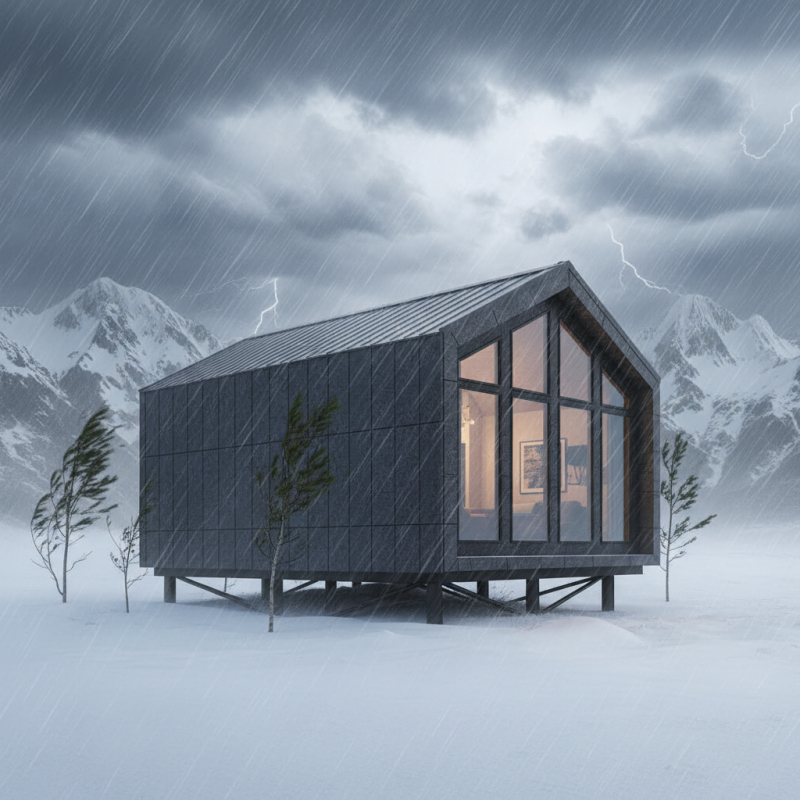
Definition and Overview of Prefab Houses
Prefab houses, or prefabricated homes, are structures built from components manufactured off-site. These components are then transported to the construction site for assembly. This method can significantly reduce construction time. Prefab houses come in various styles and designs, making them versatile options for different needs and preferences. Their efficient construction can appeal to those seeking sustainable living solutions.
In terms of durability, prefab houses can withstand extreme weather if built correctly. They are often crafted using materials designed to endure harsh conditions. Insulation plays a vital role in maintaining optimal indoor temperatures, regardless of the weather outside. However, not all prefab homes are equally robust. Factors like design, local climate, and materials influence the overall strength.
Homeowners must consider these elements carefully. Regular maintenance is crucial to ensure longevity. For instance, checking for leaks, and addressing wear and tear can extend a prefab home's life. Potential residents should consult experts and gather insights from existing owners. This way, they can make informed decisions regarding durability in extreme weather.
Types of Prefab Houses and Their Structural Features
Prefab houses come in various types, each designed to withstand different weather conditions. Steel and concrete prefab homes are known for their durability. These materials offer excellent resistance to harsh elements. In contrast, wooden prefab houses may be less resilient in extreme conditions. However, advanced treatment techniques can enhance their durability.
Structural features play a crucial role in determining the longevity of prefab houses. For instance, homes with reinforced walls and roofs provide better stability. Adequate insulation is another important aspect. It helps maintain a comfortable indoor climate during extreme temperatures. Some designs include sloped roofs to prevent snow accumulation. This feature is particularly beneficial in snowy regions.
While prefab houses have many advantages, there are still concerns. Some people worry about the long-term performance of these structures. It’s essential to evaluate the materials used. Climate can also impact your choice of prefab design. Not all styles suit every environment. Thus, thorough research and careful planning are vital for lasting results.
Impact of Extreme Weather on Construction Materials
Extreme weather poses significant challenges to construction materials. Rain, heat, snow, and wind can all affect a structure's integrity. For prefab houses, the choice of materials is critical. Lightweight materials may be easier to transport but may not withstand severe conditions. Heavier, sturdier options provide greater resilience. This durability becomes evident when examining the impact of storms on traditional homes versus prefab options.
In a storm, conventional houses may experience leaks or damage due to fluctuations in temperature. In contrast, well-designed prefab houses often incorporate advanced insulation techniques. These techniques can mitigate temperature extremes. Yet, not all prefab homes are created equal. Some may rely on less durable materials that fail under stress. Homeowners should assess the specific materials used in construction. This consideration is vital for ensuring the house can endure harsh environments.
The importance of ventilation cannot be overstated. In extreme heat, inadequate airflow leads to high humidity. This can result in mold growth in any home, including prefab structures. Proper ventilation systems are essential for maintaining a healthy indoor environment. Investing in quality construction can yield long-term benefits. Yet, balancing cost with durability remains a challenge. Homeowners must navigate these complexities when choosing their housing options.
Are Prefab Houses Durable in Extreme Weather Conditions? - Impact of Extreme Weather on Construction Materials
| Weather Condition |
Material Type |
Durability Rating (1-10) |
Common Issues |
| High Winds |
Steel Frame |
9 |
Potential structural damage |
| Heavy Rain |
Wood Frame |
7 |
Water damage and mold |
| Extreme Heat |
Concrete |
8 |
Cracking and thermal expansion |
| Snow and Ice |
Insulated Panels |
8 |
Load bearing issues |
| Flooding |
SIPs (Structural Insulated Panels) |
6 |
Potential for severe water damage |
Testing and Standards for Durability in Prefab Houses
When assessing the durability of prefab houses in extreme weather, standards and testing are crucial. Key factors include materials, design, and construction techniques. High winds, heavy snow, and intense heat all challenge a structure's integrity. Rigorous testing can simulate these conditions, revealing how well the prefab withstands nature's extremes.
Specific tests evaluate impact resistance and thermal performance. They measure how well a house can insulate against cold and heat. For example, using materials like reinforced steel can enhance a house's strength. However, sometimes these materials may not align with eco-friendly practices, raising questions about sustainability.
It's important to note that not all prefab houses are created equal. Some lack the proper certifications, which can affect their performance. Homeowners should research local building codes and standards. This approach can help ensure their investment will last through severe weather. Ultimately, ongoing research and innovation are vital for advancing prefab home durability.
Durability of Prefab Houses in Extreme Weather Conditions
This bar chart illustrates the performance of prefab houses when subjected to various extreme weather conditions, measuring their durability based on different criteria such as wind resistance, snow load, and thermal insulation.
Case Studies of Prefab Houses in Severe Weather Events
Prefab houses have gained popularity, especially in regions prone to severe weather events. Case studies illustrate their performance in extreme conditions. For instance, a 2020 report from the National Association of Home Builders highlighted that prefab buildings can withstand winds up to 130 mph, depending on the materials used. This statistic shows their potential resilience against hurricanes or tornadoes.
However, not all prefab structures held up during recent storms. Some houses faced damage due to inadequate foundations or poor installation techniques. A notable example occurred in Texas during Winter Storm Uri. While many prefab homes remained intact, several suffered from frozen pipes or roof leaks due to thermal bridging issues. This raises critical questions about design choices and construction standards in prefab housing.
Research indicates that climatic adaptation is essential for prefab houses. The American Society of Civil Engineers emphasizes the need for specific environmental considerations during construction. Key factors include insulation quality, roof design, and materials offering high thermal resistance. Addressing these weaknesses can enhance the durability of prefab homes in harsh climates. Without proper adjustments, they may not perform as expected in severe weather scenarios.
Conclusion
The article "Are Prefab Houses Durable in Extreme Weather Conditions?" explores the resilience of prefab houses when faced with severe weather challenges. It begins with a definition and overview of prefab houses, discussing various types and their structural features that contribute to overall durability. The impact of extreme weather on construction materials is analyzed, highlighting potential vulnerabilities and performance under stress.
Furthermore, the article reviews testing methods and standards for evaluating the durability of prefab houses, ensuring they meet safety and sustainability criteria. Case studies of prefab houses subjected to severe weather events provide real-world insights into their durability and performance. Ultimately, the findings contribute to a better understanding of whether prefab houses are durable in extreme weather, offering valuable information for future construction practices.

 BYT Homes