In today's fast-paced world, the demand for quick housing solutions is rising. The question many ask is, "how fast can a modular house be built?" Modular homes present an innovative approach to construction. They offer efficiency and speed that traditional building methods often can't match. With prefabricated sections, these homes can be assembled on-site in days rather than months.
The construction process relies on streamlined techniques and skilled labor. This combination reduces delays and enhances quality control. However, even with these advancements, challenges remain. Local regulations, site preparation, and material availability can impact timelines. Builders must navigate these factors carefully.
While the prospect of rapid housing is appealing, it warrants scrutiny. Quality should never be sacrificed for speed. Achieving a balance between fast construction and durable homes is essential. As we explore modular housing's potential, we must consider its practical limits. The journey toward quick living solutions continues, but reflection on efficiency is crucial.
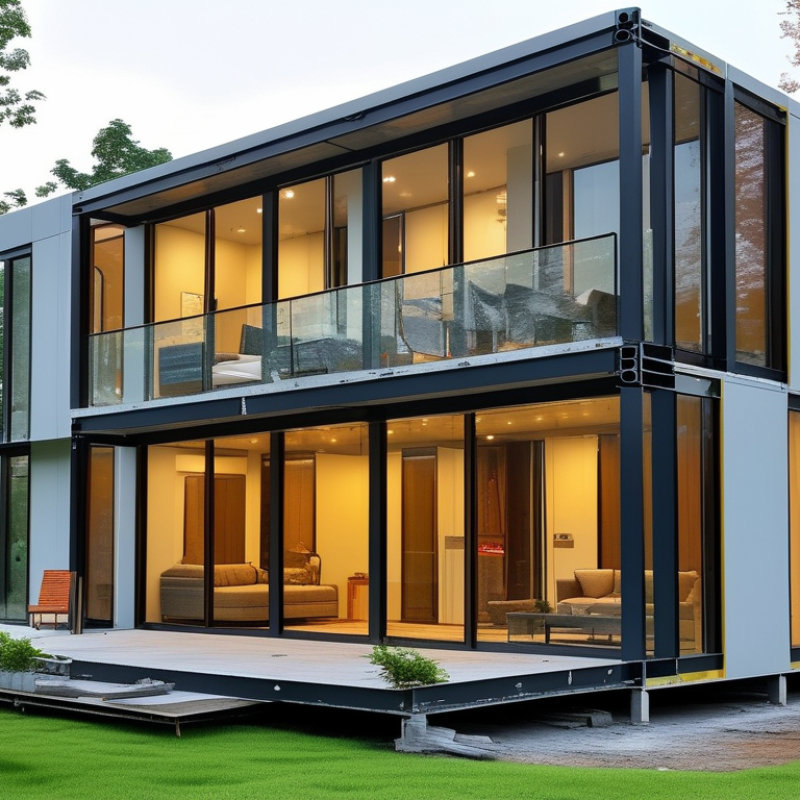
Overview of Modular House Construction
Modular houses are gaining popularity due to their efficiency in construction. These homes are prefabricated in a factory. This process allows for quick assembly on-site. Typically, a modular home can be built in a matter of weeks. It often takes less time than traditional construction methods. By using standardized components, builders minimize delays.
The construction of modular houses involves several stages. First, the design phase takes place. Architects create plans tailored to specific needs. Next, sections of the house—modules—are built in a controlled environment. This ensures quality and safety. After that, modules are transported to the site. Assembly can begin once the foundation is ready.
The process appears seamless, but challenges can arise. Weather conditions can delay transportation, and site preparation may face unexpected issues.
One significant aspect of modular construction is its sustainability potential. Using less material can reduce waste. However, there are inherent limitations. Customization options are often restricted compared to traditional homes. This can disappoint some buyers. Also, not every area is suited for modular homes. Local zoning laws may impose strict regulations.
Understanding these factors is essential.
Key Components of Modular Home Design
Modular homes offer exciting possibilities for quick living. These homes are created in sections, or modules, in a factory setting. This method reduces build time significantly. Advanced technology allows for customization, while maintaining structural integrity. These qualities make modular homes a smart choice for many.
Key components define modular home design. Open floor plans enhance space and light. Energy-efficient materials lower utility costs, appealing to eco-conscious buyers. Customizable layouts provide flexibility based on individual needs. However, it's essential to find the right builder who understands local regulations. Not all builders are well-versed in modular construction.
**Tip:** Always check the builder’s experience and portfolio. Knowledge in local zoning laws is crucial. Insist on clear communication to avoid misunderstandings during the process.
Designing a modular home can be a challenge. Rethink common misconceptions. Many believe modular homes lack character. In reality, they can be stylish and modern. It's vital to involve architects who specialize in modular projects to maximize aesthetic appeal.
**Tip:** Seek creative solutions for design limitations. Explore options like prefabricated elements that enhance visual interest. Collaboration with an expert can turn challenges into advantages.
Construction Time Comparison of Modular vs Traditional Homes
Timeframe for Building Modular Homes
The timeframe for building modular homes has gained attention in recent years. On average, modular homes can be built in a fraction of the time it takes for traditional construction. A recent industry report suggests that modular homes can take as little as three to six months from start to finish. This timeline includes manufacturing, transportation, and assembly on-site.
The efficiency of modular building techniques contributes to this speed. Prefabrication allows for sections of the home to be constructed simultaneously while site preparation occurs. This overlap minimizes delays often seen with traditional building methods. However, it's important to note that local permitting processes and site-specific challenges may add time to the overall project. Some homeowners have experienced frustrations due to regulatory hurdles, which can extend the timeline significantly.
Despite these challenges, the modular building method remains appealing for its speed and efficiency. The National Association of Home Builders reports that modular construction can save up to 20% on time compared to conventional methods. Such data reinforces the trend toward modular homes as a solution for quick living spaces, catering especially to those in urgent housing needs. Understanding the factors that influence the timeline is crucial for prospective buyers. Exploring the possibilities and limitations prepares them for the journey ahead.
How Fast Can a Modular House Be Built for Quick Living? - Timeframe for Building Modular Homes
| Stage |
Duration (Days) |
Description |
| Site Preparation |
10 |
Clearing and leveling the land, setting up utilities. |
| Foundation |
5 |
Pouring the concrete or installing the base structure. |
| Module Construction |
30 |
Building modules in a factory setting. |
| Transport & Setup |
7 |
Transporting modules to the site and assembling on the foundation. |
| Finishing Touches |
15 |
Interior and exterior finishing, connecting utilities. |
| Total Time |
67 |
Total estimated time for complete assembly. |
Factors Influencing Construction Speed
The speed of constructing a modular house can greatly vary depending on several key factors. One major aspect is the design complexity. Simple designs are quicker to build than intricate ones. A straightforward layout may take only a few weeks, while a detailed configuration can extend the timeline. Understanding this aspect helps in planning.
Site preparation also plays a crucial role. Ground conditions and location can delay construction. Poor soil may require additional groundwork, increasing time. Accessibility is another challenge. Remote sites may lead to longer transportation times for materials and workers. Inadequate access can necessitate extra logistical efforts. This often adds to the overall duration.
Weather conditions cannot be overlooked. Rain, snow, or extreme heat may hinder progress. These elements often introduce unexpected delays. Contractor experience matters too. Less experienced teams may take longer to complete tasks. Flaws can arise from misjudged timelines or insufficient planning. Being aware of these variables allows for better preparation and clearer expectations.
Benefits of Quick Modular Housing Solutions
Modular housing offers remarkable speed and efficiency, making it an attractive solution for quick living. According to industry research, modular homes can be constructed up to 50% faster than traditional builds. This significant time reduction can address urgent housing needs, especially in crisis situations. Prefabricated components allow for simultaneous site preparation and construction, resulting in faster occupancy.
The benefits extend beyond speed. Modular houses can be more affordable, with some studies showing savings of 10-20% compared to conventional homes. They are often built with sustainable materials and practices, reducing environmental impact. Reports highlight that modular homes can achieve energy efficiency ratings that meet or exceed standard building codes. This leads to lower utility costs for occupants.
However, the modular approach is not without challenges. Not all regions have zoning laws that accommodate these structures. Additionally, quality can vary based on the manufacturer. Homebuyers must conduct thorough research to ensure compliance with local regulations. Despite these concerns, the growing acceptance of modular homes suggests a shift towards innovative housing solutions.
Conclusion
The article "How Fast Can a Modular House Be Built for Quick Living?" explores the efficiency of modular home construction, emphasizing the various elements that contribute to its rapid assembly. It covers essential components of modular design, such as pre-fabricated sections that streamline the building process, significantly reducing the time required for completion.
The timeframe for building modular homes can vary, but advancements in technology and construction techniques have made it possible to construct these homes in a matter of weeks. Factors influencing construction speed include the complexity of the design, site preparation, and local regulations. The article highlights the benefits of quick modular housing solutions, such as addressing housing shortages and providing affordable living options. Ultimately, understanding how fast a modular house can be built offers valuable insights for those seeking efficient and sustainable housing alternatives.

 BYT Homes