In today's rapidly evolving construction industry, ensuring quality is paramount, especially in prefabricated projects. Renowned expert Dr. Sarah Martinez emphasizes, "Quality control in prefabricated construction starts from the design phase." This concept indicates that quality assurance should be woven into every step of the process.
Prefabricated construction has its advantages, such as speed and cost-effectiveness. However, it also comes with challenges. The potential for errors during assembly or material defects can jeopardize the project's overall integrity. To ensure quality in prefabricated construction, stakeholders must adopt rigorous testing protocols. This approach can prevent setbacks later in the project life cycle.
Moreover, collaboration between architects, engineers, and contractors is crucial. Clear communication can mitigate misunderstandings that lead to quality issues. Regular inspections and adherence to industry standards are vital. While significant progress has been made, there is still room for improvement. Reflecting on past mistakes can guide future efforts towards achieving higher quality standards. Quality assurance is not just an option; it is an essential commitment in prefabricated construction.
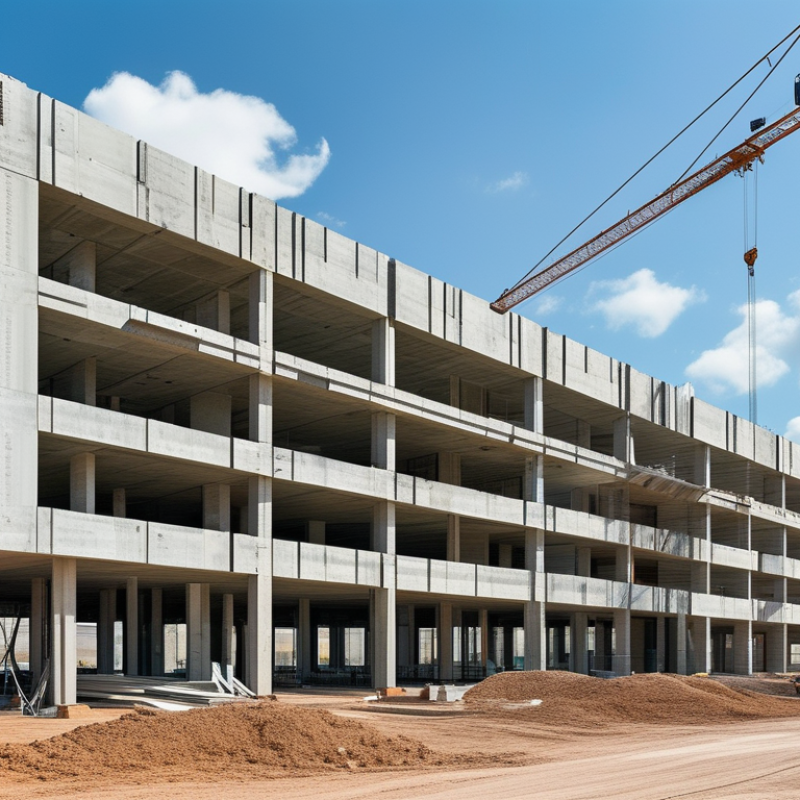
Prefabricated construction offers innovative solutions for modern building needs. This method involves assembling building components in a factory environment before transporting them to the construction site. This approach can streamline projects and enhance quality control. Modular designs often lead to fewer on-site errors and reduced waste, making it a more sustainable choice.
To ensure quality in prefabricated projects, it is critical to focus on both design and execution. A well-thought-out design can prevent future issues, but even the best plans require skilled execution. This is where challenges may arise. Workers on-site must adapt to the prefabricated components and ensure they fit perfectly. Furthermore, communication gaps between design, manufacturing, and assembly teams can lead to discrepancies.
Regular inspections during production and assembly stages are vital. These checks help catch defects early and ensure that components meet specified standards. Yet, it is not always easy to maintain high standards. Factors like time constraints or budget cuts might compromise quality. Reflecting on these challenges can lead to improvements in future projects, ultimately enhancing the overall reliability of prefabricated construction.
| Quality Dimension | Description | Importance |
|---|---|---|
| Material Quality | Ensuring that all materials used meet industry standards and specifications. | Critical for safety and durability. |
| Workmanship | Level of skill and care applied during the assembly of prefabricated components. | Directly impacts the longevity and functionality of the structure. |
| Design Compliance | Ensuring the prefabricated components comply with architectural and engineering designs. | Ensures aesthetics and structural integrity. |
| Quality Control Processes | Regular inspections and testing protocols during construction to maintain standards. | Prevents defects and ensures adherence to safety regulations. |
| Supplier Vetting | Thorough evaluation of suppliers to ensure the quality of materials. | Reduces risk of substandard materials affecting the project. |
| Training and Certification | Providing training to workers on best practices and quality standards. | Enhances skills and knowledge, leading to better outcomes. |
: Performance metrics ensure components meet quality standards, impacting overall project success.
Key metrics include durability, dimensional accuracy, and thermal performance to gauge component quality.
Regular assessments against metrics and third-party inspections help maintain quality assurance.
Engaging them early can prevent costly design phase errors that lead to defects.
Technology helps track defects and streamline inspections during the production process.
Minor defects may be overlooked, but they can escalate into significant issues if unaddressed.
Implementing feedback loops allows learning from past projects to enhance future outcomes.
Yes, continuous improvement is vital for meeting safety standards and achieving client satisfaction.
Focus on visual inconsistencies and imperfections, as they may signal larger quality issues.
Encouraging team communication and regular training keeps skills sharp and promotes quality awareness.
In the realm of prefabricated construction, ensuring quality is paramount for successful project outcomes. To understand how to ensure quality in prefabricated construction, it is crucial to first grasp the principles of this method, which emphasizes factory-made components and their assembly on-site. Key factors influencing quality include material selection, manufacturing processes, and skilled labor. Evaluating the performance of prefabricated components through established metrics ensures they meet specified standards.
Implementing effective quality assurance strategies throughout the prefabrication process is essential. This includes routine inspections, adherence to regulatory standards, and robust quality control measures. By focusing on these areas, stakeholders can significantly improve the reliability and durability of prefabricated buildings, ultimately leading to enhanced project satisfaction and performance.

 BYT Homes