The demand for affordable housing continues to rise. According to a recent report by the National Housing Coalition, there is a shortage of over 7 million affordable homes in the U.S. These statistics underline the urgency to explore innovative solutions, such as modular housing. Designing a modular housing project efficiently has become essential for addressing this challenge.
Expert Robert Dow, a leader in modular design, emphasizes the importance of efficiency. He states, "Research and planning are vital to the success of any modular housing project." When considering how to design a modular housing project efficiently, it is crucial to integrate advanced technologies and sustainable materials. These elements significantly reduce waste and construction time.
However, the industry still faces hurdles, including regulatory challenges and public perception issues. Balancing speed, cost, and quality can be complex. Each project must address unique site conditions and community needs. By refining the design process, stakeholders can better meet the growing demand while maintaining quality standards.
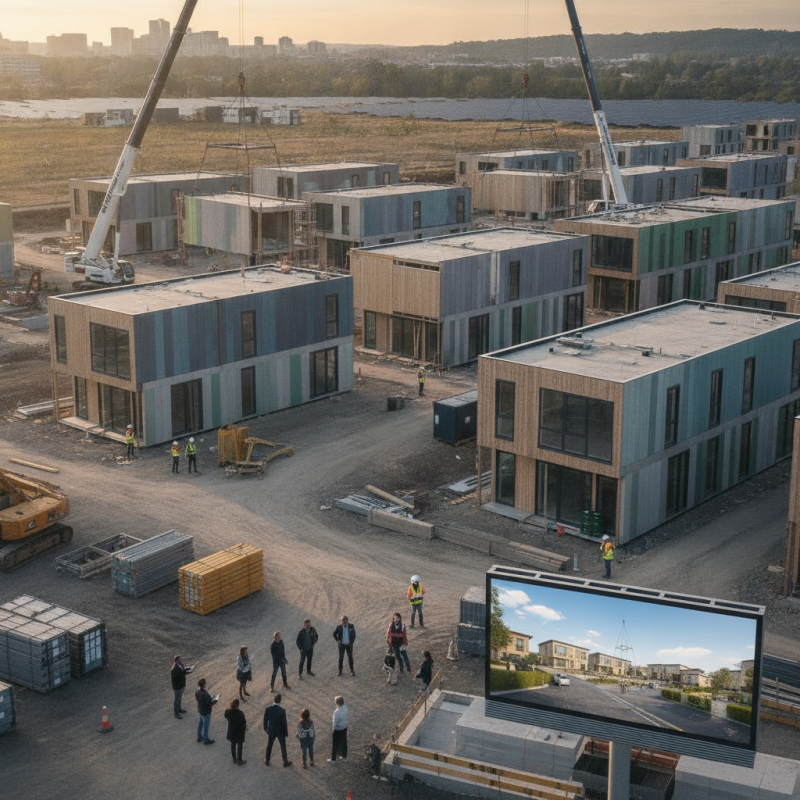
Modular housing has emerged as a significant solution for modern living. It combines efficiency and flexibility. Understanding its key concepts is essential for effective design.
Modular design allows for prefabricated units to be constructed off-site. This method reduces waste and shortens build time. The ability to customize units enhances warm living spaces. Homeowners can adjust layouts for their unique needs. A thoughtful approach can make modular housing feel just as inviting as traditional homes.
Tips: Focus on the local climate when designing. Insulation plays a crucial role in comfort. Consider energy-efficient materials to decrease long-term costs. Engage with professionals who have experience in modular construction. Their insights will prevent common pitfalls.
Collaboration with local authorities is vital. This ensures compliance with zoning and environmental regulations. However, navigating the bureaucracy can be daunting. Be prepared for delays in approvals. A proactive approach can smoothen the process. Engaging the community early on can foster positive relationships.
In designing modular housing, a commitment to sustainability is crucial. This not only benefits the environment but also contributes to long-term savings. A well-planned design can lead to lasting satisfaction for inhabitants.
Defining the project scope is critical for a modular housing project. It establishes the framework within which the entire initiative operates. Start by identifying the primary goals. Are you aiming for sustainability? How about affordability? Clarifying these objectives helps steer the design process.
Next, outline specific requirements. Consider the number of units, their layout, and size. This can affect material choices and construction methods. Engaging with stakeholders can provide valuable insights. Their feedback can prevent major oversights later in the project. Interestingly, building regulations might also influence decisions.
Aspects like aesthetic appeal shouldn't be overlooked. The design should not only function well but also create an inviting atmosphere. Reflect on common pitfalls. Often, projects struggle due to vague goals or poorly defined requirements. Learn from these experiences to create a clearer vision. Balancing needs with innovative solutions can lead to success in modular design.
When designing a modular housing project, material selection is crucial. Using sustainable materials can reduce environmental impact. Consider renewable resources like bamboo, which is strong yet lightweight. Wood can also be a good choice, particularly when sourced from responsibly managed forests. These materials align with eco-friendly practices while offering durability.
Cost-effectiveness often dictates material choices. Some sustainable options may have higher upfront costs, but they yield savings in the long run. Energy-efficient windows, for example, can lower heating and cooling expenses. Balancing budget constraints with sustainability can be challenging. Not every choice will be perfect. Evaluate long-term benefits versus immediate costs to make informed decisions.
Building techniques play a vital role too. Prefabrication reduces waste and construction time. This method enables precise planning and minimizes errors on-site. Yet, it may not suit all designs. Each project needs a tailored approach to techniques. There will be instances of learning curves and adjustments along the way. Embracing a flexible mindset can lead to surprising outcomes.
| Material | Sustainability Rating | Cost Effectiveness (per unit) | Durability (years) | Recyclability |
|---|---|---|---|---|
| Bamboo | High | $15 | 15-20 | Yes |
| Recycled Steel | Medium | $25 | 50+ | Yes |
| Concrete | Low | $30 | 70+ | No |
| Wood (FSC Certified) | High | $20 | 25-30 | Yes |
| Cork | High | $18 | 30-40 | Yes |
When planning a modular housing project, efficient space utilization is key. The layout must maximize every square foot. A well-designed space can feel larger with the right arrangements. Consider open floor plans. They enhance natural light and create a spacious ambiance. Use multi-functional furniture. It saves space and adds flexibility.
Tips: Opt for movable partitions. They allow for instant layout changes. This flexibility can adapt to different needs. Another point is to focus on storage solutions. Integrated cabinets or under-bed storage can free up room.
Selecting materials also matters. Lightweight and durable materials can streamline the building process. Ensure the design allows for easy assembly. This shortens timeline and reduces costs. However, some designs may not work as intended in real-life applications. Regular feedback from occupants is crucial for improvement.
When implementing a modular housing project, creating a clear timeline is crucial. Start by establishing milestones. For example, design phases should align with material procurement schedules. Make sure to account for potential delays. Weather, supply chain disruptions, and labor availability can impact your timeline.
Quality control is equally important. Regular inspections at each construction stage help maintain standards. These checks ensure that modular components fit correctly and function as intended. Document every inspection. This creates a reliable record that can be referenced later. It also fosters accountability among the team.
Reflecting on challenges is essential. Each project's complexity can lead to unforeseen issues. Maybe the initial design did not accommodate the site conditions. Learning from these experiences improves future projects. In the end, flexible planning and continuous communication enhance both quality and timeline adherence.
: Modular housing consists of prefabricated units built off-site, offering efficiency and flexibility.
It reduces waste and shortens build time, allowing for quicker habitation.
Yes, homeowners can adjust layouts to fit their unique needs and preferences.
Focus on insulation, energy-efficient materials, and the local climate for optimal comfort.
It ensures compliance with regulations, but can lead to delays in the approval process.
Utilize open floor plans and multi-functional furniture to maximize every square foot.
They benefit the environment and lead to long-term savings, enhancing occupant satisfaction.
Use movable partitions for instant layout changes, adapting to various needs.
Regular feedback from occupants can identify design flaws and enhance future projects.
Yes, some materials may not perform as expected in real life, requiring careful consideration.
Designing a modular housing project efficiently involves several key steps and considerations. First, it is essential to understand the key concepts and benefits of modular housing, which include enhanced sustainability and quicker construction times. Defining the project scope with clear goals and requirements ensures that the design aligns with the intended purpose and user needs.
Choosing the right materials and techniques plays a significant role in achieving both sustainability and cost-effectiveness. Moreover, planning the layout is crucial for efficient space utilization and flexibility in design. Finally, implementing a structured construction process with a well-defined timeline and rigorous quality control measures is vital to ensure the project meets its objectives. In summary, knowing how to design a modular housing project efficiently requires a holistic approach that encompasses these aspects.

BYT Homes