The construction industry is evolving rapidly, presenting various options for homebuyers. Prefab and modular housing are at the forefront of these innovations. Understanding the distinctions between them is crucial. Expert architect Jane Smith states, "Prefab and modular homes, though similar, serve unique needs in modern housing."
What is the difference between prefab and modular housing? This question shapes many discussions among potential homeowners and builders. Prefab homes are manufactured off-site, often sold in sections or panels. In contrast, modular homes are built in sections that are assembled on-site, following specific design requirements. This difference in assembly style can influence cost, customization, and timeline.
Both methods have their advantages and challenges. Prefab homes may offer quicker assembly, but they can lack some customization options. Modular homes allow for more flexibility in design, yet they often take longer to build. Prospective homeowners should weigh these factors carefully. Personal preferences and practical needs come into play. Ultimately, the choice between prefab and modular housing depends on individual priorities and circumstances.
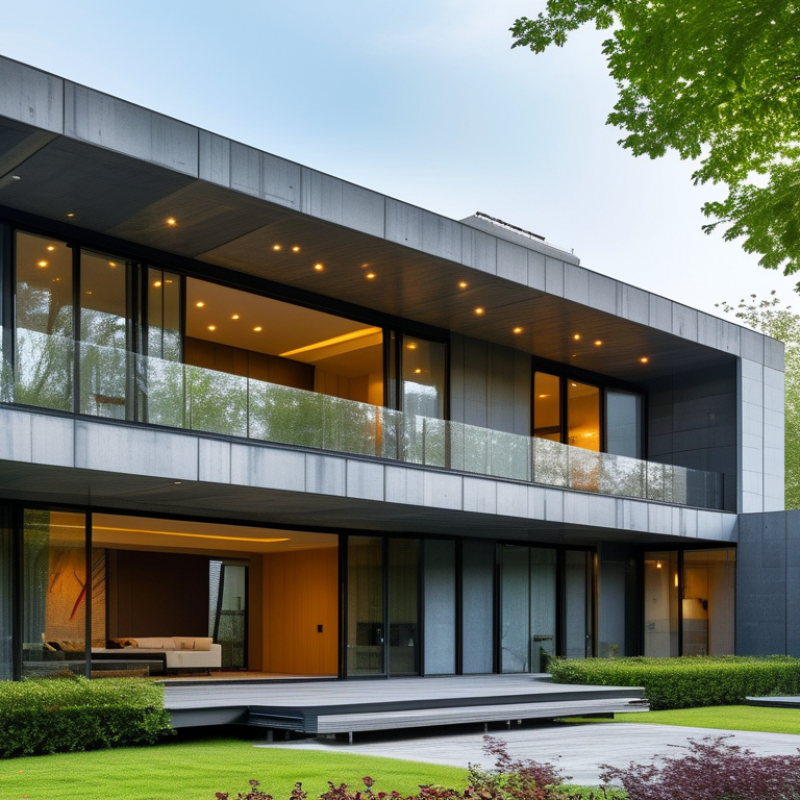
Prefab housing, short for prefabricated housing, involves the manufacturing of building components in a factory. These components are then transported to the construction site for assembly. This approach streamlines the construction process and often reduces costs.
Characteristics of prefab housing include efficiency, speed of construction, and potential for customization. Builders can create homes that meet specific needs while benefitting from reduced material waste. This method allows for quality control in a factory setting, ensuring each component meets safety and durability standards. However, one must consider site limitations and local regulations, which can complicate the installation process.
Tips: Check local zoning laws before deciding on prefab housing. They can affect your design choices. Also, factor in the logistics of transporting sections to your site. This can sometimes impact final costs. Understanding these aspects is crucial for a smooth installation process. Additionally, be open to unexpected challenges during assembly. Flexibility can lead to creative solutions.
Modular housing is a construction method that involves pre-manufacturing building sections in a factory. These sections are called modules. Once constructed, modules are transported to the site for assembly. This approach offers many advantages, including reduced construction time and improved quality control.
A key characteristic of modular housing is its flexibility. Homebuyers can customize designs to suit specific needs. Different floor plans can be combined easily, creating unique structures. This allows for creativity while maintaining cost-effectiveness. However, not every design is viable for modular construction. Some complex styles may face challenges during the assembly process.
Modular homes are built to meet the same building codes as traditional homes. This ensures they are safe and durable. However, some may perceive modular homes as lesser than site-built homes. This notion requires reflection, as modular homes can offer comparable quality. Understanding these characteristics helps potential buyers appreciate the benefits of modular housing.
| Feature | Prefab Housing | Modular Housing |
|---|---|---|
| Construction Method | Built off-site in sections | Built off-site in modules |
| Foundation | Usually requires a foundation | Secured on a permanent foundation |
| Customization | Limited customization options | Higher degree of customization available |
| Assembly Time | Quicker assembly than traditional building | Faster completion due to module system |
| Cost | Generally lower costs | Costs can be moderate to high |
| Regulatory Compliance | Must meet local building codes | Must comply with zoning laws and local codes |
| Transport | Can be more complex to transport | Modules designed for transport |
Prefab and modular housing are two terms often used interchangeably. However, they possess unique characteristics that set them apart. Prefab homes are factory-built structures. These homes consist of sections or panels made elsewhere and then assembled on-site. This method is often quicker. It also offers flexibility in design. However, the final product can sometimes appear less cohesive if not planned well.
On the other hand, modular housing refers to homes built in sections, or modules, that are designed to fit together perfectly. Once delivered, they are assembled on a permanent foundation. The modules are often constructed to local building codes, ensuring durability. The precision in construction can enhance aesthetics and overall structure. Nevertheless, it may limit design variations as each module needs to match exactly.
Both options present unique advantages, but neither is perfect. Some homeowners might find prefab homes easier to customize. Conversely, modular homes provide stronger structural integrity. Yet, challenges remain in ensuring quality during the manufacturing process. Individuals should weigh their preferences carefully when choosing between the two options.
Prefab housing has gained popularity due to its efficiency and cost-effectiveness. One significant advantage is the reduced construction time. Modular homes are built in sections off-site. This can lead to quicker completion once placed on the foundation.
However, there are disadvantages to consider. One issue is that transportation can be tricky. Moving large sections requires careful planning and potential delays. Additionally, some people may perceive prefab homes as less durable than traditional builds. This perception can affect resale value and buyer interest.
The aesthetic choices in prefab housing can also be limited. Customization might not fit everyone's vision. It’s essential to weigh these factors against the benefits. Overall, while prefab offers speedy solutions, buyers must reflect on their long-term needs and values.
Modular housing has gained popularity for its efficiency and flexibility. However, it's essential to weigh its advantages and disadvantages. One primary benefit is the speed of construction. Modular homes can be built 30-50% faster than traditional homes, according to a report by McKinsey. This efficiency allows families to move in sooner.
But there are challenges to consider. Some homeowners report limited customization options. This can lead to a feeling of sameness among modular homes in a neighborhood. Additionally, potential issues with financing exist. Mortgage options for modular homes can be more restrictive than for traditional houses.
Tips: Always research local zoning laws when considering modular housing. Choosing the right manufacturer is crucial. Look for one with a proven track record for quality and customer satisfaction. Finally, consider your lifestyle needs carefully. Modular homes may not always fit unique spatial requirements, so plan accordingly.
: Prefab housing consists of building components made in a factory. These are then assembled on-site.
Key benefits include efficiency, faster construction, and customization options. This can reduce material waste.
Site limitations and local regulations may complicate installation. Unforeseen challenges during assembly can also occur.
Prefab homes are assembled from panels; modular homes are built in modules for a permanent foundation.
Customization may be limited, leading to a uniform appearance in neighborhoods, which some homeowners dislike.
Modular homes can be constructed 30-50% faster than traditional homes, allowing quicker occupancy.
Check local zoning laws and choose a manufacturer with a solid reputation for quality and reliability.
Financing can be more restrictive for modular homes compared to traditional houses, which may be a concern.
Assess your design needs carefully; flexibility can lead to unique solutions but requires planning.
Ensuring quality during manufacturing is crucial, as it affects the durability and aesthetic appeal of the home.
The article "What is the Difference Between Prefab and Modular Housing?" explores the distinct characteristics of prefab and modular housing systems. Prefab housing encompasses structures that are pre-manufactured off-site and can include various assembly methods, whereas modular housing specifically refers to units built in sections, or modules, that are then transported and assembled on-site. Key differences also include construction timelines and design flexibility, with modular homes typically allowing for more customization.
Both housing types offer unique advantages and disadvantages. Prefab housing is generally quicker to build and can be more cost-effective, but may present limitations in design choices. Conversely, modular housing offers more design versatility and can result in higher-quality construction but may involve longer assembly times. Understanding what is the difference between prefab and modular housing empowers potential homebuyers to make informed decisions based on their specific needs and preferences.

BYT Homes