Are Container Houses Suitable for Long Term Living?

Time:2026-07-06 Author:Amelia
0%

Container houses have gained popularity for their unique design and eco-friendly appeal. However, a pressing question arises: are container houses suitable for long-term living? This query is multifaceted, reflecting concerns about comfort, durability, and livability.

Living in a container house presents both advantages and challenges. On one hand, these structures are often cost-effective and sustainable, attracting those seeking affordable housing options. On the other hand, they may lack essential features that promote a comfortable living environment. For instance, insulation is crucial, especially in extreme weather conditions. Without proper insulation, container homes can become uncomfortably hot or cold.

Moreover, the layout of a container house can be restrictive. Limited space can impact daily activities and hinder family life. Furniture arrangements and storage solutions must be thoughtfully planned. It's important to reflect on these factors when considering long-term residency. Ultimately, evaluating whether container houses fit one's lifestyle is essential for making an informed decision.
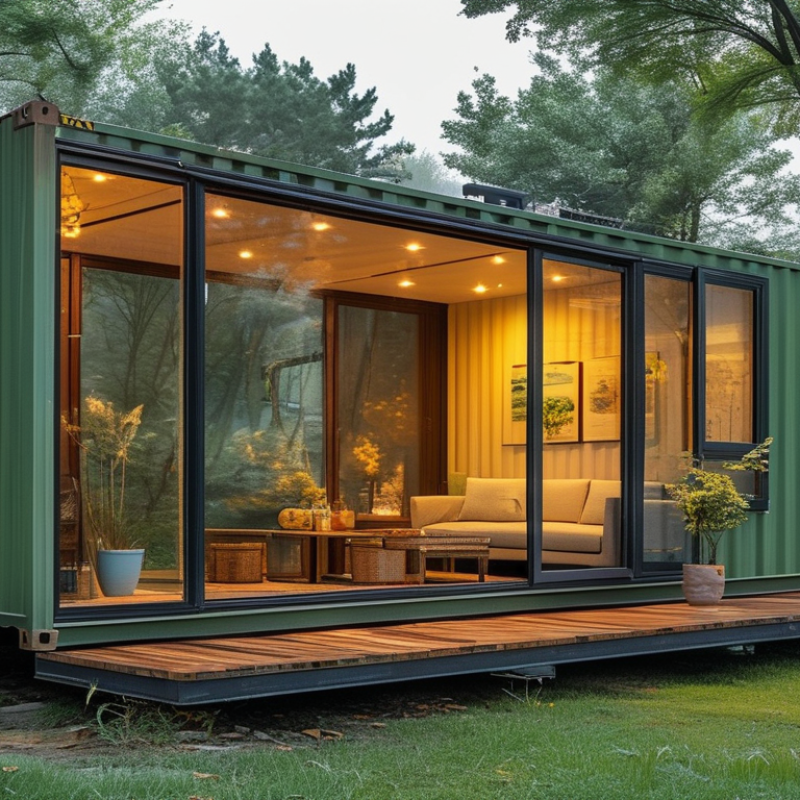
Are Container Houses Suitable for Long Term Living?

Benefits of Container Houses for Long Term Living

Container houses have emerged as a viable option for long-term living, gaining popularity for several reasons. One notable benefit is their sustainability. Many industry reports suggest that using recycled shipping containers can reduce construction waste by 75%. This aligns with the growing focus on eco-friendly building practices.

Cost-effectiveness is another significant advantage. A study by the National Association of Home Builders indicated that container homes can be up to 30% less expensive than traditional homes. They often require fewer materials and less labor, making them a more affordable option. Additionally, their modular design allows for easier expansion in the future.

However, living in a container home isn’t without challenges. Insulation can be an issue, as metal containers might trap heat in summer and cold in winter. Homeowners need to invest in proper insulation for year-round comfort. Moreover, zoning laws can pose hurdles. Not all areas permit container homes, and this can limit options for potential buyers. These factors warrant careful consideration when evaluating container houses as a long-term living solution.

Are Container Houses Suitable for Long Term Living? - Benefits of Container Houses for Long Term Living

Feature Description Benefits for Long Term Living
Cost-Effectiveness Container houses often cost less to build than traditional homes. Affordable housing option for long-term residents.
Sustainability Made from recycled shipping containers, reducing waste. Environmentally friendly housing solution.
Durability Steel construction can withstand harsh weather and pests. Long-lasting and low maintenance over time.
Customization Flexible design possibilities for layouts and aesthetics. Personalized living spaces that meet individual needs.
Mobility Can be relocated easily if needed. Ideal for those who may need to move in the future.
Energy Efficiency Can be equipped with energy-efficient systems and insulation. Lower utility bills and carbon footprint.
Community Trends Growing movement towards tiny homes and container living. Sense of community and belonging among residents.

Challenges of Living in Container Houses Long Term

Container houses offer an intriguing alternative to traditional living spaces. However, living in a container home long-term presents unique challenges. Research shows that temperature regulation can be a significant issue. Metal containers conduct heat quickly, leading to extreme temperatures inside. A study by the Container Housing Initiative indicates that air conditioning may be necessary for nearly 75% of the year in certain climates.

Another concern is insulation. Many container homes lack proper insulation, which affects energy efficiency. According to the National Renewable Energy Laboratory, poorly insulated homes can increase heating and cooling costs by up to 40%. Investing in high-quality insulation is essential, but this can raise construction costs significantly.

Space also poses challenges. Standard shipping containers are narrow and may not accommodate larger families comfortably. Customizing a container home can lead to unexpected expenses and design hurdles. Many owners have reported the need for careful planning to maximize the limited space. Addressing these issues is crucial for anyone considering a long-term investment in container living.

Design Considerations for Permanent Container Homes

When considering container houses for long-term living, design plays a critical role. The initial appeal lies in their affordability and unique aesthetic. However, it’s vital to think about insulation and climate control. Container walls can conduct heat and cold. Proper insulation materials can enhance comfort and energy efficiency. Choosing the right system is often challenged by space constraints.

Another significant factor is plumbing and electrical systems. Retrofitting these systems into a container can be complex. Proper planning is necessary to avoid costly mistakes. Accessibility is another concern. The design should accommodate future needs, such as mobility or age-related changes. Creating flexible spaces can help adapt to lifestyle changes.

Ventilation is crucial for container homes. Many overlook this detail, leading to issues like condensation and mold. Using windows and appropriate ventilation systems can mitigate these problems. Furthermore, outdoor spaces can enhance livability and connection to nature. Failing to consider these aspects may lead to dissatisfaction. Long-term planning can transform container living from a temporary solution into a sustainable lifestyle.

Sustainability and Environmental Impact of Container Living

Container houses offer an intriguing approach to sustainable living. Made from repurposed shipping containers, they reduce waste and promote recycling. Each container can significantly decrease the resources needed to build a traditional home. The design potential is immense, allowing for creativity while minimizing the ecological footprint.

However, sustainability is multifaceted. While containers themselves are reusable, insulation and ventilation can pose challenges. Many containers compromise energy efficiency if not well-designed. This can lead to higher heating and cooling costs, directly impacting the environment. Moreover, the durability of container homes may raise questions over time. Rust and structural issues could emerge, requiring maintenance that could offset their green benefits.

Environmentally, the optimal location for container homes is crucial. Placing them in flood-prone or ecologically sensitive areas can be harmful. It’s essential to consider the land's existing ecosystem and potential disturbances. Container living remains a valuable exploration into sustainable architecture, but it demands critical examination of its long-term viability and environmental impact. This balanced perspective is vital for anyone considering this lifestyle.

Cost Analysis of Container Houses for Extended Residency

Container houses have gained popularity for their affordability and eco-friendliness. However, a deeper cost analysis reveals more complexities. The initial investment is often lower than traditional homes, but hidden costs can arise. For instance, insulating a container properly requires significant expenditure. Additionally, local regulations can introduce unexpected fees.

Maintenance is another critical factor in long-term living. Container houses need proper rust treatment and waterproofing. Over time, these can become costly if neglected. Energy efficiency should also be considered. While some containers can be retrofitted with solar panels, the upfront costs may deter some buyers.

While container homes offer unique benefits, the long-term expenses can vary widely. Potential owners must weigh the savings against ongoing costs. Understanding these factors is crucial for making informed decisions. Without careful planning, the dream of a budget-friendly home can quickly shift into a financial burden.

Cost Analysis of Container Houses for Extended Residency

FAQS

: What is a key benefit of container houses?

: Container houses promote sustainability by using recycled materials, reducing construction waste significantly.

How much can container homes save compared to traditional houses?

They can be up to 30% cheaper due to fewer materials and labor requirements.

What is a common challenge with temperature in container homes?

Extreme temperatures can occur, requiring air conditioning for comfort in many climates.

Why is insulation important in container houses?

Poor insulation can lead to increased heating and cooling costs, affecting energy efficiency.

What should buyers be aware of regarding space in container homes?

Standard containers can be narrow and may not suit larger families without customization.

Are there hidden costs associated with container houses?

Yes, expenses for insulation, local fees, and maintenance can add up over time.

What kind of maintenance do container houses require?

Regular rust treatment and waterproofing are essential to avoid costly repairs later.

Can container houses be retrofitted with solar panels?

Yes, but the upfront costs for retrofitting can be a deterrent for some buyers.

How can careful planning impact container home living?

Without it, potential savings can turn into unexpected financial burdens.

Is container living a suitable option for everyone?

Not necessarily; zoning laws and personal needs can limit the appeal of container living.

Conclusion

The article "Are Container Houses Suitable for Long Term Living?" explores the feasibility of using shipping containers as permanent residences. It highlights the benefits of container houses, such as their affordability, mobility, and unique design potential. However, challenges such as insulation, space limitations, and local zoning regulations are discussed, emphasizing the need for careful planning and design considerations to ensure comfort and functionality in long-term living situations.

Additionally, the article examines the sustainability and environmental impact of container homes, suggesting that they can be an eco-friendly alternative to traditional housing if designed appropriately. A cost analysis reveals that while initial expenses may vary, container houses can offer a cost-effective solution for extended residency. Ultimately, the article provides insights into whether container houses are indeed suitable for long term living, encouraging potential homeowners to weigh both benefits and challenges.

Amelia

Amelia

Amelia is a seasoned marketing professional with a wealth of expertise in our company’s core offerings. With an unwavering passion for driving growth and innovation, she plays a pivotal role in shaping our marketing strategies and enhancing brand visibility. A key aspect of her responsibilities......