Container houses have gained significant traction globally. Their rise sparks an important question: why are container houses becoming popular? Industry expert, Dr. Emily Chen, notes, "Container homes offer an innovative solution for affordable housing." This sentiment echoes in many discussions surrounding modern living.
As urban areas face rising housing costs, container homes emerge as a viable alternative. These structures are often eco-friendly, utilizing repurposed materials. However, the appeal is not without challenges. Some locations have zoning regulations that complicate approvals. Yet, the innovative design and portability of container houses continue to attract interest.
Quality and safety are essential in this evolving market. Buyers must consider insulation and structural integrity. Some reported experiences reveal that not all container homes meet initial expectations. Despite this, the allure of a unique, sustainable lifestyle remains strong. As more people seek economical housing solutions, the question persists, why are container houses becoming popular?
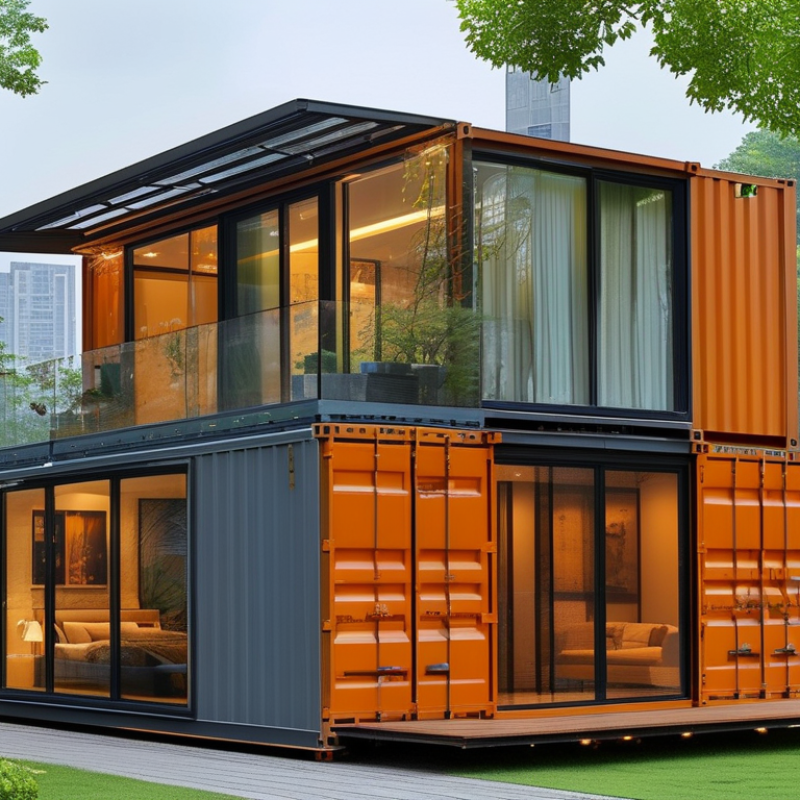
The Rise of Container Houses: A Global Trend in Housing Solutions
Container houses have gained significant traction as a viable housing solution worldwide. A report from the World Economic Forum indicates that the global market for modular homes, which includes container houses, is expected to reach USD 130 billion by 2025. These homes are not only affordable but also offer sustainability benefits. This appeals to a growing population that prioritizes eco-friendly living.
In many urban areas, traditional housing is becoming increasingly unaffordable. Container houses provide a unique solution, utilizing repurposed materials. They can be constructed in a fraction of the time required for conventional homes. According to industry data, building a container home can take about three to six months, compared to the year it typically takes for standard construction. However, issues like insulation and plumbing must be carefully managed in these homes, reflecting the challenges of using such materials.
The aesthetics of container houses also attract individuals looking for innovative designs. From sleek minimalist styles to vibrant colors, the possibilities are diverse. Notably, some local governments are hesitant to embrace these structures fully. Zoning regulations and building codes can sometimes hinder their development. Despite these challenges, container houses continue to capture interest, reflecting a shift toward new, adaptable living spaces in our rapidly changing world.
Cost Efficiency of Container Homes Compared to Traditional Housing Models
Container homes offer a cost-effective alternative to traditional housing. These structures are often made from recycled shipping containers, which reduces material costs significantly. Building with containers can be up to 30% cheaper than conventional construction. This affordability attracts young professionals and families looking for budget-friendly options in housing.
Moreover, container houses require less time to build. Many can be completed in a few weeks. This speed helps buyers save on labor costs and interest payments. However, there are challenges. Not all areas allow container homes. Building codes can vary greatly, creating roadblocks for homeowners.
Some individuals worry about insulation and long-term durability. While containers are sturdy, they may need additional treatment for extreme weather. Creativity plays a role in maximizing space and aesthetics. Many container home designs come with unique features, but customization can raise prices, diminishing initial savings. With careful planning and research, container homes can effectively balance cost efficiency and comfort.
Why Are Container Houses Becoming Popular Worldwide? - Cost Efficiency of Container Homes Compared to Traditional Housing Models
| Housing Type |
Average Cost (per sq. ft.) |
Construction Time (months) |
Sustainability Rating (1-10) |
Durability (years) |
| Container Home |
$100 |
3-6 |
8 |
25+ |
| Traditional Wooden House |
$200 |
6-12 |
5 |
30 |
| Brick House |
$150 |
8-14 |
6 |
50 |
| Modular Home |
$120 |
4-8 |
7 |
40 |
Sustainability: Environmental Benefits of Using Shipping Containers for Housing
Container houses are gaining traction around the globe, primarily due to their sustainability. The use of shipping containers for housing can significantly reduce carbon footprints. A study from the Global Alliance for Sustainable Housing indicates that upcycling containers can lower energy consumption by up to 40% compared to traditional building methods. This reduction is crucial in combating climate change.
Building with containers promotes recycling. Over 600,000 shipping containers go unused annually, which creates waste. Utilizing these containers as housing reduces landfill contributions. According to the Environmental Protection Agency (EPA), this practice can help save approximately 90% of the energy used in creating new building materials.
Tips: When considering a container home, think about insulation and utilities. Proper insulation can enhance energy efficiency and comfort. Ensure you check local building codes, as regulations vary widely. Re-evaluating designs for better space utilization can also improve living conditions in these unique homes.
While container houses present significant benefits, there are challenges. They may not fit in every neighborhood due to aesthetics or zoning laws. Additionally, modifications can be complex and costly. Understanding these aspects is crucial for a successful transition to container living.
Flexibility and Customization: Adapting Container Houses to Various Needs
Container houses have gained traction globally due to their
flexibility and customization potential. They can be tailored for various uses. Reports indicate that the global market for
container homes is expected to grow at a compound annual growth rate (CAGR) of 5.5%
from 2021 to 2028. This growth reflects a rising interest in alternative housing solutions.
The adaptability of container houses makes them appealing. They serve as homes, offices, and even retail spaces.
Modular designs allow easy alteration, catering to individual needs. Some developers mention that costs can be reduced
by up to 30% compared to traditional construction methods.
However, this isn't without challenges. Sourcing containers can be inconsistent, leading to supply chain issues.
Despite their advantages, potential buyers must consider insulation
and environmental impact. Containers conduct heat and cold easily,
which can affect energy efficiency. Furthermore, not all regions welcome container homes.
Zoning laws can complicate their installation. Brainstorming solutions and
addressing these challenges can enhance future designs, pushing the industry forward.
Urbanization and Space Constraints: Why Container Homes Are Ideal for Cities
Urban areas are expanding rapidly. By 2050, around 68% of the world's population is projected to live in cities, according to the United Nations. This growth leads to significant space constraints. Traditional housing options often fall short when accommodating increasing populations. Container houses are emerging as a viable solution within this context.
Container homes utilize repurposed shipping containers. They are an innovative approach to addressing urban housing shortages. Research indicates that constructing a container home can be 30-50% cheaper than traditional homes. These structures are modular and can be stacked or arranged creatively. This flexibility allows for efficient use of limited space in dense urban environments.
However, there are challenges. Not everyone is familiar with the concept of living in a container. Zoning laws may restrict their use. In some regions, building permits can be difficult to obtain. While container homes offer a promising solution, awareness and regulatory hurdles remain. Detailed studies and pilot projects could illuminate their potential benefits.
Container Houses Popularity Over the Years
As urbanization increases and space constraints become more significant in cities, container homes are gaining popularity. The above chart illustrates the growing number of container houses built globally from 2018 to 2023, reflecting a trend toward more innovative and sustainable housing solutions.
FAQS
: Container homes are cost-effective and can be cheaper than traditional housing. They offer affordability for many buyers.
Building with containers can be up to 30% less expensive than conventional construction methods.
Many container homes can be completed in just a few weeks, saving time and money.
Buyers may encounter zoning laws, building codes, and insulation concerns that complicate construction.
Yes, they can be tailored for various uses, such as homes or offices, but customization may increase costs.
Containers can conduct heat and cold easily, so additional insulation may be necessary for energy efficiency.
Yes, the market is expected to grow at a compound annual growth rate of 5.5% from 2021 to 2028.
Absolutely! They can function as offices, retail spaces, or other structures, showcasing their flexibility.
Supply chain issues for containers may arise, and not all areas allow these types of homes.
Careful planning and addressing insulation and customization will help balance cost and comfort effectively.
Conclusion
Container houses are becoming popular worldwide due to their cost efficiency, sustainability, and adaptability to urban environments. As urbanization leads to increased space constraints, these homes offer a practical alternative to traditional housing models. The affordability of container homes makes them accessible to a broader demographic, while the environmental benefits of repurposing shipping containers contribute to a more sustainable approach to living.
Furthermore, the flexibility and customization options available for container houses allow individuals to tailor their living spaces to meet diverse needs. This versatility, combined with the growing emphasis on eco-friendly living, highlights why container houses are becoming popular. They represent an innovative solution to modern housing challenges, making them an appealing choice for many around the globe.

 BYT Homes