Container homes have gained popularity as an innovative housing solution. However, the question remains: are container homes energy efficient? According to architect and sustainable design expert Dr. Emily Greene, “Container homes can be efficient, but it depends on design and insulation.”
Many factors influence the energy efficiency of these homes. A well-insulated container can drastically reduce heating and cooling costs. Unfortunately, improper design might lead to higher energy usage. Certain containers may also have thermal bridging issues, which can compromise energy efficiency.
People often overlook the impact of location and climate. Containers in warmer areas might require additional cooling solutions. On the other hand, those in cooler climates may benefit from passive solar design. In both cases, careful planning is crucial. The challenge lies in balancing aesthetics, functionality, and sustainability. Ultimately, understanding the nuances of energy efficiency in container homes is vital for those considering this modern living option.
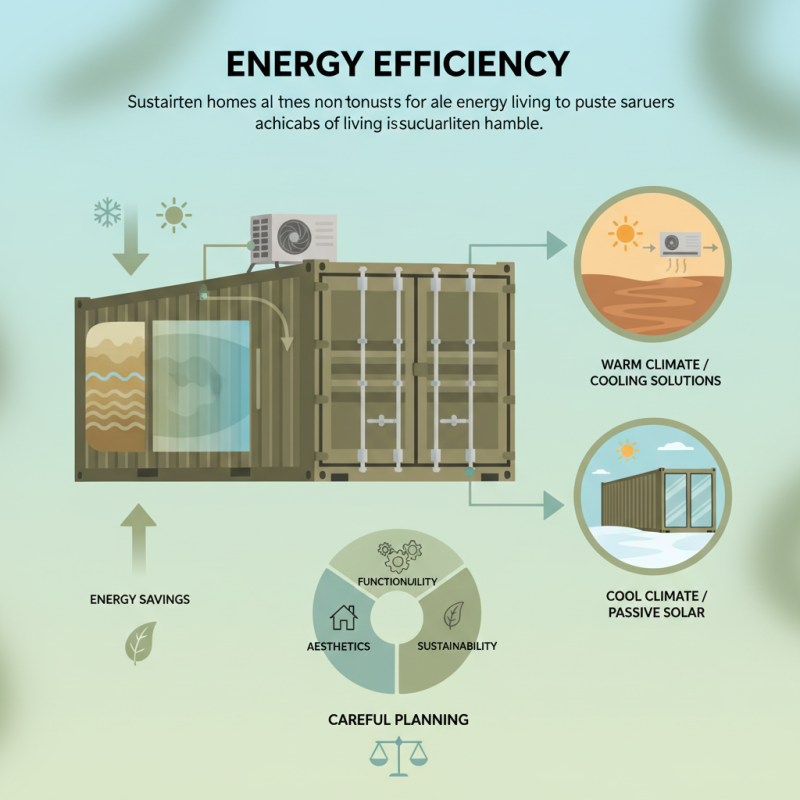
Container homes have emerged as a popular alternative for sustainable living. Their energy efficiency largely stems from the materials used and innovative design strategies. According to the U.S. Department of Energy, homes with properly insulated metal exteriors can reduce energy consumption by up to 30%. Insulation in container homes is crucial, yet many designs often overlook it, leading to higher heating and cooling costs.
Efficient energy use is further enhanced by integrating renewable energy sources. Solar panels are an excellent addition, helping homeowners lower their energy bills significantly. A study by the National Renewable Energy Laboratory shows that solar installations can yield savings of around 50% on electricity costs. However, not all container homes leverage this potential. Some designs neglect optimal placement for solar gain, which can hinder overall efficiency.
Water conservation is another important element of energy efficiency in container homes. Rainwater harvesting can reduce dependency on municipal water systems. However, the implementation is inconsistent; some homeowners fail to adopt these systems. As container homes continue to evolve, addressing these gaps in design and lifestyle choices can lead to greater sustainability benefits and energy savings.
Container homes have gained momentum in recent years. Statistics show that the global market for container housing is projected to grow by over 6% annually until 2025. This surge reflects a shift in housing preferences. People are increasingly looking for affordable and sustainable living solutions. Container homes are at the forefront of addressing these concerns.
One appealing aspect of container homes is their potential for energy efficiency. According to research, these homes can reduce energy costs by up to 50% compared to traditional houses. Their design allows for better insulation and reduced energy loss. This aspect is crucial as energy consumption continues to rise globally. However, there are challenges to consider. Some designs may not maximize natural light or cross-ventilation, which affects heating and cooling efficiency.
Moreover, the structural integrity of container homes can be a concern. While steel containers are durable, modifications can weaken their overall strength. Buyers must be cautious when selecting design options. Sustainable living should indeed focus on more than just the aesthetics of container homes. Builders and homeowners need to carefully evaluate the efficiency of their design choices.
Container homes offer unique energy efficiency features that align with sustainable living goals. Their compact design inherently limits energy consumption. Smaller spaces require less heating and cooling, minimizing energy use. Metal exteriors reflect sunlight, helping to keep interiors cooler in the summer. This reduces reliance on air conditioning systems.
To enhance energy efficiency, consider using high-quality insulation materials. Insulation helps maintain consistent temperatures throughout the year. Using recycled or eco-friendly materials further contributes to sustainability. Install energy-efficient appliances and LED lighting. These choices reduce energy consumption, leading to lower utility bills.
When designing a container home, think about solar panel installation. Solar energy is a renewable source that can power your home effectively. Rainwater harvesting systems are also beneficial. These systems reduce reliance on municipal water, promoting self-sufficiency. Ultimately, while container homes have great potential for energy efficiency, careful planning is essential. Each decision impacts the overall effectiveness of the design.
Container homes are gaining attention for their potential energy efficiency. A study by the U.S. Department of Energy suggests that these homes can reduce energy consumption by 30% compared to traditional houses. This efficiency, however, largely depends on design and insulation quality. Many container homes utilize recycled materials, which can lessen their overall carbon footprint.
On the other hand, traditional homes often face challenges with energy loss. According to the Energy Information Administration, nearly 40% of U.S. energy consumption is attributed to residential buildings. Insulation methods used in traditional houses may not always be optimized. This leads to increased heating and cooling demands, which container homes typically mitigate through innovative designs and better thermal performance.
Despite the advantages, container homes are not without their flaws. In colder climates, the metal structure can lead to heat retention issues. This underscores the need for careful planning when it comes to insulating container homes. While they are often more sustainable, every design must be critiqued to ensure energy efficiency is maximized.
| Home Type | Average Energy Consumption (kWh/year) | Heating Costs ($/year) | Cooling Costs ($/year) | Estimated CO2 Emissions (tons/year) |
|---|---|---|---|---|
| Container Home | 10,000 | 400 | 300 | 3.5 |
| Traditional House | 15,000 | 600 | 500 | 5.0 |
When considering container homes for sustainable living, insulation and materials play crucial roles in energy efficiency. Well-insulated containers can prevent heat loss in winter and reduce cooling needs in summer. The right insulation not only regulates temperature but also minimizes energy consumption. Common choices include spray foam, rigid foam boards, and cellulose. Each has unique properties that impact effectiveness.
Choosing sustainable materials is equally vital. Recycled and eco-friendly options reduce the carbon footprint. For walls and floors, materials like bamboo or reclaimed wood are not only attractive but durable. High-performance windows can further enhance energy efficiency, preventing drafts and conserving energy.
**Tips:** Select insulation with high R-values to maximize effectiveness. Consider installing reflective roofs to combat heat absorption. Regularly check for gaps or wear in insulation; even small openings can significantly affect energy efficiency.
Container homes are gaining popularity as a sustainable living option.
Energy-efficient designs in real-world scenarios demonstrate this potential.
For instance, a study conducted by the U.S. Department of Energy found that
modular homes, including container constructions, can reduce energy consumption by up to 30% compared to traditional homes.
In one case study from a container home in Oregon, the owners utilized solar panels to power their daily energy needs.
They managed to achieve a 60% reduction in electricity bills. This innovative approach enhances the home's value and
contributes positively to the environment. However, the initial investment for sustainable features can be significant. Many homeowners struggle with this
upfront cost, even though long-term savings are evident.
Another example is a community of container homes in Texas, designed with thermal insulation and energy-efficient appliances.
This community has reported reduced heating and cooling costs by about 40%. Yet, challenges remain, such as local zoning laws and building codes that may complicate these projects.
Adopting container homes requires careful planning and community engagement to overcome potential obstacles.
Energy efficiency is achievable, but it often demands significant effort and commitment from homeowners.
re container homes energy efficient?
Key factors include insulation quality, renewable energy sources, and natural light exposure.
Solar panels can cut electricity bills by around 50%. However, their placement matters for optimal efficiency.
Yes, it can reduce reliance on municipal water systems. However, not all homeowners use these systems consistently.
Some designs may lack natural light or proper ventilation, affecting heating and cooling efficiency.
Modifications can weaken the structural integrity, so careful design choices are essential.
Definitely, many seek affordable and sustainable housing options, driving their popularity.
Yes, if designed with energy efficiency and water conservation in mind.
Yes, inconsistent designs and lifestyle choices can limit their sustainability benefits.
Homeowners must evaluate both aesthetics and efficiency to ensure a sustainable choice.
Container homes are an innovative housing solution that has gained popularity as a sustainable living option. This article explores whether container homes are energy efficient, highlighting their key features and advantages over traditional housing. With the growing emphasis on sustainability, these homes often incorporate advanced insulation and eco-friendly materials that significantly enhance their energy performance.
A comparative analysis reveals that container homes can consume less energy than conventional houses, largely due to their compact design and use of sustainable building practices. Case studies of real-world examples demonstrate how proper insulation and the selection of energy-efficient materials contribute to the overall energy savings of container homes. Ultimately, the findings suggest that container homes are energy efficient for sustainable living, making them an attractive option for eco-conscious individuals.

BYT Homes