Container homes have gained popularity for their innovative design and affordability. However, potential buyers must ask themselves: what are common problems with container homes? Understanding these issues is crucial before making a purchase.
Many container homes face challenges related to insulation. Poor insulation can lead to extreme temperatures inside the home. This can make living conditions uncomfortable. Structural integrity is another concern. Containers are built to withstand shipping, not to be permanent residences. Modifications may compromise their strength.
Additionally, moisture-related issues often arise. Containers are prone to rust and mold if not properly treated. Homeowners should be aware of potential legal and zoning restrictions. Not all areas permit container homes, which can complicate the building process. Being informed about these common problems will guide prospective buyers in making better decisions.
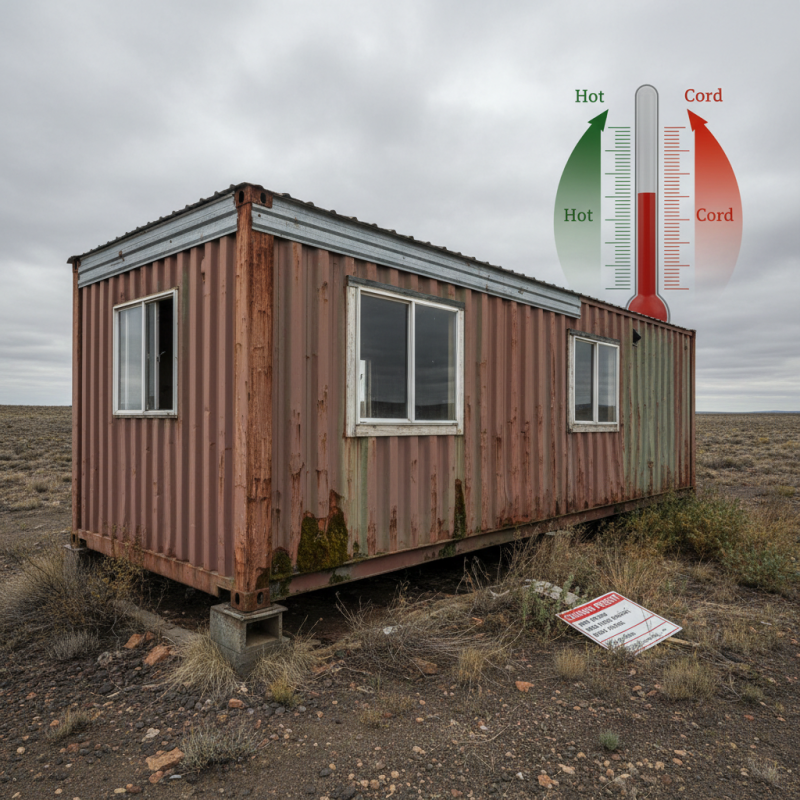
Container homes offer unique design and sustainability. However, they come with structural issues worth discussing. One common problem is rust. The metal can corrode over time, especially in humid areas. Proper sealing and regular maintenance can help mitigate this issue. Inspect surfaces periodically. Address rust early to prevent further deterioration.
Another structural concern is insulation. Many container homes struggle with temperature regulation. Metal conducts heat and cold, making them less energy-efficient. Investing in quality insulation materials is essential. Consider using spray foam or insulated panels. These can improve comfort and reduce energy costs significantly.
Lastly, container homes may face foundation problems. Settling can lead to uneven surfaces and structural stress. Use a solid foundation, like concrete piers, to ensure stability. This adds costs upfront but saves headaches later. Regularly check for shifts or cracks. Keeping an eye on these details can preserve the home’s integrity over time.
Insulating a container home can be quite tricky. The metal walls conduct heat easily. In colder climates, this can lead to discomfort. Without proper insulation, the interior can become unbearably cold. In hot weather, metal can amplify the heat inside. Finding an effective solution is essential for comfortable living.
One common solution is spray foam insulation. This material provides excellent thermal resistance. It fills gaps and creates a seal, minimizing air leaks. However, applying spray foam can be a messy process. It requires careful installation to avoid overspray and ensure a good bond. A professional may be needed for best results.
Another option is using rigid foam panels. While they are easier to handle, they might not be as effective in eliminating air drafts. Additionally, they occupy more space compared to spray foam. This can be an important consideration in a compact living space. Reflecting on these options helps homeowners identify the best approach for their needs. Each choice has pros and cons, so weighing these factors is crucial for comfort and energy efficiency.
Ventilation is a critical aspect of container homes that often gets overlooked. Without proper airflow, humidity levels can skyrocket. Studies indicate that about 60% of moisture-related problems in container homes stem from inadequate ventilation. This causes not only discomfort but can also lead to mold growth. Black mold, which thrives in damp conditions, poses serious health risks.
In retrofitting container homes, many owners forget the importance of natural ventilation. A passive design can reduce reliance on mechanical systems, which are costly. Experts suggest incorporating operable windows or vents for better airflow. Additionally, cross-ventilation can help regulate indoor temperature. People frequently underestimate how stagnant air can trap heat. Avoiding this pitfall is essential for sustainable living.
The impact of poor ventilation goes beyond physical discomfort. It can affect emotional well-being too. Overly humid environments often lead to an increase in irritability. Moreover, the energy costs can rise dramatically if air conditioning units work overtime to cool the space. Engaging with these challenges is vital for those considering container living. A thoughtful approach to ventilation ensures a healthier and more efficient home.
Container homes have gained popularity for their unique design and eco-friendliness. However, potential legal and zoning restrictions can pose significant challenges. Many areas have strict regulations regarding the types of structures that can be built. These rules often depend on local zoning laws and building codes.
Homeowners considering container living must check their local regulations. Some jurisdictions may classify these homes as temporary structures, which might not meet permanent dwelling standards. It is essential to understand how these classifications can affect your project. Feelings of frustration may arise if you invest time and money, only to face opposition from local authorities.
In addition to zoning, permits are crucial. Securing the right permits involves navigating a complex maze of rules. Each region has its own requirements, sometimes leading to unexpected delays. It’s wise to consult professionals with experience in this field. Their insights can help you avoid common pitfalls. Container homes can be a dream for many, but the legal roadblocks can be daunting.
When considering container homes, budgeting is key. The initial cost of containers can be low, but expenses add up quickly. You might pay between $2,000 to $5,000 for a used container. However, renovations can significantly bump up your budget. Insulation, plumbing, and electrical work are essential but can be costly. It’s wise to set aside an additional 30% of your budget for unexpected expenses.
Designing a functional space is another challenge. Container homes often require creative layout solutions. You might need to compromise on space to fit your needs. For example, small kitchens or minimal storage can frustrate daily living. Additionally, local zoning laws can dictate design choices. Be prepared for possible complications in securing permits and meeting regulations. This can lead to costly delays and additional fees, stressing your budget even further.
In the end, a container home can provide a unique living experience. Yet, it's important to plan meticulously. Rushing into purchases without a detailed budget can lead to regrets. Thorough research and realistic budgeting will pave the way for a successful project.
| Problem | Description | Estimated Cost Impact | Mitigation Strategies |
|---|---|---|---|
| Insulation Issues | Container homes can suffer from poor insulation if not properly addressed, leading to temperature control problems. | $5,000 - $15,000 | Invest in quality insulation materials and hire professionals for installation. |
| Rust and Corrosion | Containers can rust over time if not treated, which can lead to structural issues. | $1,000 - $5,000 | Apply protective coatings and choose rust-resistant materials. |
| Building Codes and Permits | Different areas have varying regulations for container homes, which can complicate the building process. | $500 - $2,000 | Research local regulations thoroughly and consult with building professionals. |
| Limited Space | Space in containers can be limited, requiring innovative designs to maximize functionality. | N/A | Consider modular designs and multi-functional furniture. |
| Heating and Cooling | They may require specialized HVAC systems due to their unique structure. | $3,000 - $10,000 | Invest in efficient heating and cooling systems tailored for container homes. |
: A frequent problem is rust, especially in humid areas. Proper sealing and maintenance can combat this.
Regular inspections and addressing rust early are vital. This prevents deeper deterioration over time.
Container homes often struggle with temperature regulation due to metal walls conducting heat and cold.
Spray foam insulation offers great thermal resistance, while rigid foam panels are easier to handle but less effective.
Yes, applying spray foam can be messy. Professional installation ensures a better bond and minimizes overspray risks.
Though easier to manage, they allow air drafts and take up more space, affecting compact living setups.
Settling can cause uneven surfaces and stress on structures. A solid foundation is key for stability.
Concrete piers provide solid support, essential for preventing future issues, although they increase upfront costs.
When considering the question of "what are common problems with container homes," several key issues arise. Firstly, structural integrity can be a concern due to the need for proper reinforcement and modification of the steel structure to ensure safety and durability. Additionally, insulation poses challenges, as standard insulation methods may not be optimal for metal containers that experience extreme temperature fluctuations. Effective ventilation is also crucial; without it, container homes can suffer from moisture buildup, leading to potential mold problems.
Moreover, prospective container homeowners must navigate potential legal and zoning restrictions, which vary by location and can significantly impact project feasibility. Finally, cost considerations are paramount; while container homes can be marketed as affordable alternatives, hidden costs associated with conversions, foundations, and permits can quickly add up. Addressing these common problems is essential for a successful container home experience.

BYT Homes