Choosing a modular home can be an exciting journey. Many prospective homeowners wonder, "can modular homes be customized easily?" The answer is both straightforward and complex. Customization options abound but may come with certain limitations. Knowing the scope of changes is essential.
Modular homes offer flexibility in design. You can adjust layouts, choose materials, and incorporate personal touches. However, not all modifications fit every model. Understanding your home’s framework is crucial. For instance, adding extra rooms or altering foundation styles might complicate the process.
It’s important to approach customization thoughtfully. While it can be simple to choose colors and finishes, complex changes may require professional input. Consult with experts to avoid costly mistakes. Creativity can lead to unique designs, but be prepared for occasional setbacks. Research is key to navigating this journey effectively.
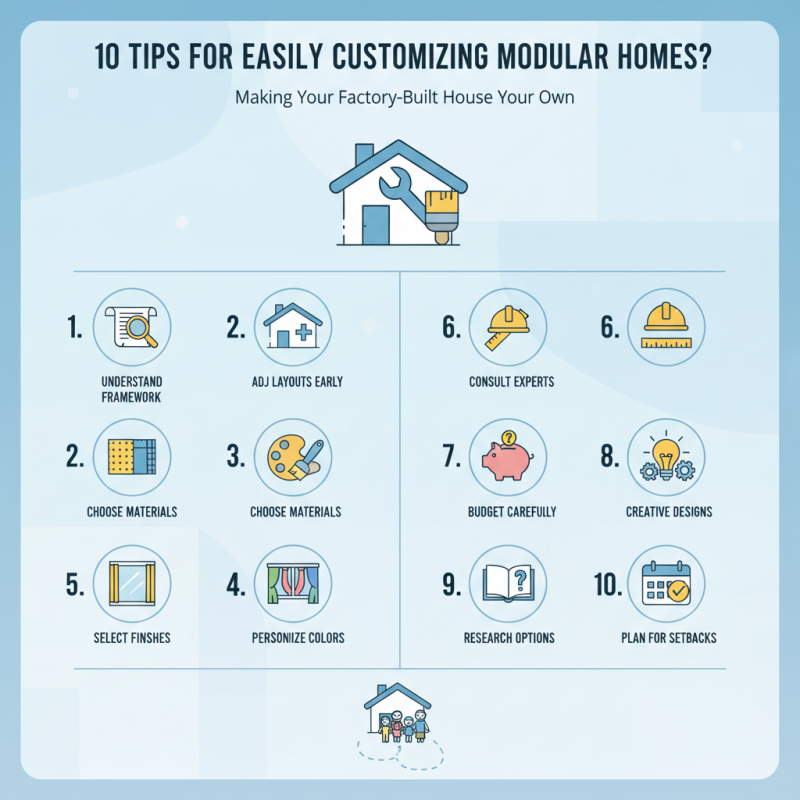
Modular homes are a unique solution for those seeking flexibility in their living spaces. These homes are built in sections at a factory and then transported to the site for assembly. The modular design allows for significant customization, making it easier to adapt a space to your needs. You can change the layout, include extra rooms, or choose specific materials. This potential for personalization is one of the main reasons more people are considering modular homes.
However, challenges often arise during the customization process. Homeowners may struggle with making choices that balance aesthetics and functionality. Furthermore, some might underestimate the costs associated with customization. It’s important to set a realistic budget that accounts for both expected and unexpected expenses. Relying on experienced professionals can help navigate these complexities. Seek advice from architects or builders familiar with modular trends. Their insights can lead to better decision-making, ensuring your home meets both your vision and practical requirements.
| Tip Number | Customization Aspect | Description |
|---|---|---|
| 1 | Floor Plans | Choose from various layouts to suit your lifestyle needs. |
| 2 | Exterior Finishes | Select different siding materials, colors, and designs. |
| 3 | Roof Styles | Opt for gable, hip, or flat roofs according to your preference. |
| 4 | Interior Layouts | Customize the arrangement of rooms for better flow and functionality. |
| 5 | Energy Efficiency | Incorporate energy-efficient windows, insulation, and appliances. |
| 6 | Kitchen and Bathroom Upgrades | Choose cabinetry, countertops, and fixtures that match your style. |
| 7 | Outdoor Spaces | Design porches, decks, and landscaping according to your needs. |
| 8 | Window Styles | Select different window shapes and sizes for aesthetics and light. |
| 9 | Smart Home Features | Incorporate technology for security, lighting, and climate control. |
| 10 | Customization Budget | Set a realistic budget for additional features and upgrades. |
: Modular homes are built in sections at a factory and then assembled on-site. They offer flexibility in living spaces.
Yes, you can customize the layout, add extra rooms, or choose specific materials to fit your needs.
Homeowners may find it hard to balance aesthetics with functionality. Costs can also exceed expectations.
Consider adding advanced insulation and energy-efficient appliances. Solar panels can also greatly reduce energy costs.
Initial costs for upgrades, like solar panels, can be high. Not all homeowners can afford these options right away.
Homes with outdoor living areas can increase property value by around 10%. They create inviting spaces for relaxation.
Adding a patio or deck with weather-resistant furniture can create comfortable areas. Incorporating greenery is also beneficial.
Use lattice screens or tall plants to create secluded spots. This transforms spaces into personal retreats.
Analyze the balance between upfront costs and long-term savings. Explore financing options to aid in decision-making.
Integrating outdoor and indoor spaces fosters a sense of community. This contributes to overall wellbeing and comfort in living.
Modular homes have gained popularity due to their flexibility and efficiency, leading many to wonder, "can modular homes be customized easily?" The answer is yes, as these homes offer a range of customization options that allow homeowners to tailor their living space according to personal preferences. From understanding the potential for design variations to selecting the right layout, the customization process begins with a clear vision of what suits your lifestyle.
Choosing materials and finishes plays a crucial role in achieving personalized aesthetics, while incorporating energy-efficient features can enhance sustainability. Furthermore, utilizing outdoor spaces can elevate the overall living experience, making a modular home not only functional but also a reflection of individual style. By following these tips, homeowners can effectively create a unique space that meets their needs and preferences.

 BYT Homes